Eves of Destruction host double header at Victoria Curling Club
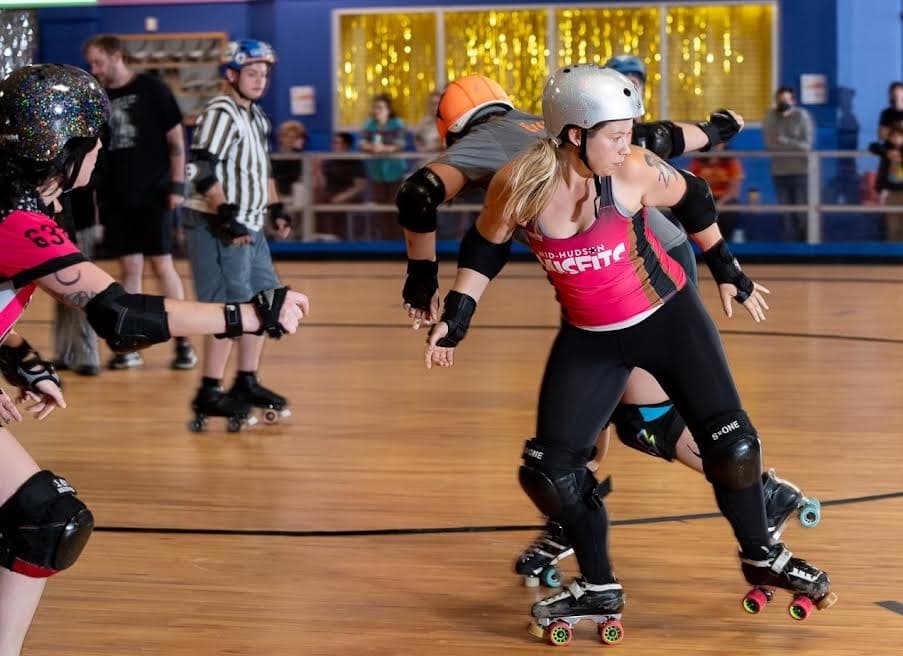
Rotten Apples Juniors Level 3, Southside Revolution, Margarita Villains and Team Divergence turned Victoria Curling Club into a two-bout endurance test built on hard hits and fast jams.
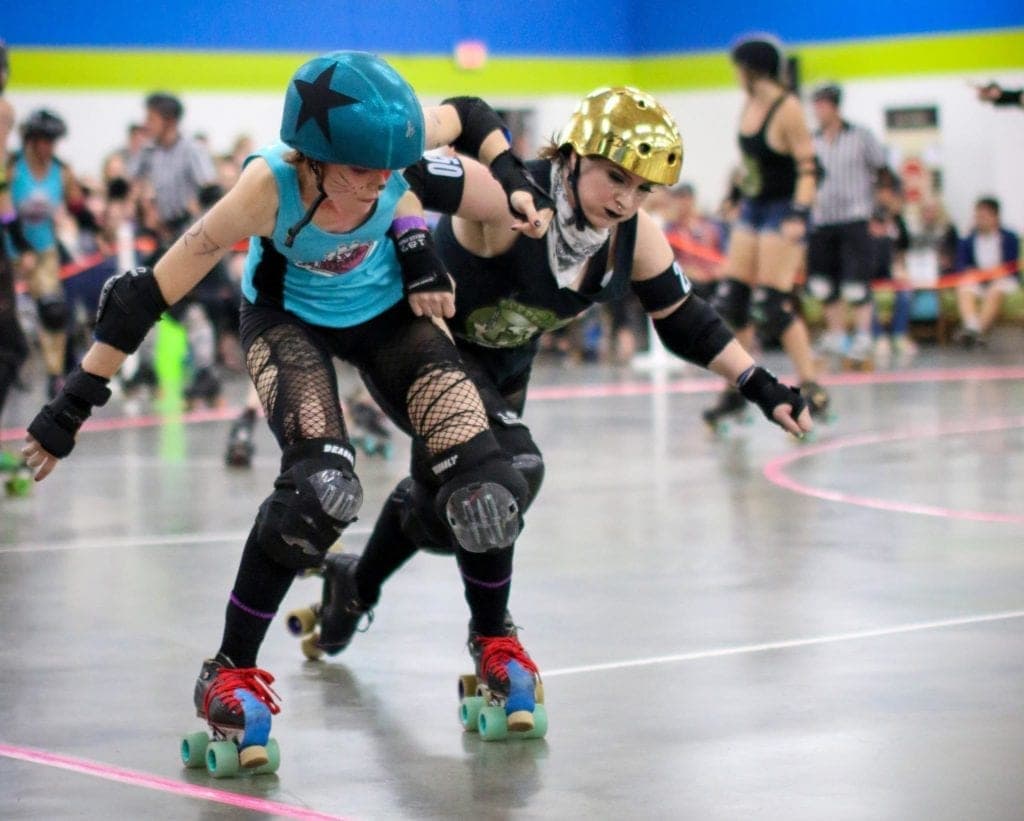
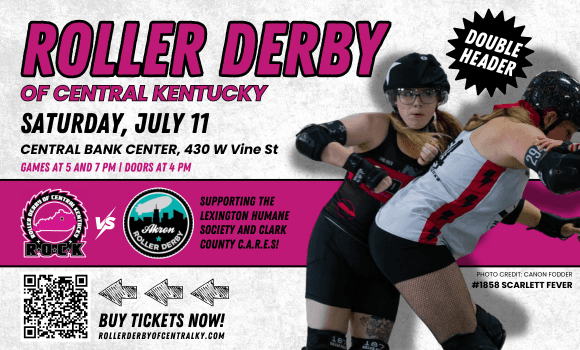
Two bouts, one venue, and nearly five hours of contact set the tone at Victoria Curling Club as Eves of Destruction staged a June 6 double header built for stamina as much as speed. The night ran from 5:00 p.m. to 9:30 p.m. at 1952 Quadra Street in Victoria, with Rotten Apples Juniors Level 3 facing Southside Revolution at 5:35 p.m. before Margarita Villains met Team Divergence at 7:30 p.m.
That format gave the crowd more than a single game window. It delivered a junior bout and an adult bout in the same evening, which is exactly why double headers hit differently in roller derby: the first game sets the pace, the second asks skaters to keep their legs under them after the hits have already started to pile up. Eves of Destruction framed the night as full-contact chaos, and the card backed that up with the kind of nonstop energy that forces roster management, bench discipline and quick recovery to matter as much as raw speed.
The access details matched the league’s effort to make the event feel open without losing the weight of a serious sporting night. General admission was $20 in advance and $25 at the door, with lower pricing for students and seniors and free entry for children 10 and under. The venue was wheelchair accessible, companion tickets were available for support workers, and fans had options ranging from paid parking in the Robins lot to free street parking nearby. BC Transit bus number 6 dropped riders directly in front of the arena, making the trip to the rink as straightforward as the schedule.

The evening also carried the weight of the league’s own history. Eves of Destruction identifies itself as a non-profit, volunteer-run, WFTDA-affiliated roller derby league in Victoria, and its roots stretch back to the Dead City Rollers practicing in parking lots in 2006. By 2007, the league says it was drawing a sold-out crowd at Eagle Ridge, a trajectory that places the June 6 double header inside a much longer arc of growth on Vancouver Island.
That history matters because a night like this is not just about one game or even one crowd. It is about a league that has grown into a major force in Western Canada while still selling derby in its purest form: bruising, fast, loud and built to test both depth on the track and patience in the stands.
This article was produced by Prism’s automated news system from verified source data, official records, and press releases, then run through automated quality and moderation checks before publishing. The system is built and supervised by the people who set the standards it runs under. Read our full AI policy.
Did this article answer your question?