Fort Wayne Roller Derby celebrates 20 years of community and inclusion
Fort Wayne Roller Derby’s 20-year run is a test of volunteer labor, open-gender inclusion and local fundraising. Its next chapter runs through new skaters, a junior program and an August training camp.
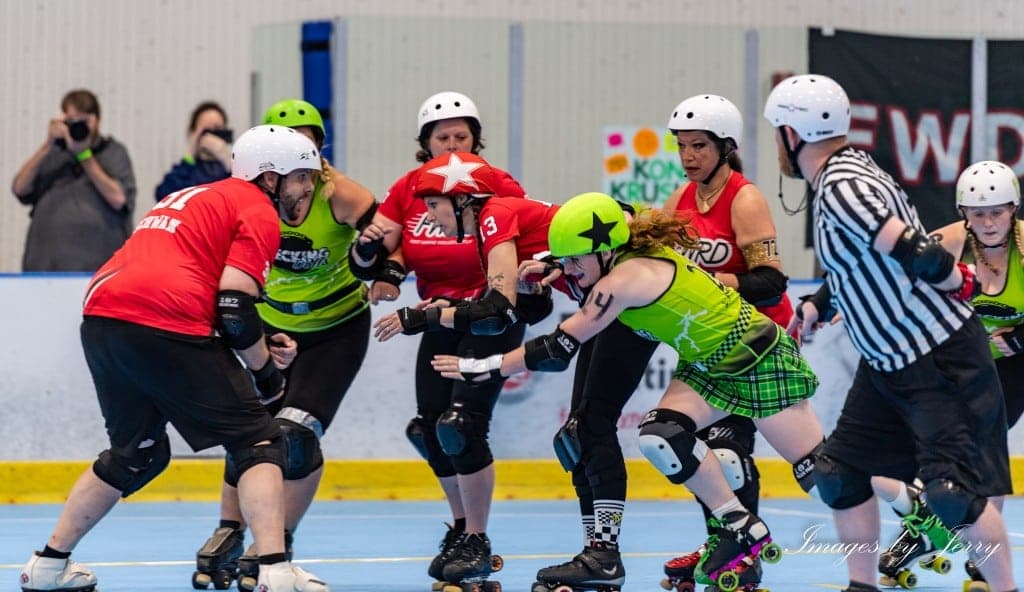
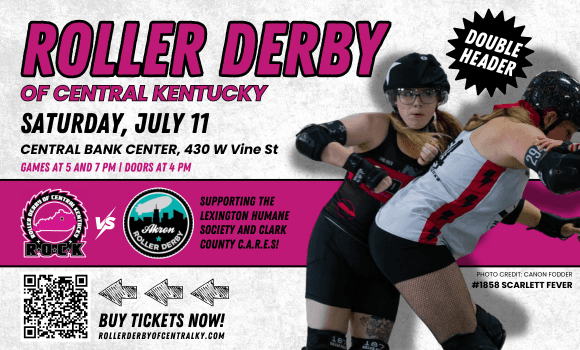
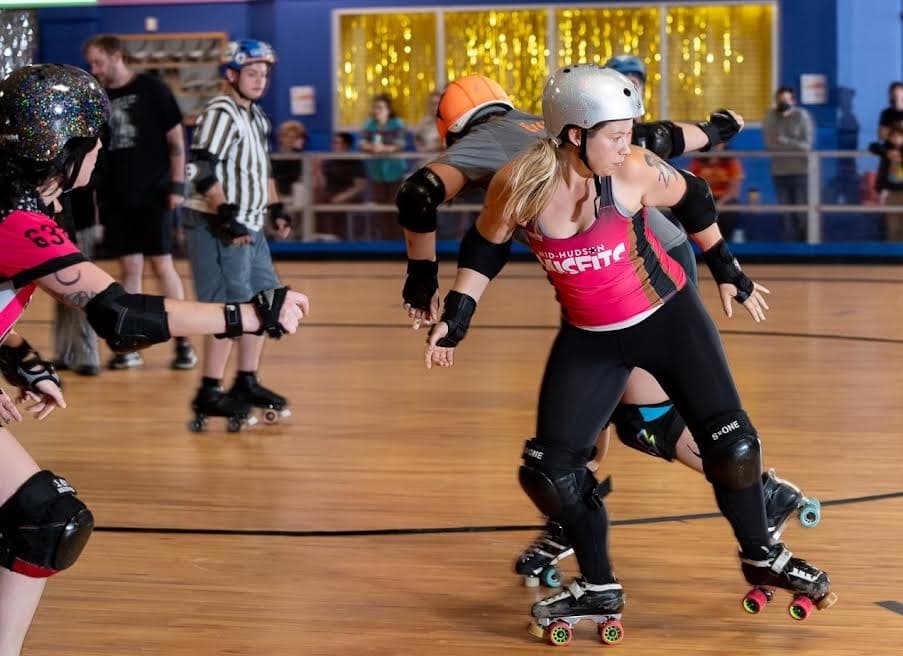
Fort Wayne Roller Derby’s 20-year run is less a nostalgia piece than a durability test. The league began playing in 2006, and it has survived by doing the work that keeps grassroots sports alive, building a volunteer base, widening who can belong, and making every bout matter to the city well beyond the final whistle.
Two decades built on volunteer labor
What keeps Fort Wayne Roller Derby standing is not a single star or a one-season spike in attention. It is the steady, unpaid labor of skaters and organizers who handle the work behind the scenes, from community outreach to event support and fundraising. Nicki Gunn, the league’s board president and community events coordinator, ties that longevity directly to the league’s openness, which has helped it stay relevant as Fort Wayne has changed around it.
That endurance matters in roller derby because the sport asks a lot from the people who run it. Teams need skaters, officials, volunteers, sponsors and a base of fans willing to show up repeatedly, not just once. Fort Wayne Roller Derby has managed that by treating the league as a shared project, one that depends on commitment off the track as much as contact on it.
A league that changed with its skaters
The league’s rebrand from Fort Wayne Derby Girls to Fort Wayne Roller Derby was not cosmetic. It was a public signal that the organization wanted to reflect open-gender membership more accurately, and that shift now defines how the league presents itself. Skaters who identify as men, women, LGBTQ and non-binary are part of the organization, giving the league a broader identity than the name it started with.
That change says a lot about roller derby in 2026. The sport still sells speed, hits and strategy, but its staying power often comes from being a place where inclusion is built into the structure rather than added later. Gunn’s view of the league’s endurance makes that clear: openness is not a side note for Fort Wayne, it is part of the reason the league has lasted two decades.
Game nights as a community market
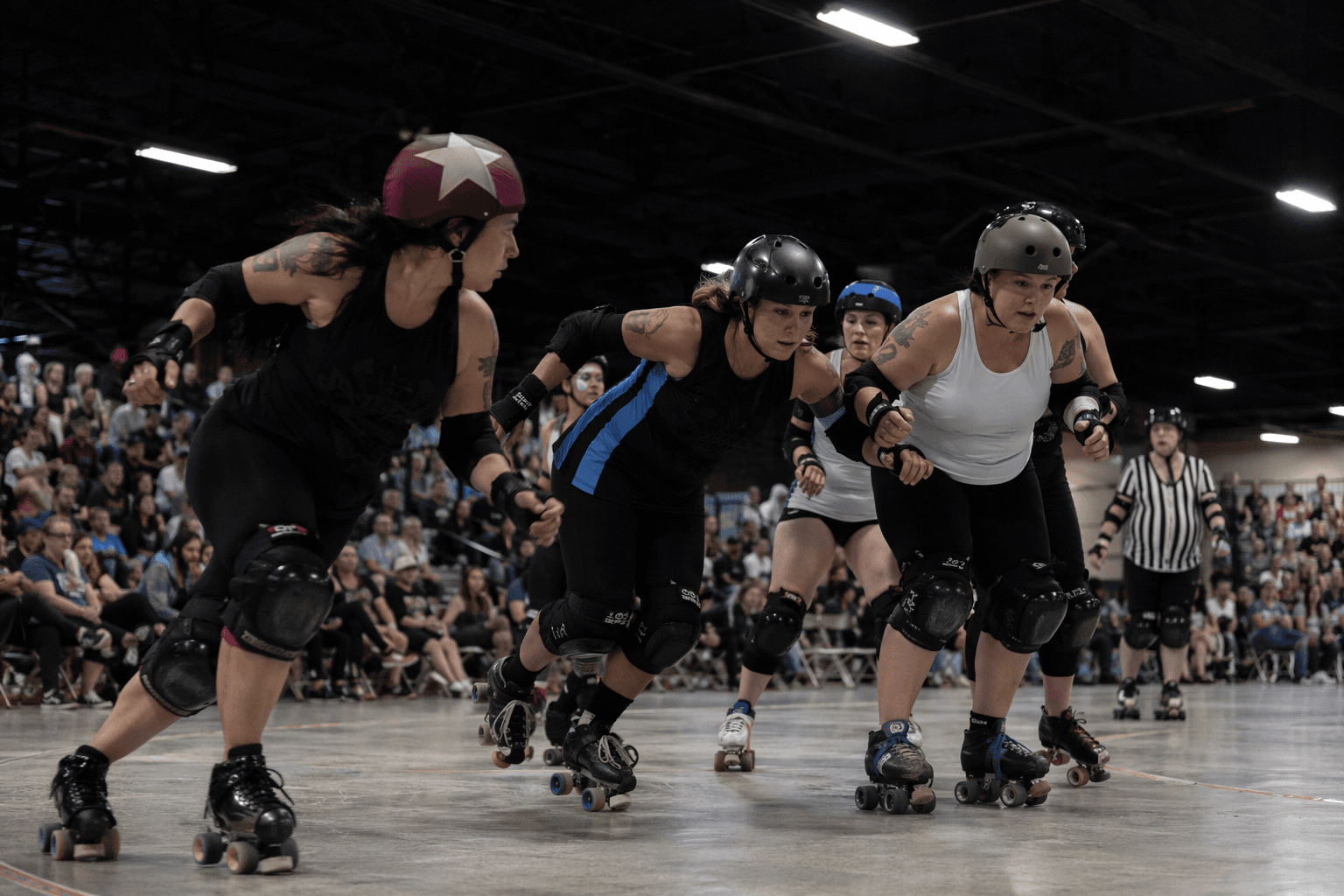
Fort Wayne Roller Derby’s value to the city extends well past the track because the league has built its nights around local commerce and local causes. It partners with charities, and this season its fundraising has centered on Food Not Bombs, a choice that gives the league’s fundraising a direct community impact. The model turns derby events into more than sporting dates; they become neighborhood gatherings where money, attention and support circulate locally.
That setup includes sponsor support, raffles, silent auctions and local vendors, all of which make the event feel like a small-scale marketplace built around the bout. In a city with plenty of sports options, that mix helps Fort Wayne stand out. It gives fans a reason to come for the contact sport and stay for the larger community network around it, while also channeling proceeds back into local causes.
For a grassroots league, that matters financially and culturally. Sponsorships and vendor tables help support operations, but they also reinforce the league’s identity as a civic institution rather than a one-off spectacle. In practice, derby night becomes one of the few places where entertainment, fundraising and local business all share the same floor.
Recruitment, juniors and the next generation
The league’s future depends on whether new skaters keep walking through the door, and Gunn says that has already happened this year. That influx is crucial in a sport where churn can be high and the pipeline has to be constantly replenished. Fort Wayne is not simply protecting a legacy; it is actively trying to grow one.
The league is also looking ahead with a training camp planned for August, a concrete sign that recruitment is not a passive hope but an organized process. That camp is part of how roller derby introduces newcomers to a sport that combines strategy, contact and showmanship in equal measure. It gives fresh skaters a way in, and it gives the league a way to turn curiosity into commitment.
The junior program strengthens that pipeline even further. Youth interest is not just a bonus for Fort Wayne Roller Derby, it is part of the league’s long-term infrastructure. By creating a path from junior skater to adult league member, Fort Wayne is building the kind of continuity many grassroots sports never manage to establish.
Why the sport still matters in Fort Wayne
Fort Wayne Roller Derby’s 20th anniversary shows why roller derby still has a place in American sports culture. The league has survived by combining competition with community, and by treating inclusion as a working principle rather than a slogan. That combination has helped it endure in a crowded sports market, where attention is expensive and time is limited.
The broader lesson is simple: roller derby lasts when people keep building it. In Fort Wayne, that means volunteers, vendors, junior skaters, sponsors and a leadership group that has made room for a wider range of identities on the roster. Two decades in, the league’s staying power says as much about the city around it as it does about the hits on the track.
This article was produced by Prism’s automated news system from verified source data, official records, and press releases, then run through automated quality and moderation checks before publishing. The system is built and supervised by the people who set the standards it runs under. Read our full AI policy.
Did this article answer your question?