How roller derby began as a 1930s endurance spectacle
Roller derby started as a 57,000-lap endurance grind in Chicago, then evolved into a scoring sport that kept the contact and ditched the endless slog.
Roller derby was never just a race. It began in Chicago in 1935 as a promoter’s answer to a country already hooked on skating, then became a bruising endurance spectacle built on exhaustion, spectacle, and cash prizes. What modern fans recognize as a fast, tactical contact sport still carries that original DNA, even if the old banked-rink marathon is long gone.
The original derby was a test of stamina, not just speed
Leo Seltzer built the first version after reading that more than 90 percent of Americans had roller-skated at least once, a ready-made audience for a skating spectacle. The earliest derby contests were multiday tournaments, usually with teams of two, often a man and a woman, taking turns skating continuously around a banked wooden track for cash prizes. Britannica places the sport’s birth in Chicago and notes the original format stretched to 57,000 laps.
That detail matters because it shows what derby was before it became a strategy sport: a survival contest wrapped in entertainment. The attraction was not subtle. Fans came for falls, pileups, and the sight of skaters trying to keep moving long after fatigue had turned every lap into a fight. Even then, derby sat inside a 1920s American appetite for prize-based spectacle, alongside boxing, bike racing, dance marathons, and flagpole sitting.
1938 is when derby found its edge
The decisive turn came in 1938, when Damon Runyon pushed Seltzer to emphasize violence and head-to-head conflict. The result was the point system that still defines the sport’s logic in a modernized form: pass an opponent, earn a point. That single rule changed derby from a pure endurance grind into a game of controlled aggression, where contact was no longer an accident of tired legs but part of the plan.
This is the hinge in derby history. The marathon format created the pain threshold; the new scoring system gave the pain a purpose. Headlocks, spinning teammates, and deliberate contact became part of the draw, and the sport stopped being just about who could keep skating the longest. It became about who could create space, absorb contact, and turn chaos into points.
What survived from the old show and what got cut
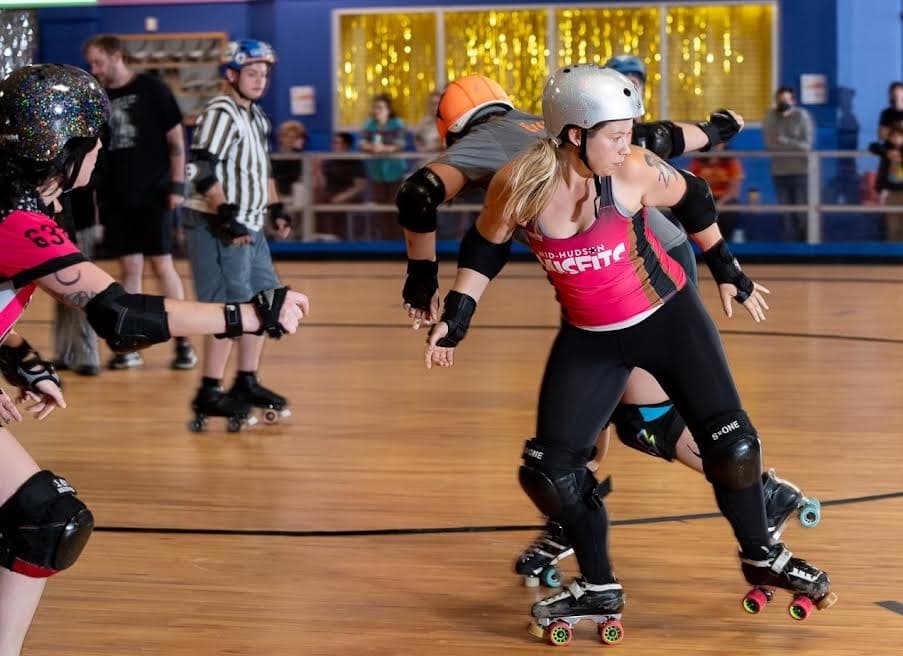
A lot of the original showmanship survived, even as the sport changed shape. Derby still rewards physicality, endurance, and the ability to stay composed when bodies collide and the pace spikes. It still thrives on visible drama, the kind of action a crowd can follow without a spreadsheet: the pack, the hit, the pass, the score.
What disappeared was the promoter-driven spectacle of endless laps for their own sake. The modern game no longer needs a banked rink, a multiday grind, or the old endurance-race gimmick to justify its existence. Instead, it kept the parts that made derby compelling and stripped away the parts that made it feel like punishment masquerading as sport. That is why today’s fans, even the ones who know the flat-track version cold, are still watching a descendant of a 1930s endurance stunt.

Why television loved it before the modern reboot
Derby’s rise was not just about the rink. Its mix of speed and mayhem, plus relatively low production costs, made it a natural fit for early television. The sport was popular enough that the National Roller Derby League playoffs sold out Madison Square Garden for a week in 1949, a level of demand that says plenty about how ready it was for the mass market.
That era explains derby’s old media logic: compact venue, constant motion, obvious conflict, easy-to-read outcomes. ABC was part of that early television growth, and derby fit the new medium because it looked dramatic even when you had no close-up replay, no advanced camera work, and no need for a sprawling broadcast setup. It was built to be seen.
The modern sport is a reinvention, not a clean break
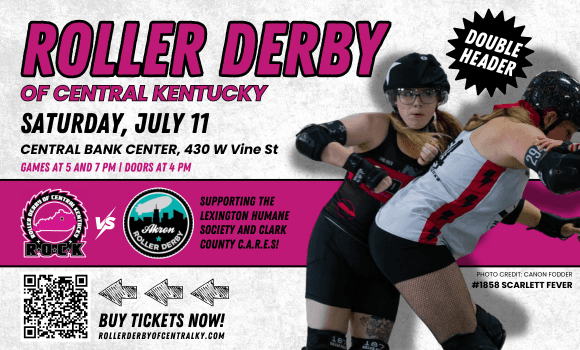
The version most fans know today emerged much later, after the old professional sport faded. Modern roller derby began in 2001 under Bad Girls Good Women Productions, and Texas Rollergirls formed in 2002 from 65 members after a split over management practices. That origin matters because it changed derby from a promoter-owned attraction into a grassroots sport with skaters shaping the culture themselves.
Smithsonian Folklife describes that revival as a rare case of a community rising from the ashes of a dead pro sport. The culture that came with it was different too: pun-laden nicknames, signature looks, and a strong emphasis on inclusivity. In other words, the revival did not just bring back the game. It changed who the game belonged to.
Why the origin story still matters to modern fans
If you only know roller derby as a fast, tactical, flat-track contact sport, you are seeing the refined version of something much more theatrical. The 1930s roots explain why derby still values stamina, aggression, and crowd-facing drama, even when the modern version is more strategic and skater-led than its promoter-era ancestor. The old spectacle gave derby its toughness; the revival gave it its identity.
That is the sport’s real through line. From Chicago’s 1935 endurance races to the 1938 point system, from Madison Square Garden in 1949 to the 2001 grassroots reboot, derby has survived by keeping the parts that make it feel alive and discarding the parts that only served the promoter.
This article was produced by Prism’s automated news system from verified source data, official records, and press releases, then run through automated quality and moderation checks before publishing. The system is built and supervised by the people who set the standards it runs under. Read our full AI policy.
Did this article answer your question?