Portland roller derby star highlights Pride, visibility and belonging
Portland roller derby uses Pride visibility to do more than symbolize inclusion. Rose City Rollers and one local star show how belonging changes team culture, safety, and who feels welcome to skate.
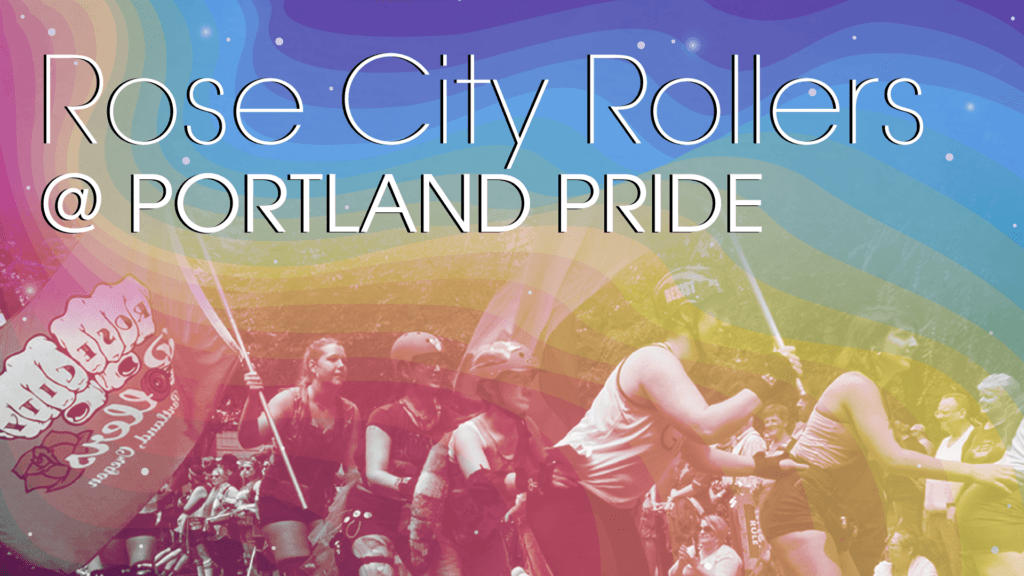
Portland roller derby turns Pride coverage into something practical: a skater visible on the track, in the locker room, and in the community. KOIN’s Pride-week segment centers that reality through Ally Osborne’s conversation with one local star whose presence carries passion, determination, and authenticity every time they compete.
Visibility that changes the room
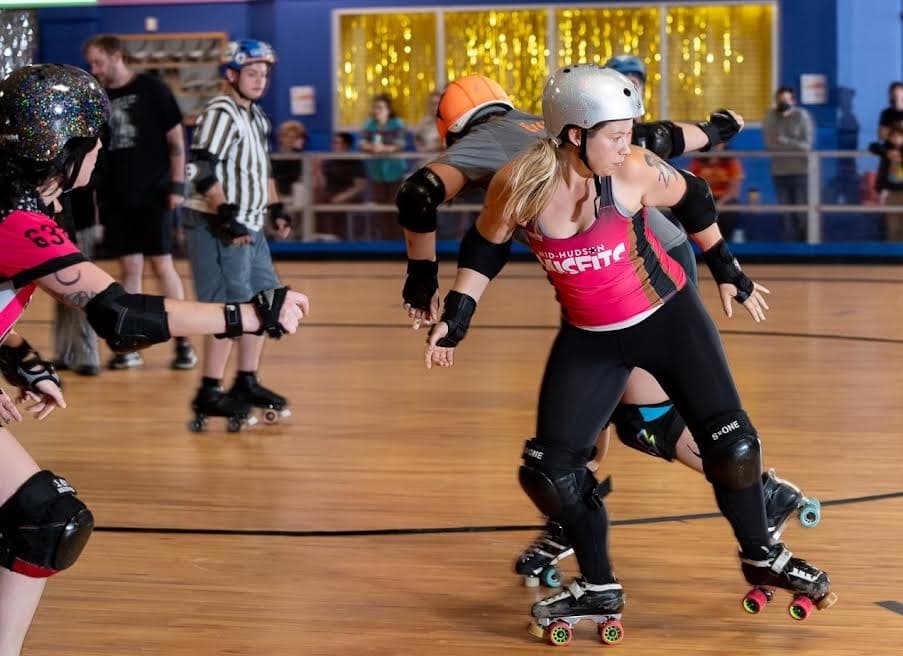
What makes this story resonate inside roller derby is that it treats visibility as an everyday force, not a seasonal gesture. The athlete at the center of KOIN’s feature is described as making an impact both on and off the track, which matters in a sport where confidence, identity, and contact all collide at once. In derby, being open about who you are can shape how a roster communicates, how a bench feels, and whether a skater thinks they belong before they ever lace up.
That is why the segment lands as more than a Pride profile. KOIN 6 and Portland’s CW framed the piece as part of a larger celebration of athletes pushing for equality in the locker room and beyond, and that framing fits the sport’s culture. Roller derby has long offered a rare collision-sport space where queer visibility is normalized rather than treated as an exception, and the Portland area continues to be one of the clearest examples of that tradition.
Why Rose City Rollers remains central to the story
Rose City Rollers sits at the center of Portland’s derby identity. Established in 2004, the league has grown into one of the largest roller derby leagues in the nation, and local coverage has long described Portland as a roller derby mecca. That history gives the Pride-week feature real depth, because it is not just about one athlete. It is about a city and a league that helped make queer inclusion part of the sport’s public identity.

The league’s stated mission makes that even clearer. Rose City Rollers says it exists to serve women, girls, and gender-expansive individuals and to help them realize their power on skates and off. Its inclusivity statement says it welcomes trans and gender-expansive athletes, regardless of pronouns or gender presentation, if they feel most comfortable playing women’s roller derby. In practice, that policy does more than expand a roster. It signals to skaters that identity is not a side issue to be managed away from the game. It is part of the culture that lets them compete.
That culture also reflects the broader vision laid out through the Women’s Flat Track Derby Association, which describes Rose City Rollers as aiming to train the best athletes and teams in the world while growing the sport locally and internationally and increasing access for members and fans alike. For a league with Portland roots, that combination of performance ambition and social openness is what gives the sport its edge. The message is simple: competitive seriousness and inclusion are not competing values here. They reinforce each other.
What the research says about belonging
A Portland State University study focused on Rose City Rollers found that the league’s openly queer environment functions as a haven for players looking for identity-affirming space. That finding helps explain why derby has remained such a potent Pride-week subject in Portland. The value of visibility is not abstract. It is measured in whether a skater feels safe enough to show up as themselves, whether teammates can build trust quickly, and whether younger players can imagine a place for their own identities in contact sport.
That sense of safety has broader consequences for team culture. A league that welcomes trans and gender-expansive athletes by policy is also setting expectations for how people behave in the locker room, on the bench, and in travel spaces. The result is a model of inclusion that is lived rather than announced. For local leagues, that distinction matters because belonging often starts with ordinary details: how a teammate is addressed, whether a newcomer feels watched or accepted, and whether the rink feels like a place to hide or a place to grow.

The Portland story also carries social significance beyond derby itself. When Pride coverage highlights a skater who brings authenticity to competition, it tells younger athletes that queer visibility does not have to wait for perfect conditions. It can be part of the sport right now, inside the same practices and hard hits that define the game. That is one reason roller derby continues to stand apart in the regional sports landscape. It gives athletes a public platform without asking them to split performance from identity.
Portland’s Pride infrastructure gives the story staying power
The broader civic backdrop matters too. Pride Northwest, which was founded in 1994, produces the annual Portland Pride Waterfront Festival and Parade, giving the city a long-running LGBTQ+ framework that predates this year’s media segment by decades. That history matters because it shows derby is not carrying this conversation alone. The sport is part of a larger Portland ecosystem in which community groups, media outlets, and local leagues have all helped make visibility durable.
That is why the KOIN feature feels like a snapshot of something bigger than one Pride-week segment. It connects the athlete’s on-track presence to league policy, to a city known for derby culture, and to a Pride organization that has been building public space since the 1990s. Together, those pieces show how a local sports story can become an argument for belonging that lasts all year.
For roller derby in Portland, visibility is not decoration. It is part of the competitive fabric. And as Rose City Rollers continues to present itself as a place where skaters can realize their power on skates and off, the league remains one of the clearest examples of how sport can normalize queer presence while still demanding speed, toughness, and commitment.
This article was produced by Prism’s automated news system from verified source data, official records, and press releases, then run through automated quality and moderation checks before publishing. The system is built and supervised by the people who set the standards it runs under. Read our full AI policy.
Did this article answer your question?