Roller derby’s rise, fall and rebirth from Chicago spectacle to sport
Chicago’s 1935 stunt became a flat-track sport after decades of decline, as skaters took control and built a global governing body.
Roller derby began as a Chicago spectacle built for crowds, not as the tidy, single-purpose sport many people imagine today. Leo Seltzer turned that idea into the Transcontinental Roller Derby at the Chicago Coliseum in 1935, and the version that now fills local flat tracks emerged only after the old pro show collapsed and skaters rebuilt the game from the ground up.
The Chicago origin story
Seltzer is credited with inventing roller derby during the Great Depression, when affordable entertainment had to work hard to hold an audience. Sports-history accounts tie his concept to endurance spectacles like dance marathons and walkathons, which rewarded stamina as much as speed and made pain, drama, and spectacle part of the draw. One account says he was also inspired by a Literary Digest claim that 93 percent of Americans had roller skated at some point in their lives, a reminder that the sport was imagined as something many people already recognized.
The launch story has the texture of Chicago business lore. Seltzer reportedly discussed the idea with regulars at Ricketts, a restaurant on Chicago’s Near North Side, before rolling the first version of the sport into the Chicago Coliseum. The original name, Transcontinental Roller Derby, captured the theatrical ambition of the project: a contest built to feel larger than the rink itself, with endurance and crowd appeal baked into the format from the start.
From spectacle to familiar fixture
The early derby was never just about who could skate fastest. It became a show in which athletic competition, showmanship, and recognizable personalities mattered together, and that mix helped it travel across mid-century American entertainment. The Smithsonian Center for Folklife and Cultural Heritage describes the sport as a cultural form that evolved over time, and that evolution is the reason modern derby looks so different from the televised version that older fans remember.
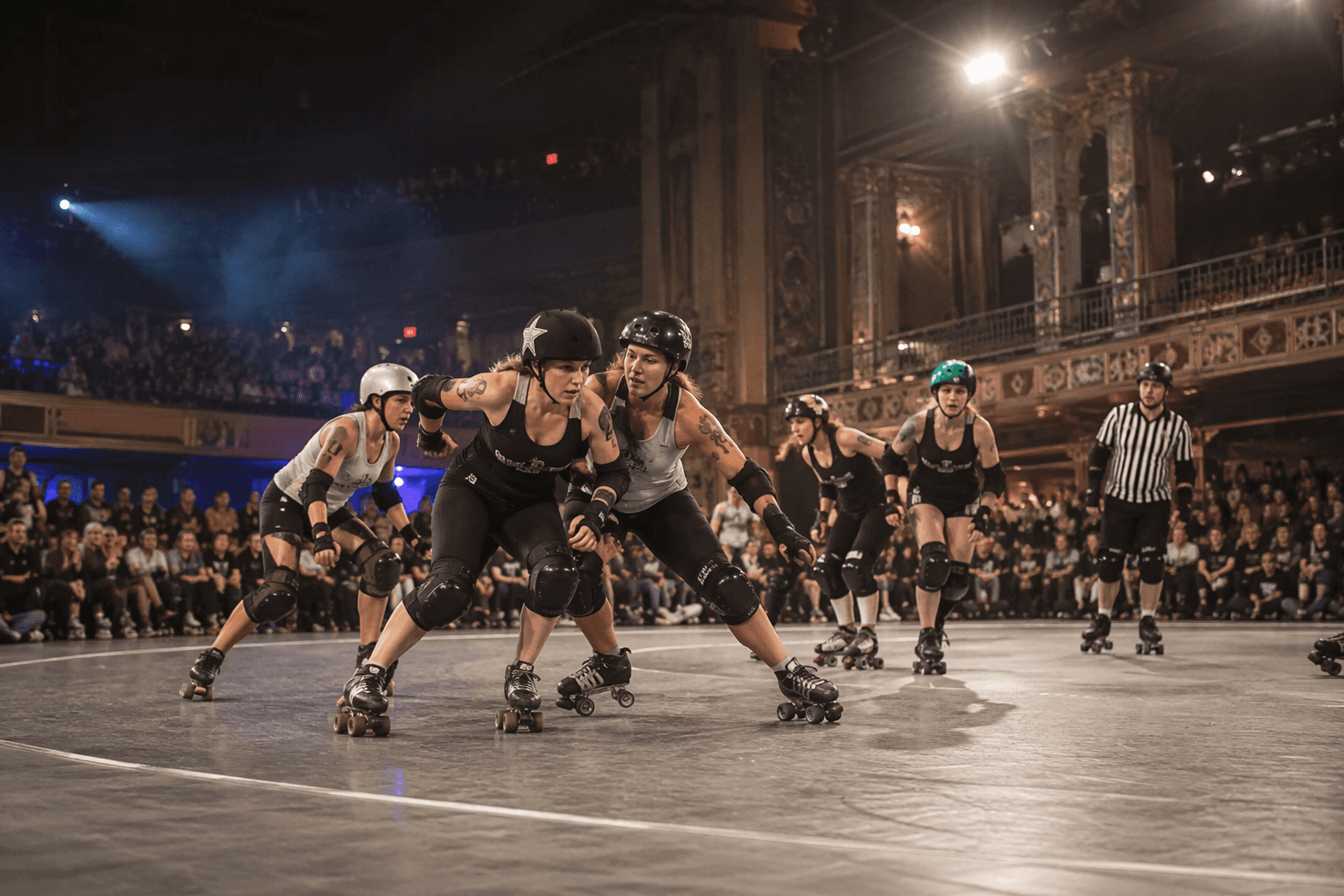
Women were central to that reinvention of identity. Roller derby became known for hard-hitting women’s competition and for skaters who developed distinct personas on and off the track, which gave the sport a community culture as well as a competitive one. The modern flat-track version is often linked to feminism and skater control, but those ideas grew out of a longer history in which derby repeatedly remade what counted as legitimacy.
The long fall of the old pro circuit
By 1969, the old roller derby had reached a late peak, but the decline was already setting in. The Smithsonian Folklife account says that by the mid-1970s it was mostly over, and Jerry Seltzer, Leo’s son, shut down the original operation. Leo Seltzer died in 1978, closing the chapter on the promoter who had built the sport as a show business product first and a competitive format second.
That collapse matters because it explains the myth that still hangs around the sport. The old pro derby was theatrical enough to look staged to outsiders, but its disappearance did not end the game. Instead, it cleared the ground for a new version with different priorities, different governance, and a different relationship between skaters and the people who ran the league.
How flat-track derby rebuilt the sport
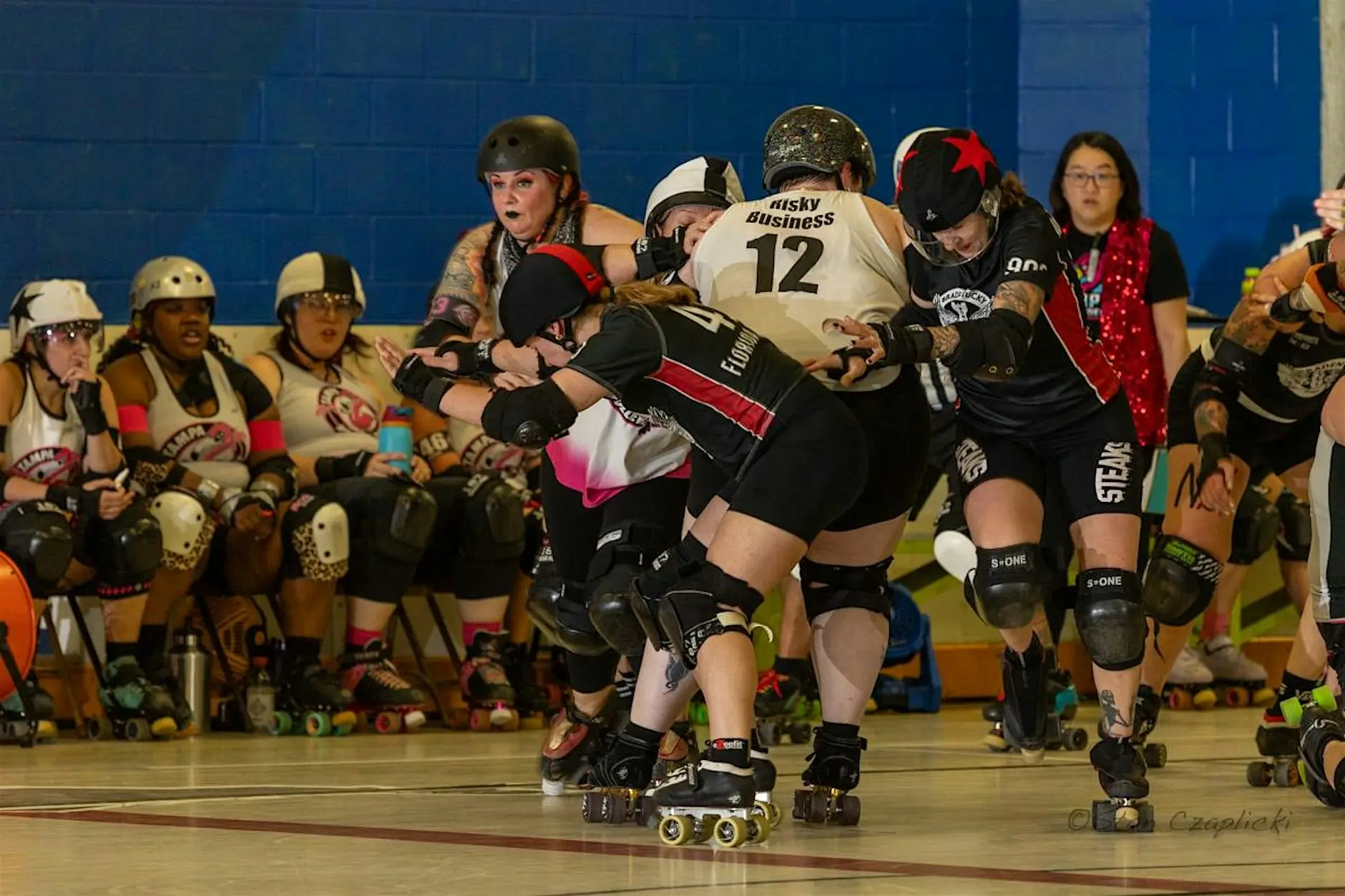
The modern revival took shape as flat-track roller derby, a format that was easier for local leagues to organize than the old banked-track spectacle. That portability changed everything. Instead of needing a specialized venue and a top-down entertainment apparatus, the sport could be played in more accessible spaces, which made it easier for communities to build their own leagues, rules, and identities around the game.
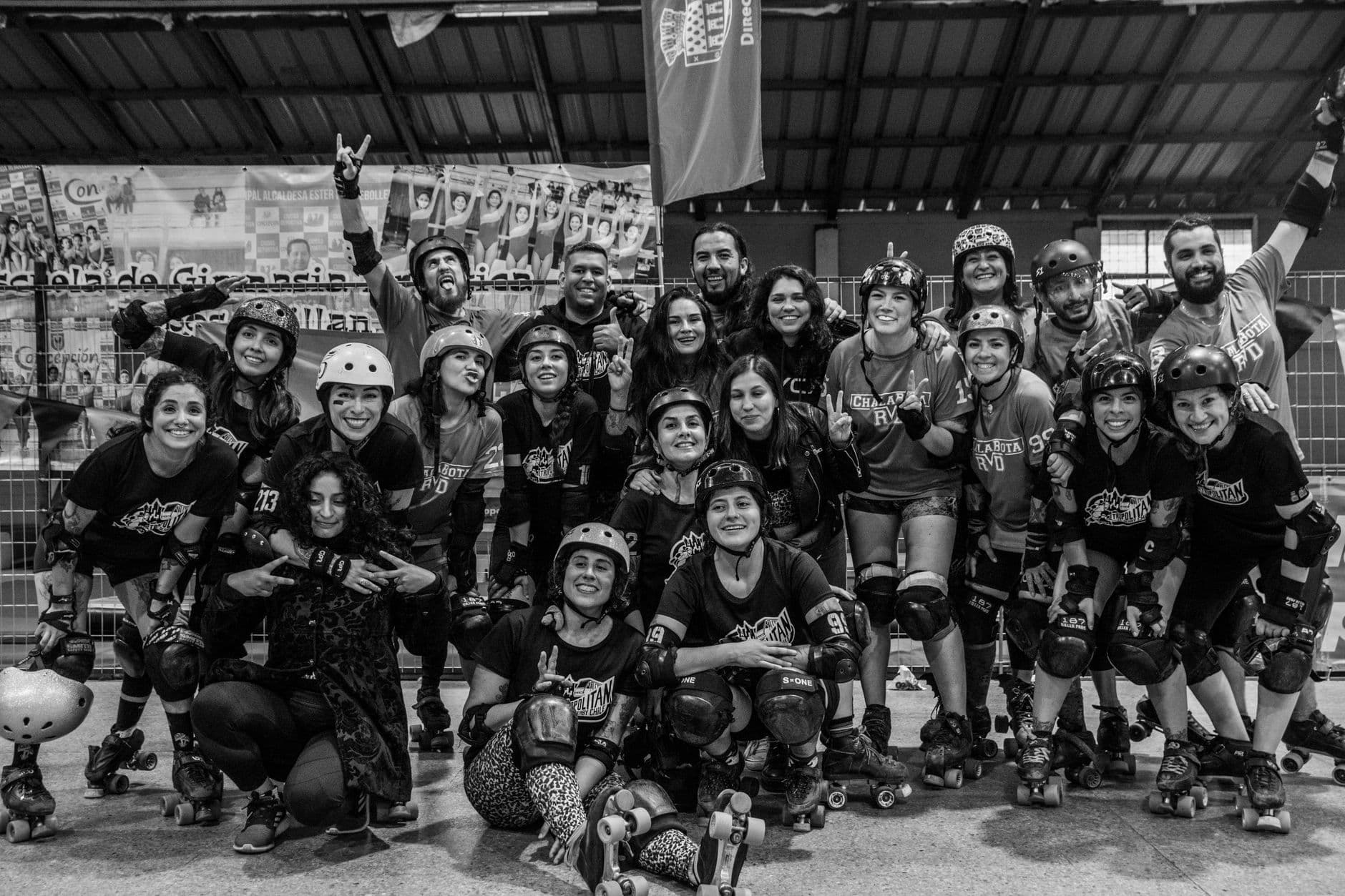
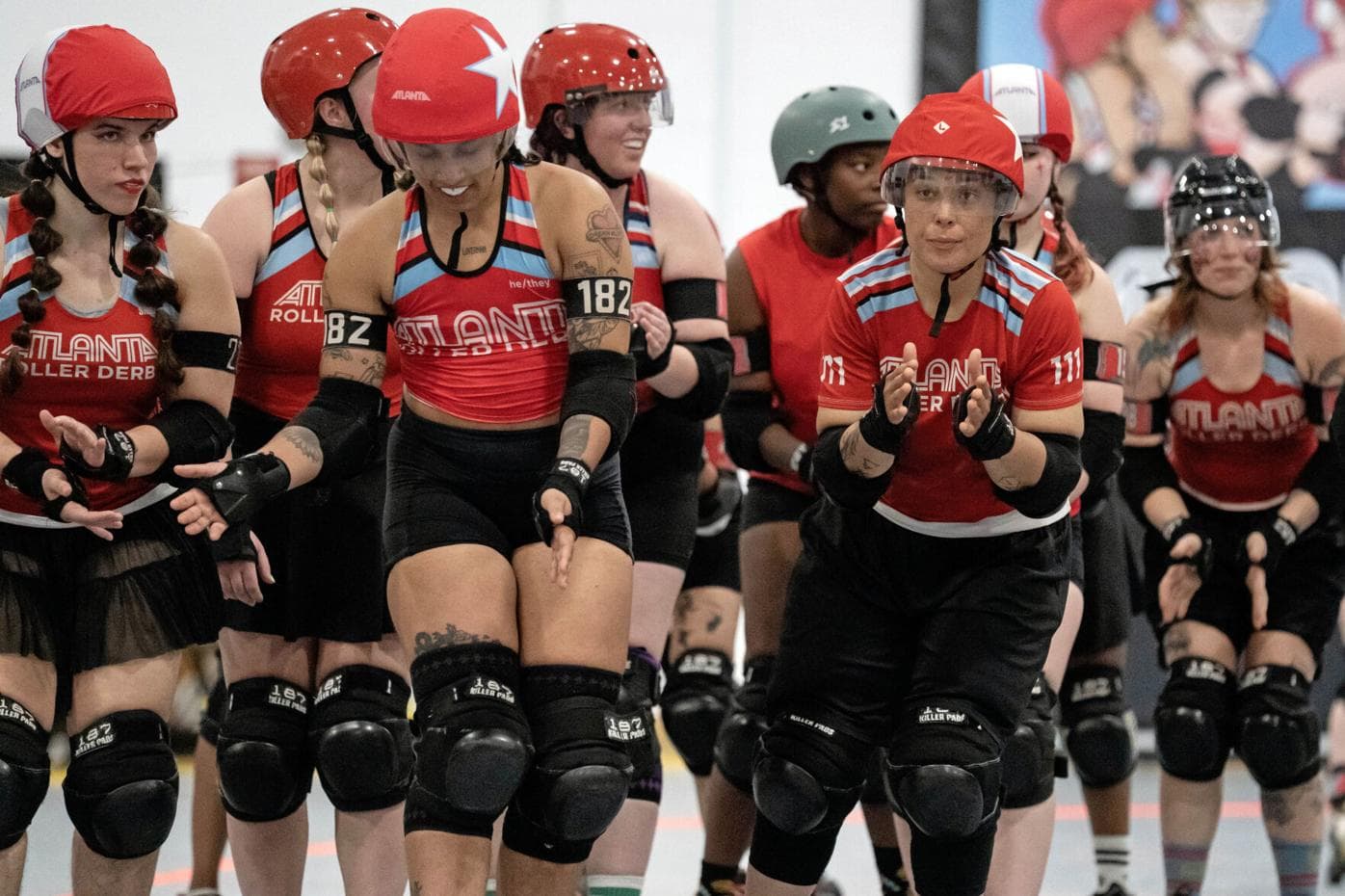
The Women’s Flat Track Derby Association, which began in 2004, became the clearest sign that the sport had shifted from a show into an organized, skater-led competition. WFTDA describes itself as the international governing body of women’s flat track roller derby, and it represents more than 400 member leagues on 6 continents. That scale matters because it shows the revival was not a nostalgia project with a few throwback teams, but an international infrastructure that gave the sport rules, governance, and legitimacy.
The scale of the rebound is easier to see against how small the sport was at the start of the modern era. Rocky Mountain Rollergirls’ history says there were only 14 roller derby teams in existence in 2004. In other words, the sport’s rebirth began from a tiny base and then spread fast enough to become a broad movement rather than a novelty act.
Why the modern version feels so different
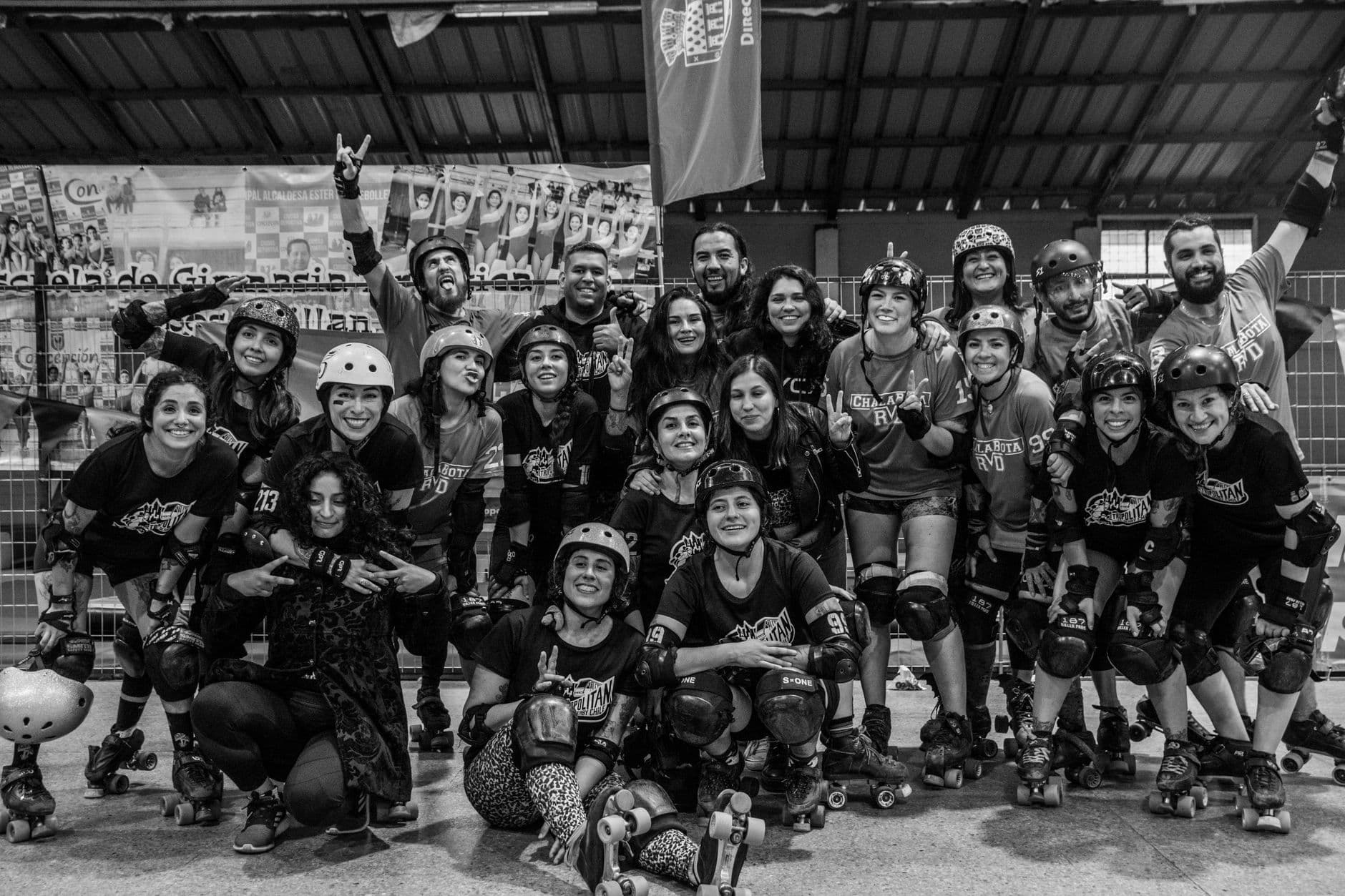
The old derby was a product of a promoter’s imagination; the modern version is a product of skaters’ collective ownership. That shift is why today’s leagues feel more like communities than touring attractions, with athletes, officials, and volunteers shaping how the sport runs and how it is seen. The game still has contact, speed, and a strong theatrical streak, but the center of gravity moved from the promoter to the participants.
That change also explains the sport’s cultural durability. Roller derby has lived more than one life, first as a Depression-era attraction, then as a mid-century entertainment machine, then as a near-vanished relic, and finally as a modern flat-track contact sport with its own international governance. The version many people play now was not preserved in amber from the old days; it was rebuilt after the old model faded, and that is why it still feels local, participatory, and alive.
This article was produced by Prism’s automated news system from verified source data, official records, and press releases, then run through automated quality and moderation checks before publishing. The system is built and supervised by the people who set the standards it runs under. Read our full AI policy.
Did this article answer your question?