State College roller derby introduces newcomers with beginner-friendly practice
Sam Durante’s first derby practice showed how SCAR lowers the barrier to entry, from skating basics to the Betty Fund and open recruitment nights.
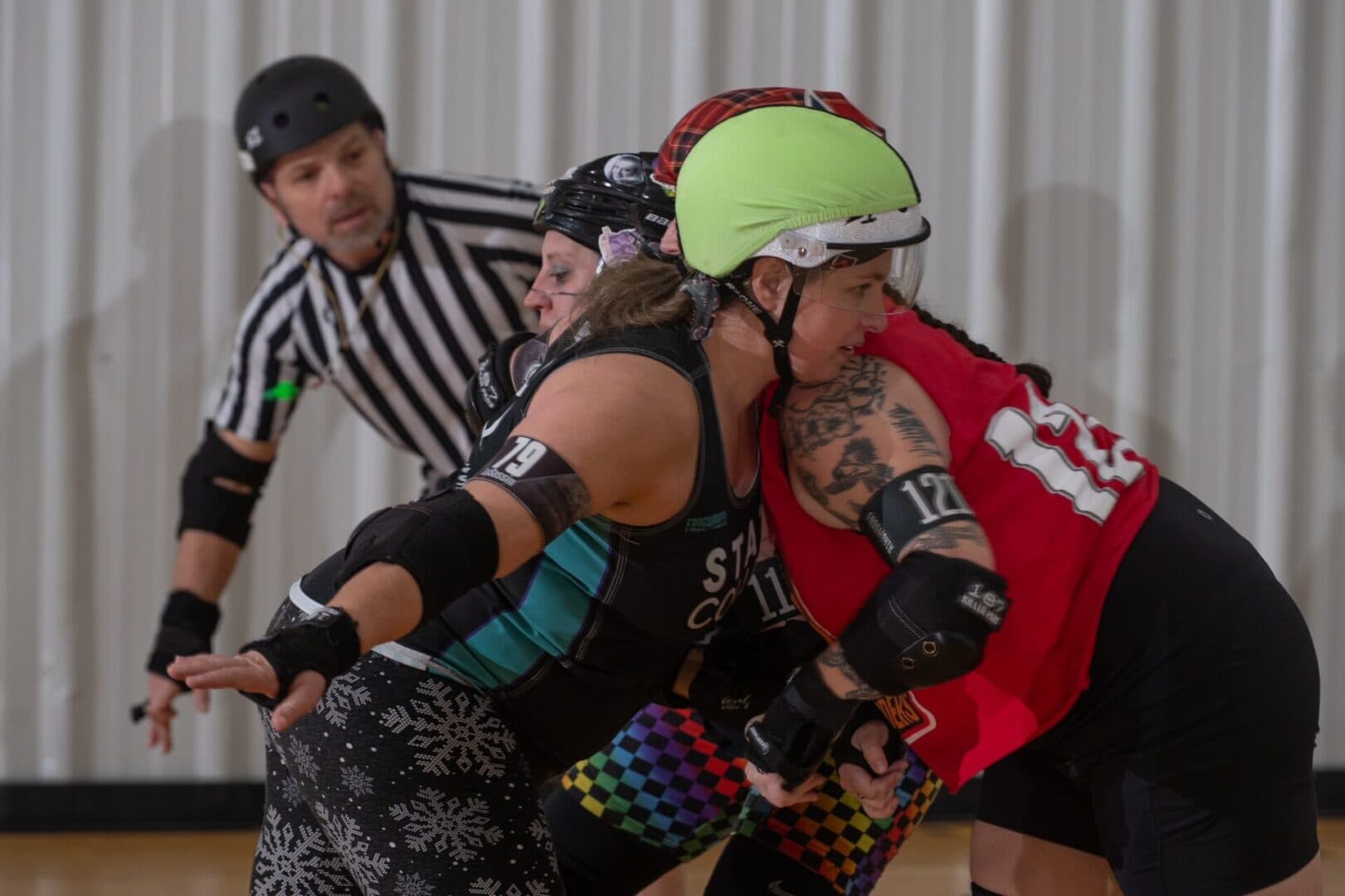
Sam Durante walked into State College Area Roller Derby practice and got something better than a stunt: a real introduction to how the sport works. She came out without any bruises, which is the kind of detail that should reset the way people think about roller derby, because this is not just a collision sport built for highlight clips. It is also a teachable one, and SCAR’s setup makes that obvious fast.
What a first practice actually feels like
The best part of the segment is that it treats a newcomer like a newcomer. Instead of leaning on spectacle, it follows Durante through the basics, the kind of early reps that matter before anyone starts talking about strategy or contact. That is the real first-practice decoder here: learning to skate with control, understanding where you belong in the pack, and getting a feel for the rules before the hits ever become the story.
That matters because roller derby’s reputation often scares people off before they ever reach the rink. SCAR’s practice environment cuts against that idea. The segment shows that a beginner can be brought into the mix, kept safe, and taught enough to leave with context rather than bruises, which is exactly what makes a first contact sport session feel survivable instead of intimidating.
Why the learning curve is not the wall people think it is
Roller derby has structure, but it is not some closed-off club that only welcomes skaters who already know every turn and stop. The WTAJ piece works because it makes the learning curve legible: you do not need to walk in as a finished athlete. You can show up, get oriented, and start building the skills that matter most in flat track derby.
That is a sharper point than it sounds like. A lot of sports rely on hidden knowledge, and roller derby can look especially opaque to outsiders because the contact is loud and the formations move fast. But once a newcomer sees how practice is organized around skating fundamentals, pack awareness, and contact rules, the sport stops looking like chaos and starts looking like a system. That shift is the story.

The league behind the practice
State College Area Roller Derby is not a pop-up attraction. WFTDA says SCAR was founded in October 2010 as a skater-owned and operated organization, and it became a nonprofit in 2015. SCAR describes itself as a skater-owned and operated flat-track derby league run by volunteers, including skaters, referees, and officials, which tells you a lot about how much of this sport is built from the ground up.
The league also has real competitive depth. WFTDA lists four SCAR teams: the Happy Valley Dolls, Plan B, the Mt. Nittany Mayhem, and the Pennsyltucky Punishers. The Happy Valley Dolls serve as the travel A team and WFTDA team, while Plan B handles the travel B team, giving the league a ladder that can support both serious competition and player development. That is what makes the beginner-friendly angle credible: SCAR is not lowering the bar because it lacks ambition, it is lowering the bar because it has a system.
Why the Betty Fund matters more than it sounds
The segment also points to one of the realities newcomers run into right away: derby costs money. Equipment, dues, and insurance can all get in the way of a skater who wants to start but cannot absorb the upfront expense. That is where the Betty Fund comes in, and it is not a small footnote. It is the kind of support structure that determines whether a community sport stays open to actual newcomers.
SCAR says the Betty Fund was formerly called the Angel Fund and was renamed after the loss of friend and coach Rachel “Blackout Betty” Gaddis. That history gives the fund real emotional weight, and it also explains why the league treats it as more than a cash pool. SCAR honored founding member Rachel Gaddis at a season opener on April 29, 2023, which ties the fund to the league’s own memory and identity rather than to generic fundraising language. In a sport where equipment and insurance can stop participation before it starts, that kind of support system is not optional, it is the bridge.

How SCAR actually opens the door
The clearest proof that SCAR wants beginners is right on its recruitment page. The league welcomes people of all gender identities and skill levels, and it is actively scheduling entry points for new skaters instead of waiting for them to figure it out alone. Recruitment nights are listed for April 14, 17, 21, 24, and 28 at 7:00 p.m. at C3 Sports, 200 Ellis Place, State College, PA 16801.
That venue matters too. SCAR moved to C3 Sports after Penn Skates closed, losing its previous rink after 10 years, so the current setup is part adaptation, part survival. A league that can relocate, reorganize, and still keep recruitment rolling is a league that has learned how to protect access. For anyone thinking of trying roller derby for the first time, that is the useful signal: there is a place to start, and it is already set up for people who are still deciding whether this sport is for them.
Why the TV segment lands
The WTAJ segment works because it shows roller derby as both approachable and organized. It does not flatten the sport into novelty, and it does not pretend the learning curve is fake. Instead, it reveals the part viewers rarely see: the controlled first practice, the volunteer structure, the funding support, and the open invitation to try again after day one.
That is the real takeaway from State College. SCAR is not just producing skaters, it is building a pathway for them, from the first tentative laps to a league with teams, history, and a community that knows how to make room.
This article was produced by Prism’s automated news system from verified source data, official records, and press releases, then run through automated quality and moderation checks before publishing. The system is built and supervised by the people who set the standards it runs under. Read our full AI policy.
Did this article answer your question?