Texas Rollergirls trophy becomes museum artifact in roller derby history
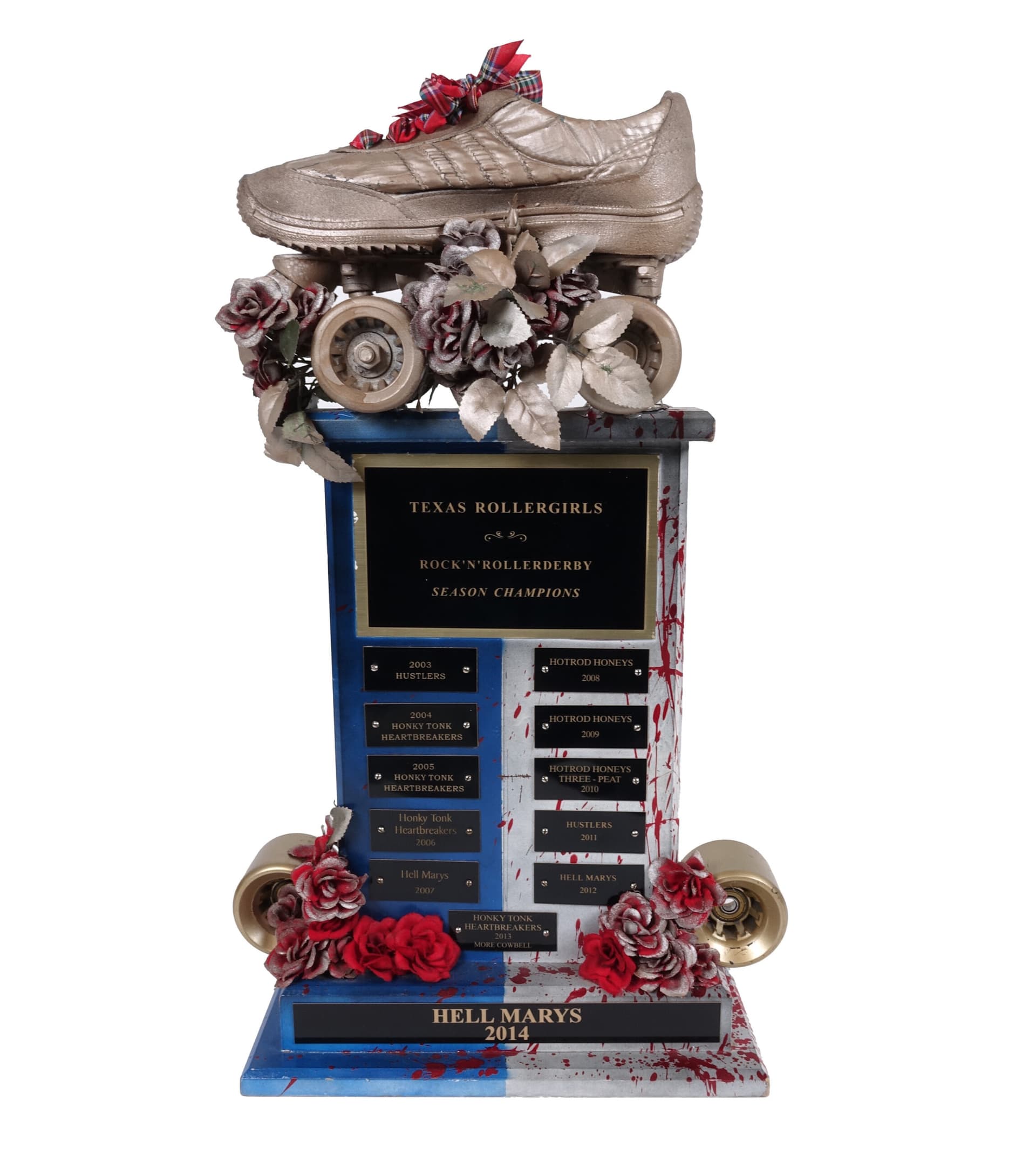
The Bullock museum put the Texas Rollergirls Championship Trophy on view from March to August 2015, filing derby history alongside state artifacts. The sport’s own hardware now sits beside league ephemera in museum and Smithsonian collections.
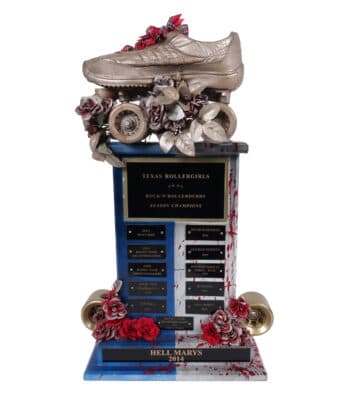
The Bullock Texas State History Museum placed the Texas Rollergirls Championship Trophy on view from March 2015 through August 2015, classifying it under Contemporary Texas | 1990-Present and the Athletes group, with the Texas Rollergirls listed as the lender. That simple museum record says a great deal about roller derby’s climb from outsider spectacle to something Texas now preserves as part of its own story.
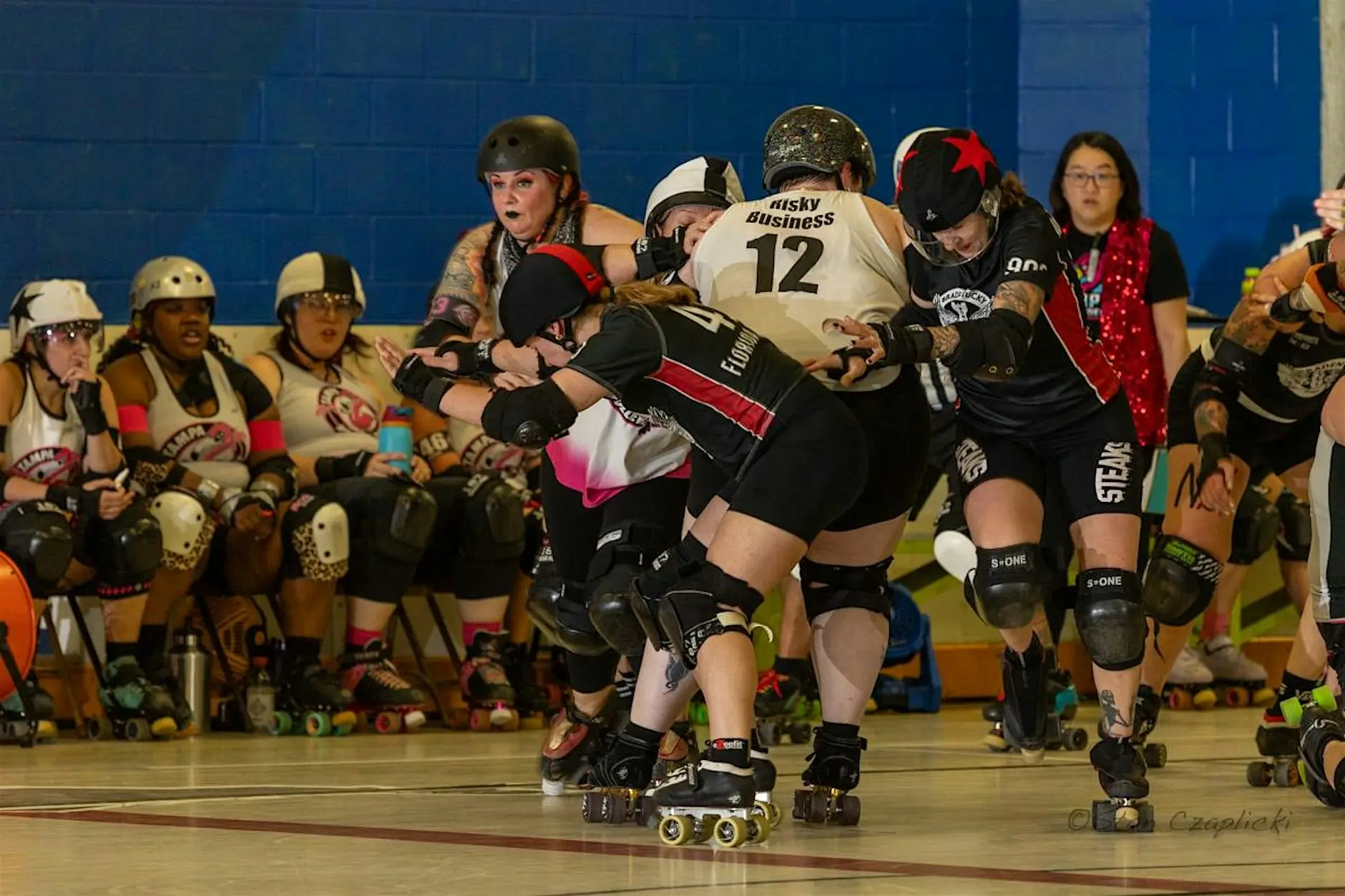
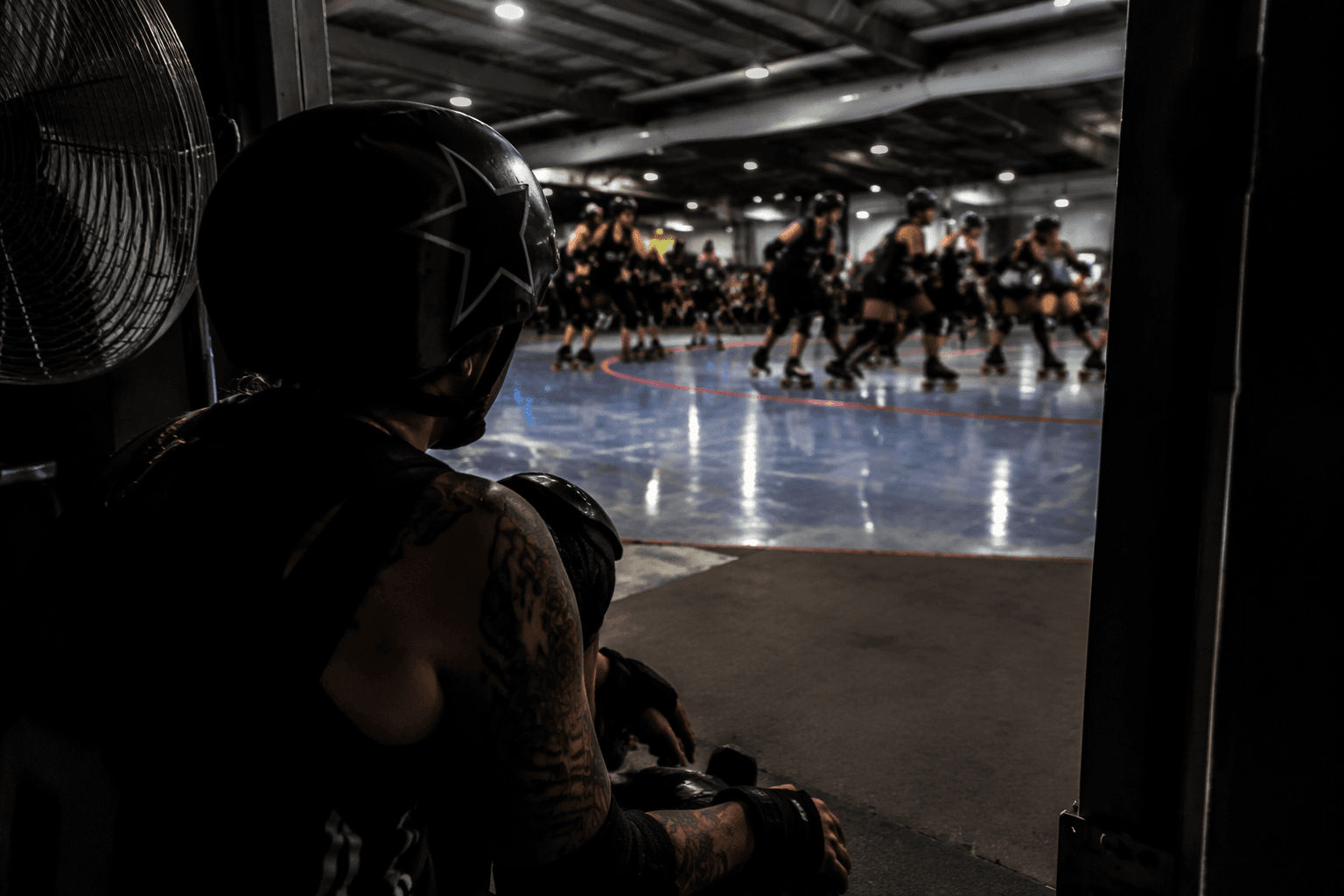
The Bullock’s roller derby exhibition was a temporary one, but it packed in more than a single trophy. The museum said the show included uniforms, skates, posters, and other items from modern flat-track and banked-track leagues, along with some of the earliest roller derby artifacts. In other words, the trophy sat inside a display that treated derby as a living sport with a paper trail, a visual language, and a history worth archiving.
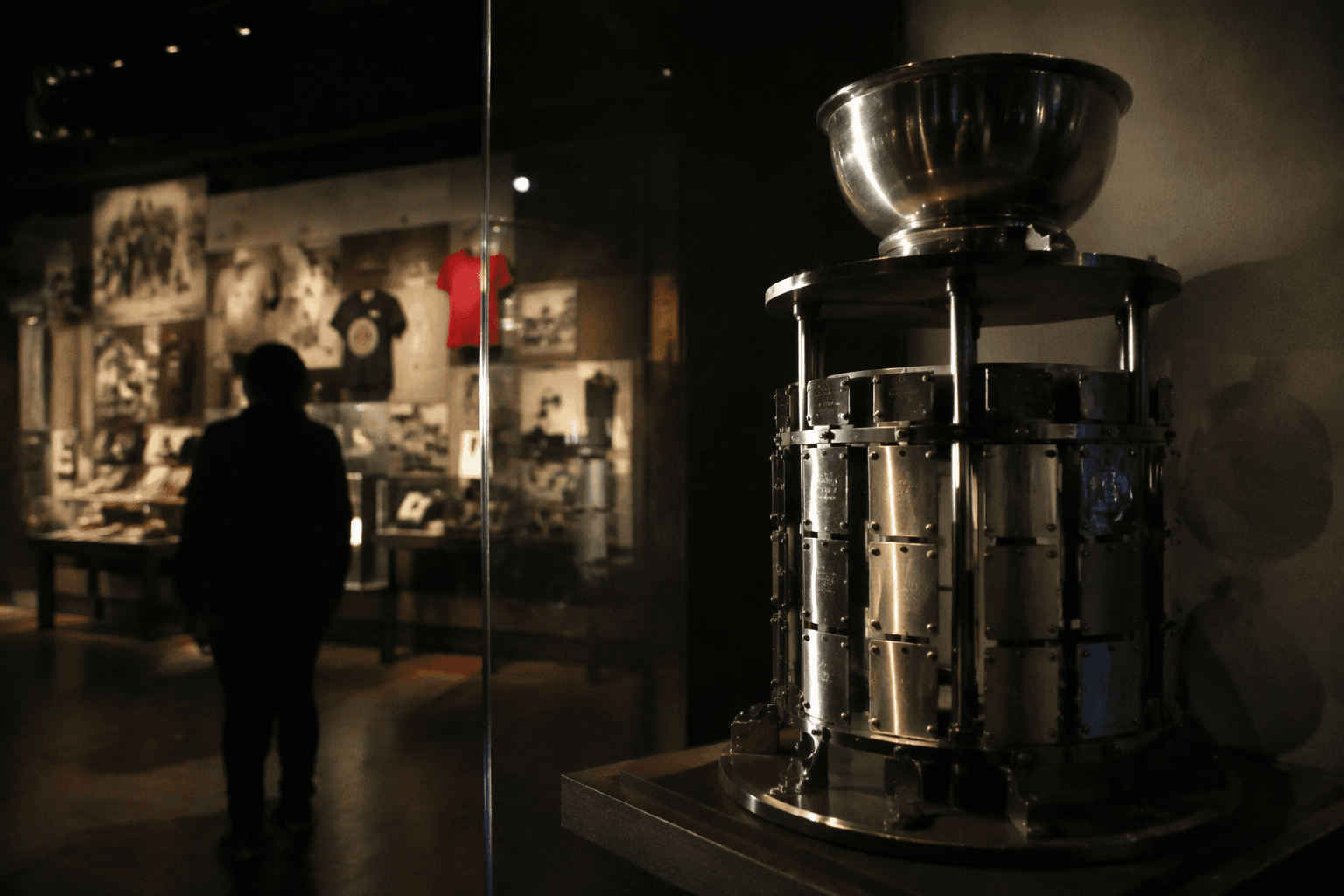
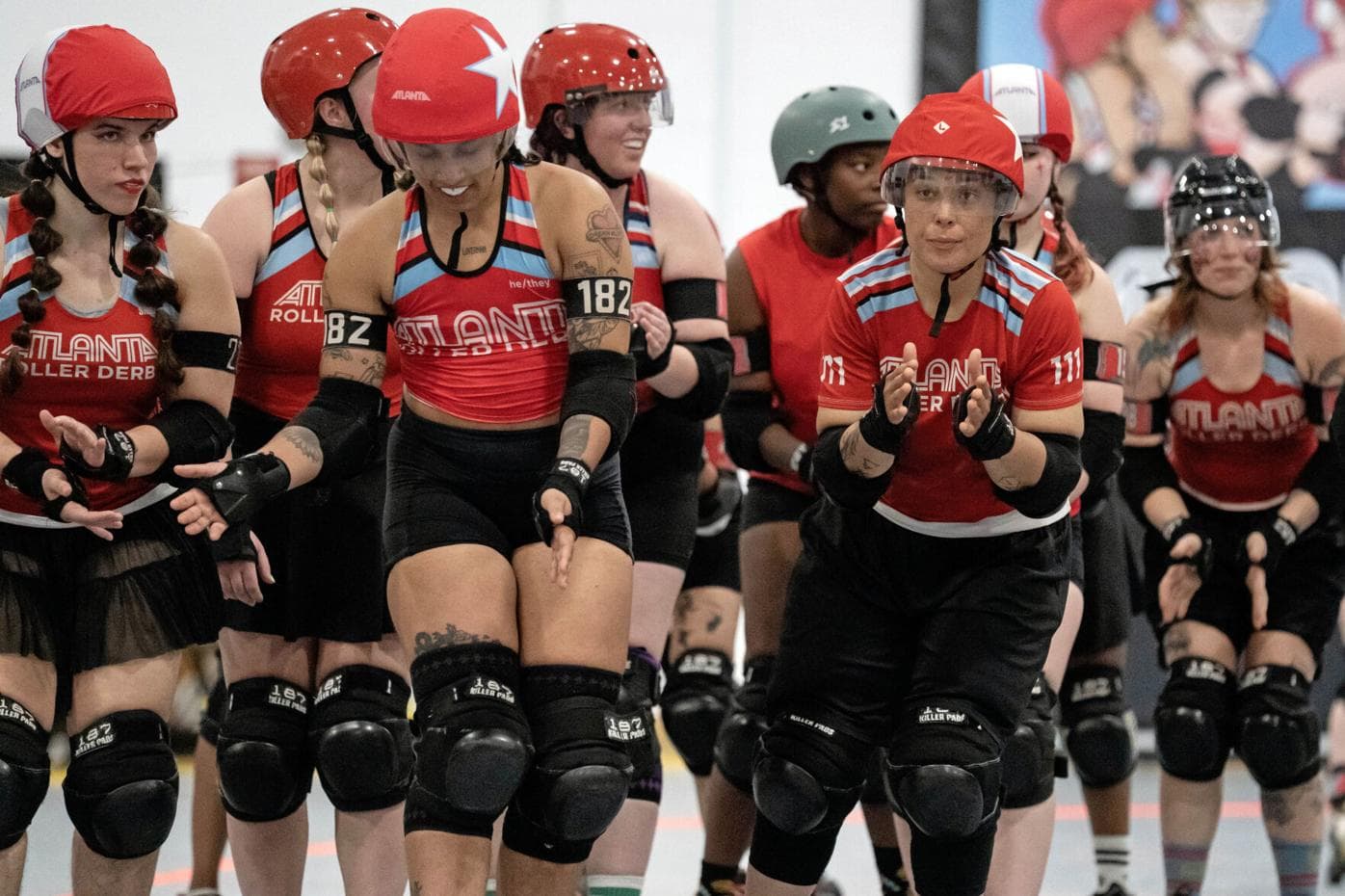
Texas carries unusual weight in that history. The Texas State Historical Association describes the modern rebirth of roller derby in Texas as beginning in Austin in 2003, and identifies Texas Rollergirls as the first modern roller derby league. The league says the same thing on its own history materials, grounding the trophy in the city and season that helped define contemporary flat-track derby. The object is not just a prize from one championship run. It is a marker from the era when leagues began building their own names, uniforms, identities, and annual traditions outside the old-school showbiz image of the sport.
That championship culture is part of why the trophy resonates. A 2017 Texas Rollergirls post described its championship double header as a contest for “all the marbles,” with the home team trophy and bragging rights for the next year on the line. In derby, the hardware is not decorative. It captures who owned the season, who set the standard, and which roster the crowd would be talking about when the next year’s bouts rolled around.
The museum record also fits into a larger archive already taking shape beyond Austin. The Smithsonian’s National Museum of American History holds a 2008 league MVP trophy awarded to Sparkle Plenty, the derby name of Rachelle Moore of the Texas Rollergirls. It also holds a Women’s Flat Track Roller Derby program for Texas Rollergirls vs. Carolina Rollergirls dated September 15, 2007. Together, those objects show that modern roller derby is no longer preserved only in league memory or old bout posters. Its trophies, programs, and gear are being folded into institutional collections that record how the sport rebuilt itself in Texas and spread from there.
This article was produced by Prism’s automated news system from verified source data, official records, and press releases, then run through automated quality and moderation checks before publishing. The system is built and supervised by the people who set the standards it runs under. Read our full AI policy.
Did this article answer your question?