Twin State Derby wins Vermont Community Foundation grant support
Twin State Derby landed $1,500 in Samara Fund operating support, a small award that helps pay for rink time, insurance and the volunteer work behind every bout.

Twin State Derby picked up $1,500 in general operating support from the Vermont Community Foundation’s Samara Fund, a modest award that can cover the routine costs that keep a skater-owned roller derby league on the track. Twin States Network received the same amount in the 2026 grant round, which sent $117,100 to 35 organizations across Vermont and added $16,500 in scholarships, with grants ranging up to $5,000.
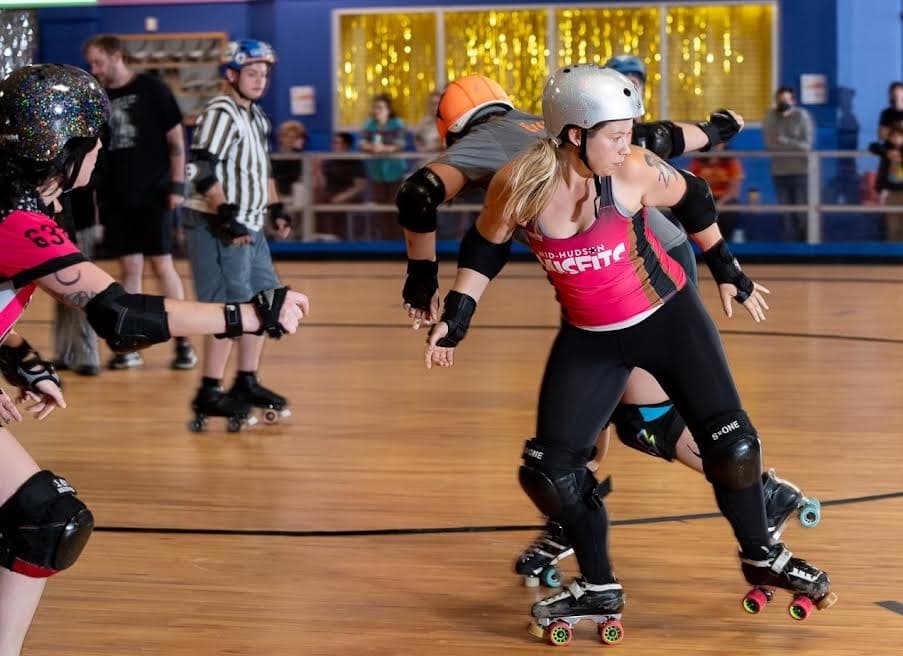
That operating money matters in roller derby because the sport runs on invoices, not television rights. For Twin State Derby, the grant can help with rink time, travel, safety gear, insurance, volunteer coordination, event setup and the administrative work that falls on the same people who skate, officiate and promote the next bout. The Samara Fund is led by queer and trans Vermonters and backs grants and scholarships for LGBTQ+ and HIV-positive people in Vermont, making the league’s inclusion in the 2026 awards part of a broader community funding push rather than an isolated sports line item.
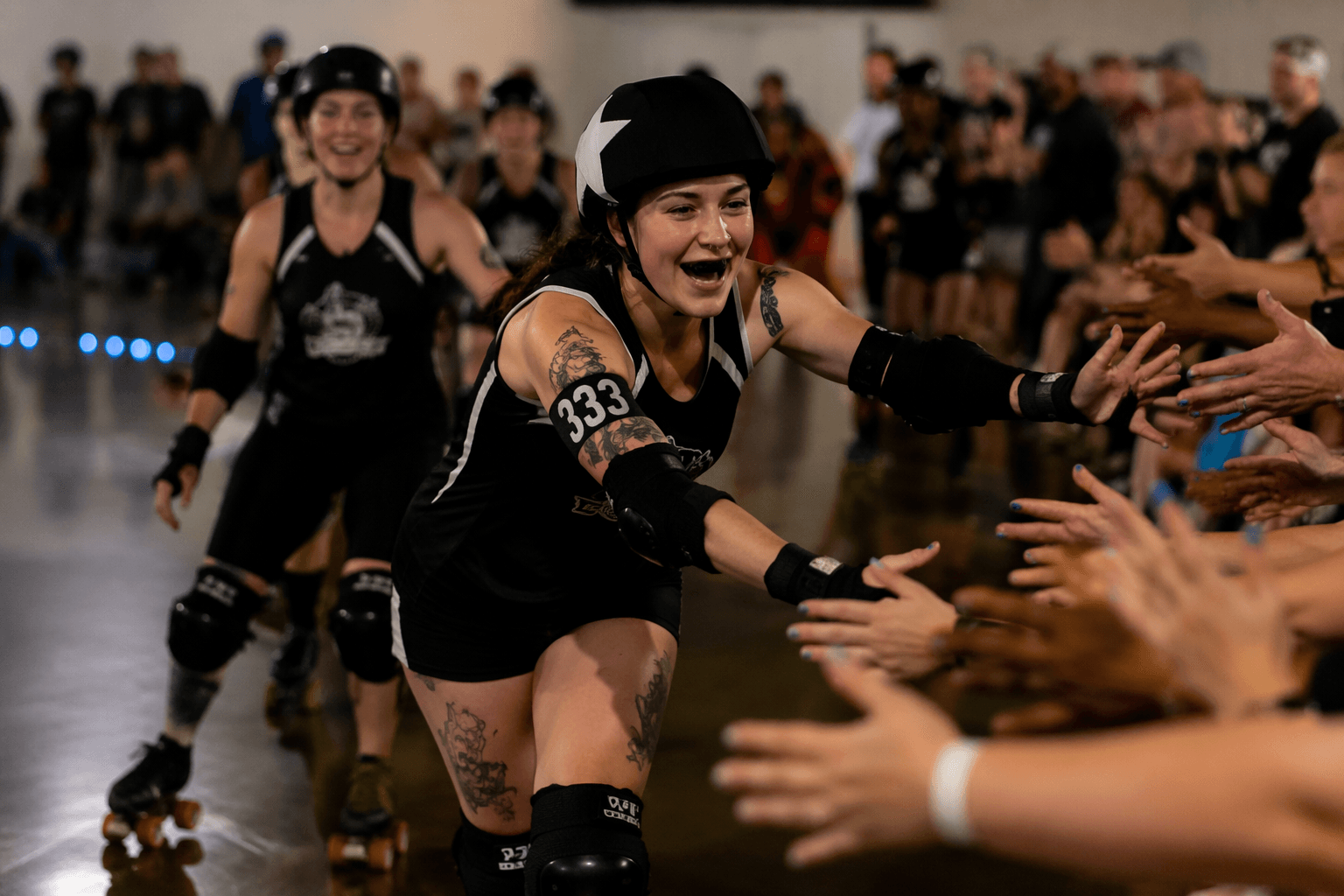
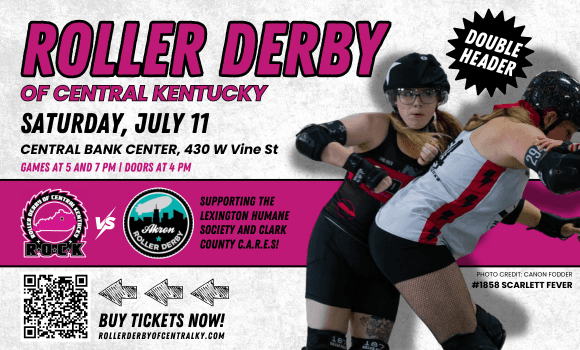
Twin State Derby describes itself as a nonprofit, skater-owned and operated women’s flat-track roller derby league in the Upper Valley region of New Hampshire and Vermont. Its travel team, the Upper Valley Vixens, has played throughout greater New England since 2010, and the league was accepted into the Women’s Flat Track Derby Association Apprentice Program in January 2016. The league’s history traces back to summer 2010, when Cecily Herzig, Adrienne Sass, Brooke Wilkinson and Dyan Robinson were skating with Central Vermont Roller Derby in Montpelier, Vermont, and started looking for a closer Upper Valley option.

That search led to practice space at Great View Roller Rink in Enfield, New Hampshire, and eventually to a league that says it has played more than 40 regulation games in New England and beyond. The 2026 schedule still includes bouts and Derby 101 sessions, a sign that the grant supports more than game nights. It helps keep newcomers coming in, officials trained, and a volunteer-heavy organization stable between events, which is the kind of support community-run derby leagues need to survive.
This article was produced by Prism’s automated news system from verified source data, official records, and press releases, then run through automated quality and moderation checks before publishing. The system is built and supervised by the people who set the standards it runs under. Read our full AI policy.
Did this article answer your question?