Arizona roller derby keeps the sport rolling with deep community roots
Arizona’s derby scene survives through volunteer energy, recurring tournaments, and long-running leagues. Arizona Roller Derby’s 23rd season shows how the sport stays viable after the boom.
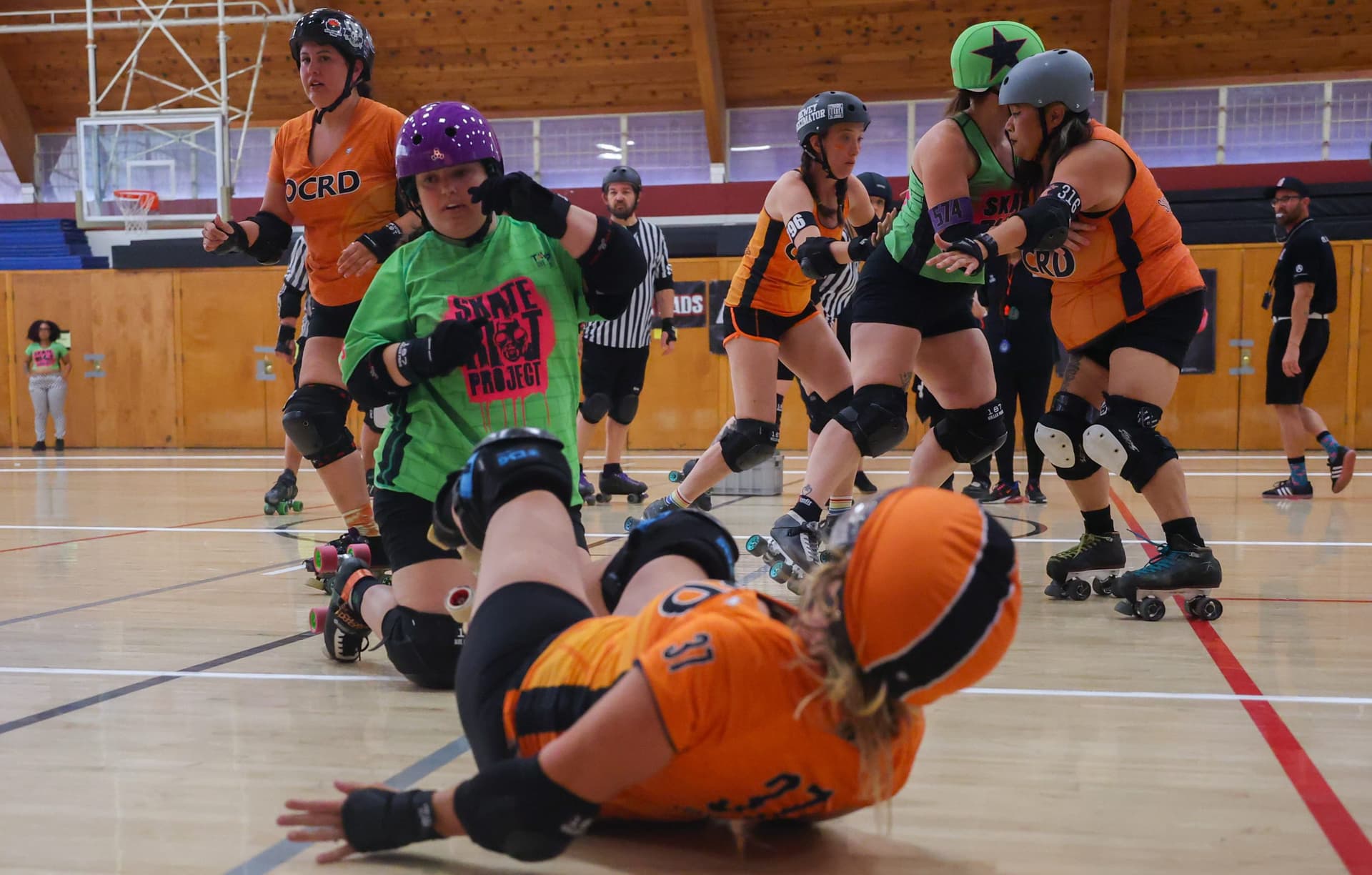
Arizona roller derby still has the ingredients many sports lose after their first surge: a steady stream of skaters, a dense volunteer base, and a calendar that keeps turning over. Modern roller derby is widely traced to 2003, when the Texas Rollergirls in Austin became the first modern league, and Arizona turned that burst of internet-era momentum into something durable. Arizona Roller Derby says it is in its 23rd season, a sign that the state’s scene has moved well past novelty and into habit.
A scene built to last
The clearest sign of durability is continuity. Arizona Roller Derby posted in 2019 that it was entering its 16th season and introducing three new teams, which shows a league growing while staying organized enough to add structure rather than simply survive from bout to bout. That kind of expansion matters in derby because roster depth is part competitive necessity and part community glue: more teams mean more skaters, more internal matchups, and more reasons for people to stay involved.
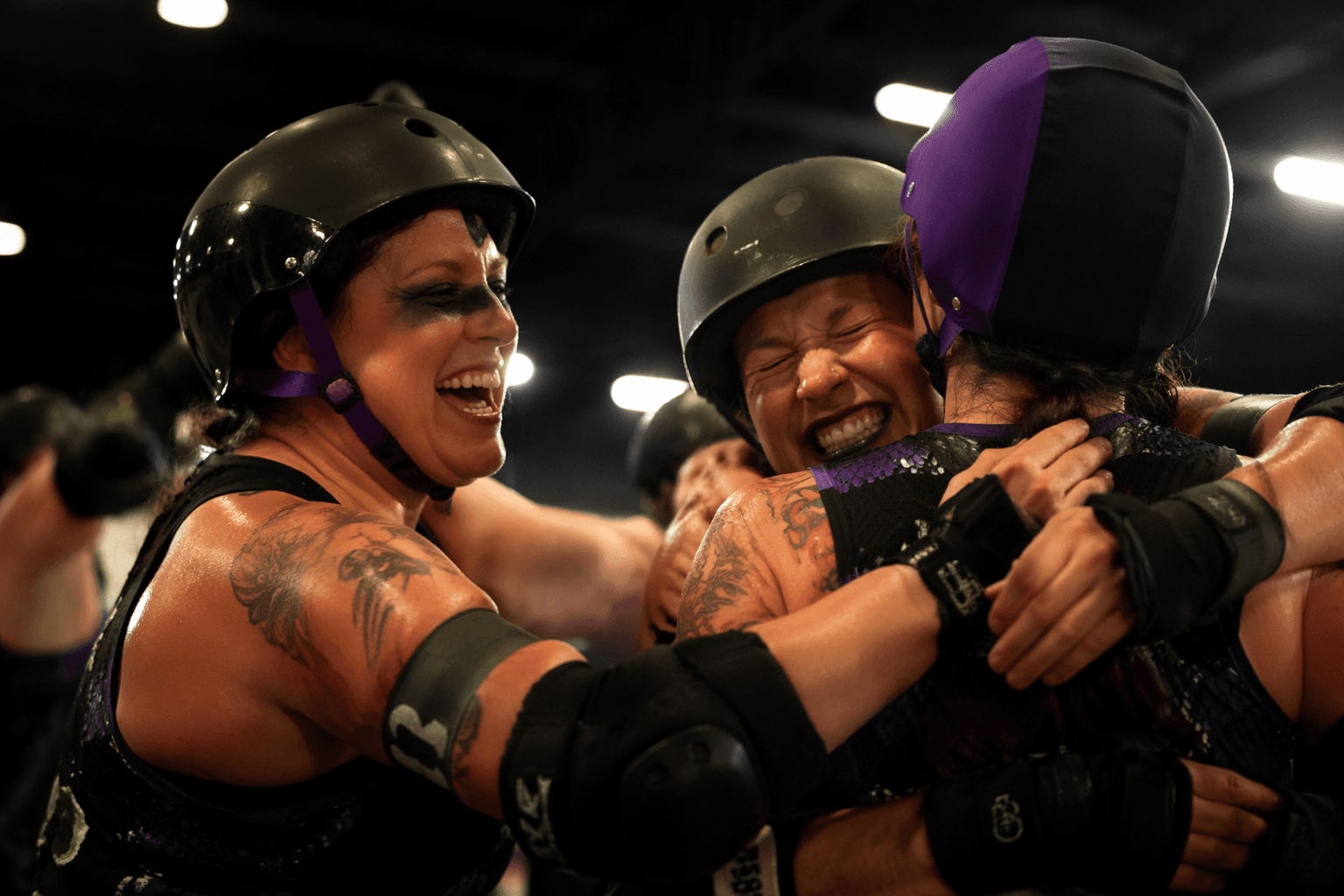
Arizona’s place in the sport also reflects how modern derby spread in the first place. The game’s reboot in Austin traveled by word of mouth and the internet, and Arizona’s leagues absorbed that model by building identities that are local, social, and durable. Instead of relying on a single star or a single season, the state’s leagues present themselves as ongoing institutions with names, calendars, and a recognizable culture.
Community is the recruiting engine
Phoenix Roller Derby makes the point directly by describing itself as “more than just a sports team” and emphasizing community. That framing matters because recruitment in derby rarely looks like a traditional talent pipeline. It is closer to open-door participation, where skating, volunteering, and showing up are all part of joining the ecosystem.
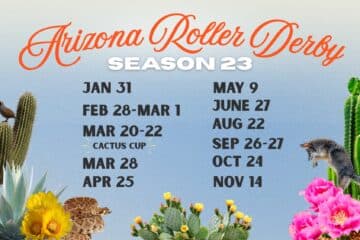
Arizona Derby Dames pushes that idea even further. The league says it is Arizona’s only banked track roller derby league, and it invites people to skate, volunteer, or attend. That mix of athlete and helper creates a wider base than competition alone, and it gives the sport a social footprint that reaches beyond anyone wearing a number on a jersey.
The calendar keeps the league alive
Recurring events are not just showcases; they are infrastructure. Arizona Roller Derby’s event listings include Monsoon Madness 2025, set for August 29-31, 2025, and Cactus Cup 2026, described as the sixth annual WFTDA roller derby tournament at Ability360. Those dates and that venue show a sport that stays visible by returning to the same local channels with enough consistency to become part of the community’s rhythm.
Cactus Cup is especially telling because annual tournaments demand organization, staffing, and enough buy-in to bring skaters and fans back year after year. Ability360 gives the event a fixed home, and that kind of dependable venue is crucial in a sport built on volunteer labor and repeat participation. A league that can keep tournaments on the calendar is not merely staging games: it is maintaining the relationships, space, and momentum that make the next season possible.
What Arizona’s model teaches
Arizona’s value as a case study is that it treats roller derby as a system, not a one-time surge. The state’s leagues combine competition with social identity, and they keep the doors open through recruitment, volunteer work, and public events that give people a reason to stay attached. That approach is why Arizona can support multiple organizations with distinct identities, from Arizona Roller Derby to Phoenix Roller Derby and Arizona Derby Dames.
The broader lesson is simple: derby lasts when it creates places for people to belong as skaters, volunteers, and regulars, not just as ticket buyers. Arizona has kept that balance in motion through long seasons, new teams, banked-track distinctiveness, and tournaments that return on schedule. In a sport that spread fast, the state has shown how it can also stay rooted.
This article was produced by Prism’s automated news system from verified source data, official records, and press releases, then run through automated quality and moderation checks before publishing. The system is built and supervised by the people who set the standards it runs under. Read our full AI policy.
Did this article answer your question?