Charli Turner wins juvenile girls solo free dance at nationals
Charli Turner topped Juvenile Girls Solo Free Dance as nationals closed, while Jasmin Van der Heijde’s fourth in Masters Ladies Solo Free showed the depth.
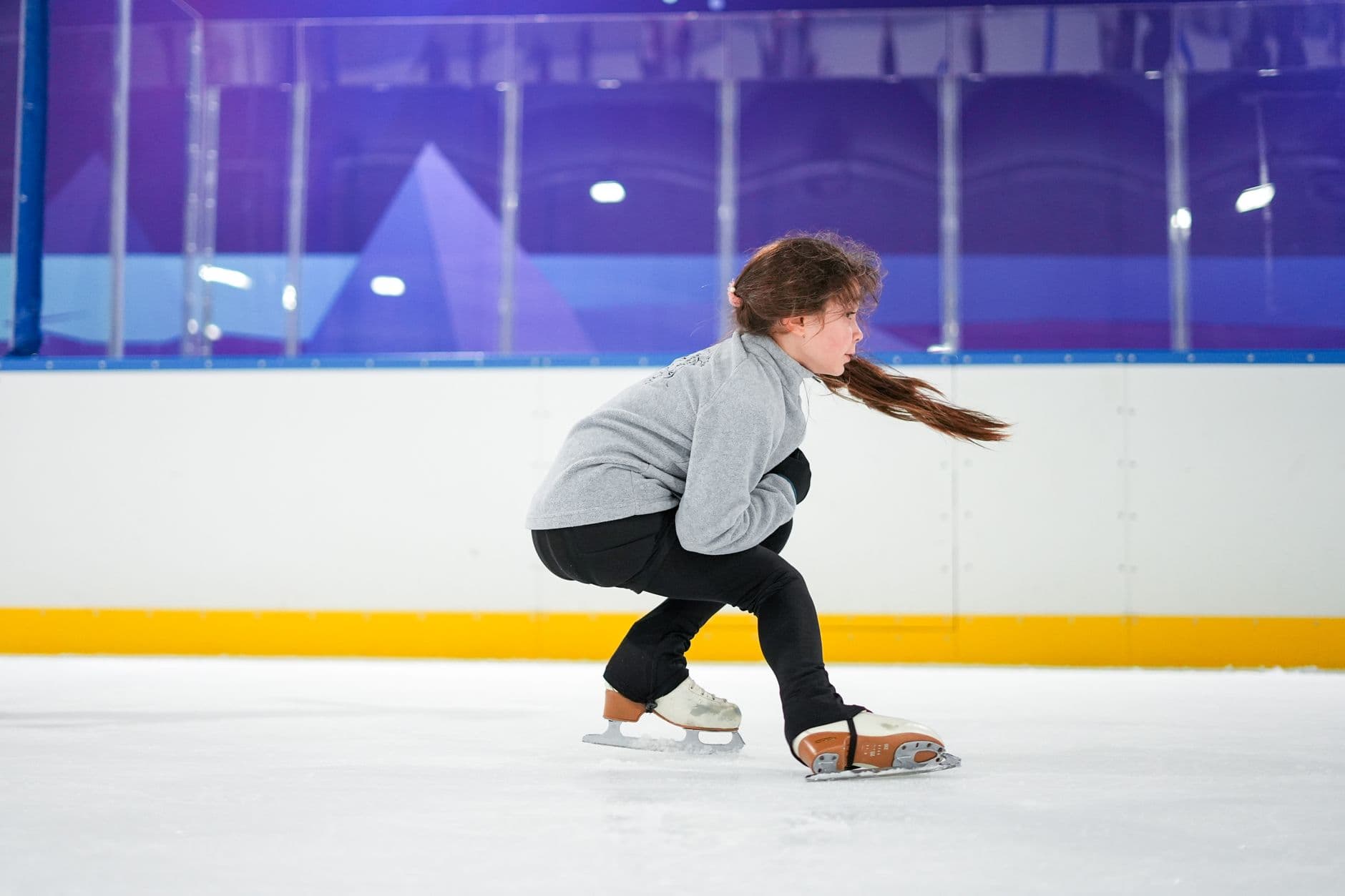
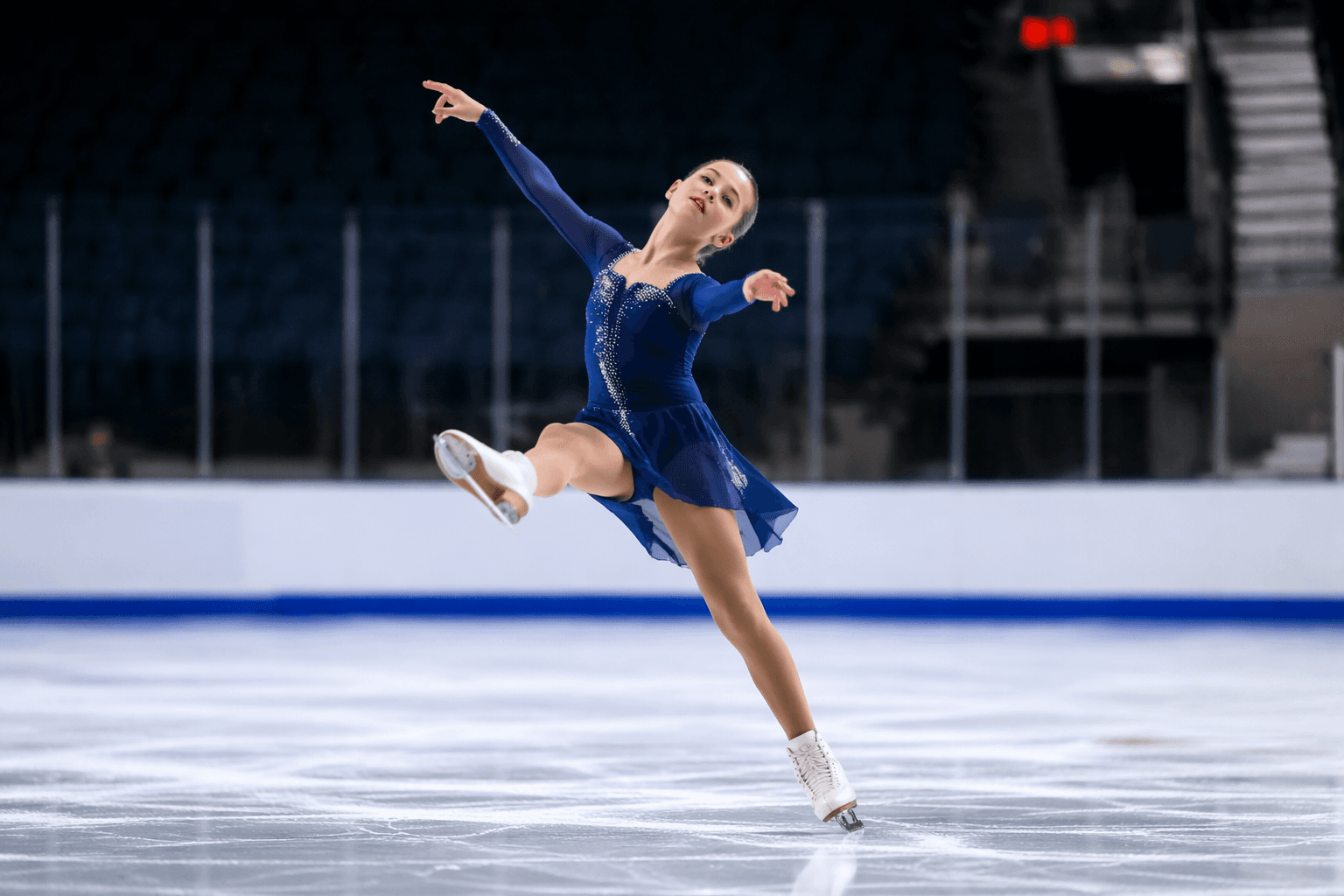
Charli Turner took first in Juvenile Girls Solo Free Dance as the 2026 Artistic Roller Skating National Championships closed, while Jasmin Van der Heijde finished fourth in Masters Ladies Solo Free. Those results gave the final national leaderboard two vivid markers: a juvenile champion delivering under pressure and a masters finalist proving the field stretched across age groups.
In artistic roller skating, placement is only part of the story. Skaters are judged on precision, control, choreography, posture and how cleanly each element links into the next, which makes a national title a test of execution as much as athletic ability. Turner’s win in the juvenile division points to a routine that held together across the full free dance program, while Van der Heijde’s top-four finish showed that the senior end of the sport remained competitive deep into the championship week.
USA Roller Sports, the national governing body for roller speed, figure and artistic, hockey, roller derby and freestyle, placed the 2026 Artistic and Speed National Championships in Lincoln, Nebraska, with Speedway Village listed in the event materials. The tentative artistic schedule was revised on June 9 and set the championships to begin Friday, July 17, giving the event a clear place on the sport’s annual calendar and confirming the national stage that Turner and Van der Heijde were working under.
The final results also fit the larger structure of the sport. USA Roller Sports maintains a results page and a figure skating national championship archive, and its championship pages show that outcomes are regularly published and preserved online year after year. That record matters because nationals are the domestic benchmark that coaches and skaters use to gauge where routines stand before the next training cycle begins.
Turner’s victory will land in the national-team conversation because juvenile winners often become the reference point for the next wave of development in artistic skating. Van der Heijde’s fourth-place finish matters for the same reason on the masters side: it shows the depth of the field and the staying power of skaters who continue to push technical and artistic standards well beyond the youth divisions. When nationals close with results like these, the pecking order for the next season is already starting to take shape.
This article was produced by Prism’s automated news system from verified source data, official records, and press releases, then run through automated quality and moderation checks before publishing. The system is built and supervised by the people who set the standards it runs under. Read our full AI policy.
Did this article answer your question?