How Plimpton’s 1863 skate sparked the 1880s roller-skating craze
Plimpton’s 1863 skate made turning easier, and that breakthrough helped drive the 1880s rink boom into a social, business, and sporting phenomenon.
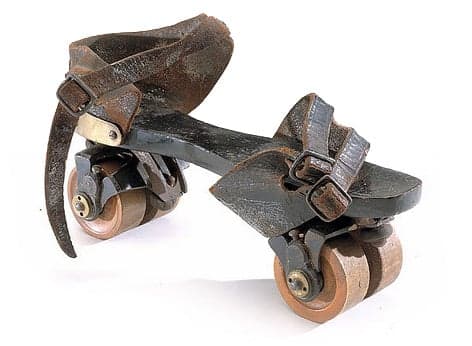
In January 1863, James Leonard Plimpton patented his four-wheeled turning roller skate, giving skaters a controllable turn and helping turn a mechanical curiosity into a mainstream pastime by the 1880s. Once riders could lean, curve, and move indoors with more confidence, roller skating became easier to sell as entertainment, exercise, and social theater all at once.
The 1863 breakthrough that changed the ride
The mechanism mattered as much as the date. Plimpton’s skate used a pivoting action dampened by a rubber cushion, which let skaters curve by leaning in the direction they wanted to go. The design broke from in-line construction and used two parallel pairs of wheels for stability.
That combination changed the feel of skating in a practical way. A steadier platform lowered the barrier for ordinary skaters, not just inventors, daredevils, or hobbyists chasing a mechanical curiosity. The result was a piece of equipment that could be marketed to a much wider public, especially once rink operators realized that easier steering meant more repeat customers and a broader audience for lessons, public sessions, and organized leisure.
Why the 1880s craze spread so fast
The big surge came because roller skating fit the late 19th-century leisure economy almost perfectly. It was indoor-friendly, repeatable, relatively affordable, and built for music, spectatorship, and mixed-gender socializing.
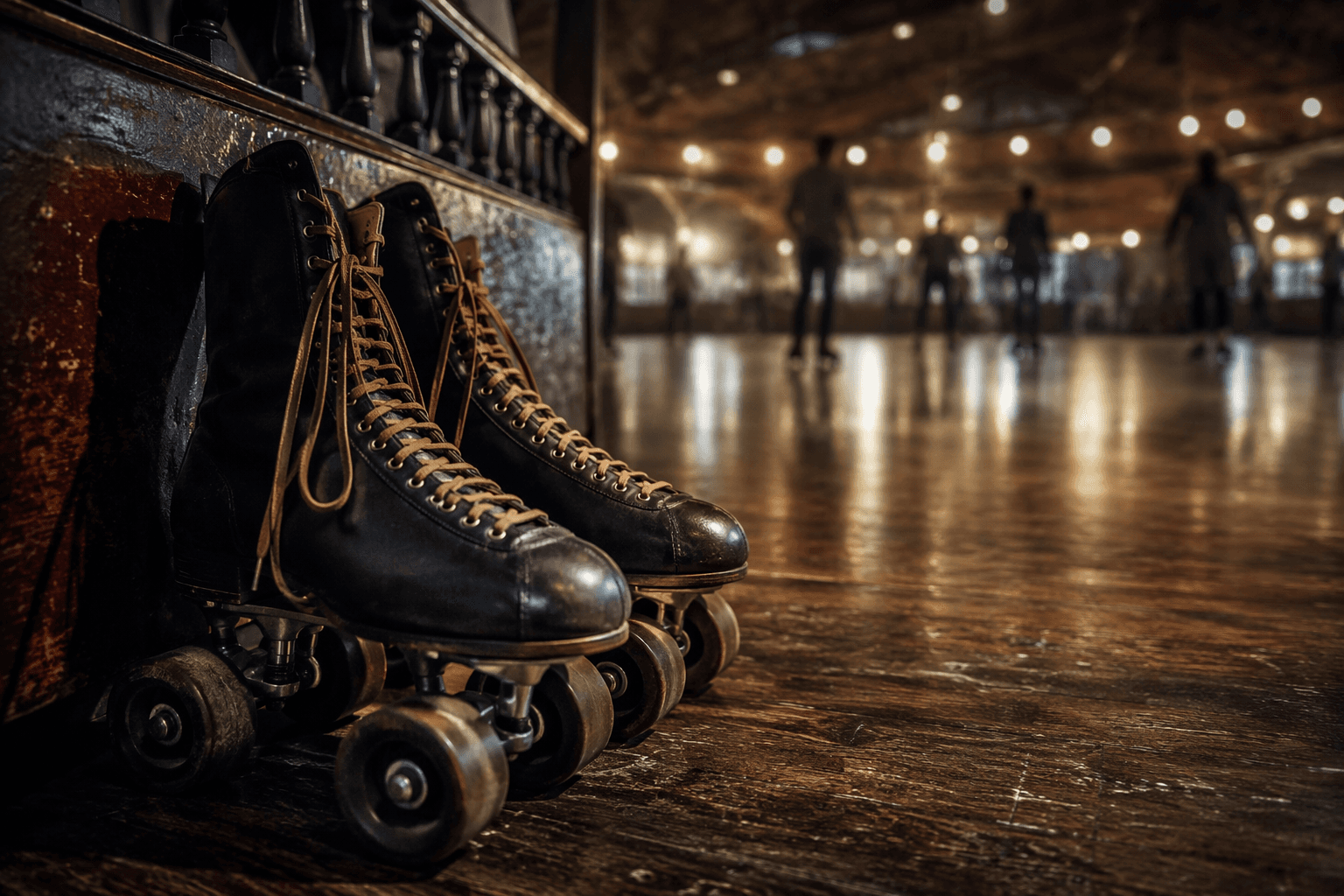
In the 1880s the roller-skating craze spread in cities and towns across the United States, and the Library of Congress built a research guide around the craze in Chronicling America newspapers. Advertisements from the era depicted people of all ages having fun on four wheels, a sign that roller skating was being sold not as a niche skill but as a public experience wide enough for families, young adults, and casual visitors.
The craze also worked because it was easy to understand and easy to repeat. A rink session did not require a long apprenticeship or specialized equipment beyond the skates, and the indoor setting made it dependable in a way that many outdoor amusements were not. That reliability helped turn skating into a business, not just a pastime.
Rinks became destinations, not just floors
The first public roller skating rink in the United States opened on August 11, 1866, at the Atlantic House in Rhode Island, and that opening marks the point where skating moved from invention to venue-based culture. A rink offered something more than open space: it gave the activity a controlled surface, a social audience, and a price structure that made skating a regular outing. Once that model existed, it could spread.
Lincoln, Nebraska, was on the rink map by 1877, and the 1880s saw the crest of several roller-skating booms. A new rink in Omaha in 1883 shows how quickly the craze could move from one city to the next.
That social function is what made rinks powerful. They were places to see and be seen, and skating there meant balancing athletic control with etiquette, style, and confidence in a crowd. Beginners, regulars, and spectators shared the same space.

From pastime to sport
By the 1880s, roller skating had the infrastructure to evolve into a real sporting culture. Once the public wanted rinks, operators could offer lessons, regular sessions, and organized skating spaces, which in turn encouraged more formal techniques and expectations.
The later disciplines that grew from that base, including artistic skating, speed skating, and roller hockey, all rely on the same basic breakthrough: rolling motion turned from amusement into organized competition.
What the first craze already looked like today
A modern rink or derby crowd would recognize a lot in the 1880s scene. The attraction was not only the act of skating, but the whole environment around it: music, lights, spectators, fashion, and the rush of being part of a public crowd. Even the advertising language was recognizable, because it leaned on inclusiveness, fun, and the appeal of watching ordinary people become graceful on four wheels.
This article was produced by Prism’s automated news system from verified source data, official records, and press releases, then run through automated quality and moderation checks before publishing. The system is built and supervised by the people who set the standards it runs under. Read our full AI policy.
Did this article answer your question?