Montreal roller skating community thrives with Chloé Seyrès at the center
Chloé Seyrès turned Montreal’s roller scene into a gathering place, and the city’s new rinks and workshops show the culture has real momentum.

Montreal’s roller-skating scene has a clear center of gravity: Chloé Seyrès, known on wheels as Kozmic Skater. The July 3, 2026 CTV feature put her at the heart of a community that is not just surviving, but pulling in a wider mix of skaters through dance, lessons, and shared ritual.
The skater setting the pace
Seyrès is more than a recognizable name. She is a four-time world champion in slalom skating and shifted into performing arts in 2021, a move that gave her work a different shape without leaving skating behind. In Montreal, that range matters: she brings technical credibility, stage presence, and coaching experience to a scene that rewards all three.
What makes her influential is not just the résumé, but the way she frames the sport. She teaches amateurs and professional movement artists, which puts beginners and trained performers in the same orbit. That combination has helped roller skating in Montreal feel less like a niche pastime and more like a living scene with its own style, vocabulary, and social code.
How Skatespace turned demand into a school
Skatespace, which Seyrès founded, is described as Montreal’s first roller skate school. It began during the pandemic, after she started offering lessons in a park and found strong demand. That origin story matters because it shows the scene was already there before the formal structure arrived: the school did not create interest out of nowhere, it organized something people were already chasing.
By 2024, CityNews Montreal was pointing to a fuller set of offerings at the Centre Communautaire de Loisirs Sainte-Catherine d’Alexandrie. The school had grown into a place for private lessons, open jams, and basics classes, which gives the scene both entry points and community spaces. That mix is the engine: one-on-one instruction for fundamentals, open sessions for practice, and group classes for newcomers who need a softer landing.
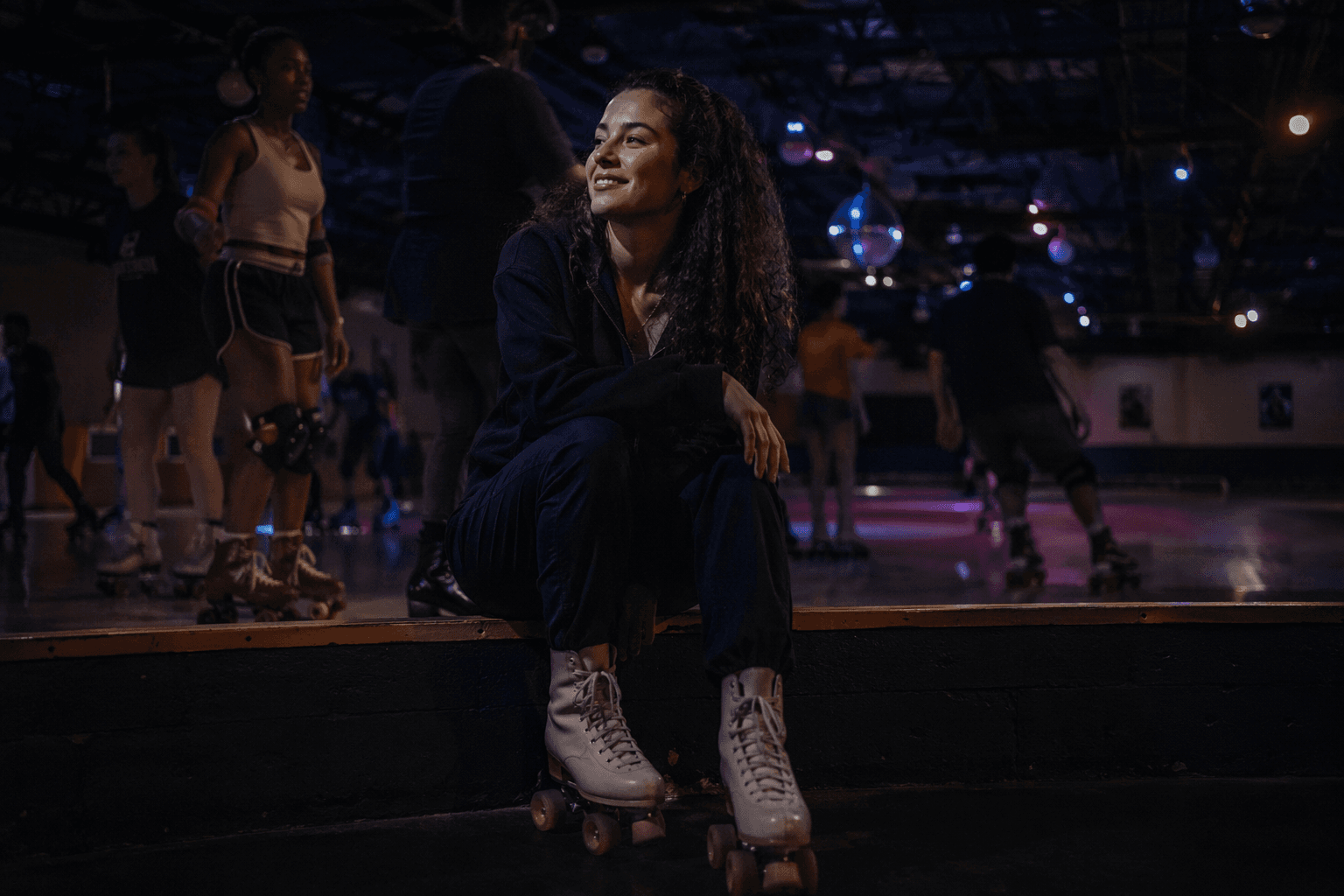
The appeal is emotional as much as technical. Participants described the experience as healing, social, and “good for the soul.” That language says a lot about why skating has stuck in Montreal: people are not only learning moves, they are buying into a routine that creates confidence, connection, and a little release from the city grind.
The new rink that gave the comeback a home
Montreal’s resurgence is bigger than one school. On December 31, 2025, Avenue du Patin officially opened in Saint-Léonard as a retro indoor roller rink, and the timing was no accident. The venue arrived with music, lights, and New Year’s Eve energy, the kind of atmosphere that turns skating into an event instead of just an activity.
Brothers Jonathan and Philippe Hamel built the rink, and Philippe Hamel said the idea came from two directions at once: nostalgia from older residents and interest from younger people. That matters because it suggests Montreal’s skating culture is not being carried by a single generation. Older skaters bring memory and repetition; younger skaters bring curiosity and reinvention. Put those together, and you get the ingredients for a scene that can last.
Avenue du Patin gives the city something Skatespace cannot do alone: a dedicated public space where the culture can gather at scale. Rinks shape identity. They give skaters a place to be seen, to meet, to learn, and to make the activity visible to people who may never walk into a lesson.
Why skating spaces matter as much as the skaters
The importance of those spaces was underscored in October 2024, when Global News reported that Montreal roller hockey enthusiasts feared a rink closure would disrupt play for two years. That concern is easy to understand. Skating communities do not thrive on enthusiasm alone; they depend on floors, timing, access, and continuity.
A closed rink is not just an inconvenience. It breaks habits, scatters groups, and makes it harder for newer skaters to join an established circuit. In that sense, the fear around the hockey rink echoed the larger Montreal story: when the city has a venue, the community grows more stable; when it loses one, the culture feels it immediately.
That is why the current moment looks meaningful. The city has Seyrès teaching, Skatespace formalizing entry-level access, Avenue du Patin adding a retro public anchor, and skating events continuing to surface across Montreal in 2026, including free beginner workshops. Each piece serves a different role, but together they make the scene feel less temporary and more rooted.
A local skating identity taking shape
Montreal is not just borrowing a trend. It is building a recognizable skating identity around movement, music, and community ritual. Seyrès gives it a face, Skatespace gives it structure, Avenue du Patin gives it a home, and the broader network of workshops and events keeps the doors open to new skaters.
That combination is what makes the city feel magnetic right now. The joy is visible, the style is distinct, and the community is organized enough to keep newcomers coming back. Montreal’s roller-skating culture is no longer just a comeback story. It is becoming one of the city’s clearest local scenes.
This article was produced by Prism’s automated news system from verified source data, official records, and press releases, then run through automated quality and moderation checks before publishing. The system is built and supervised by the people who set the standards it runs under. Read our full AI policy.
Did this article answer your question?