Scott Olson’s inline skate invention changed roller skating forever
Scott Olson did not invent the inline idea, but he made it finally work for real skaters. That shift fueled fitness skating, hockey training, and a 1990s boom.
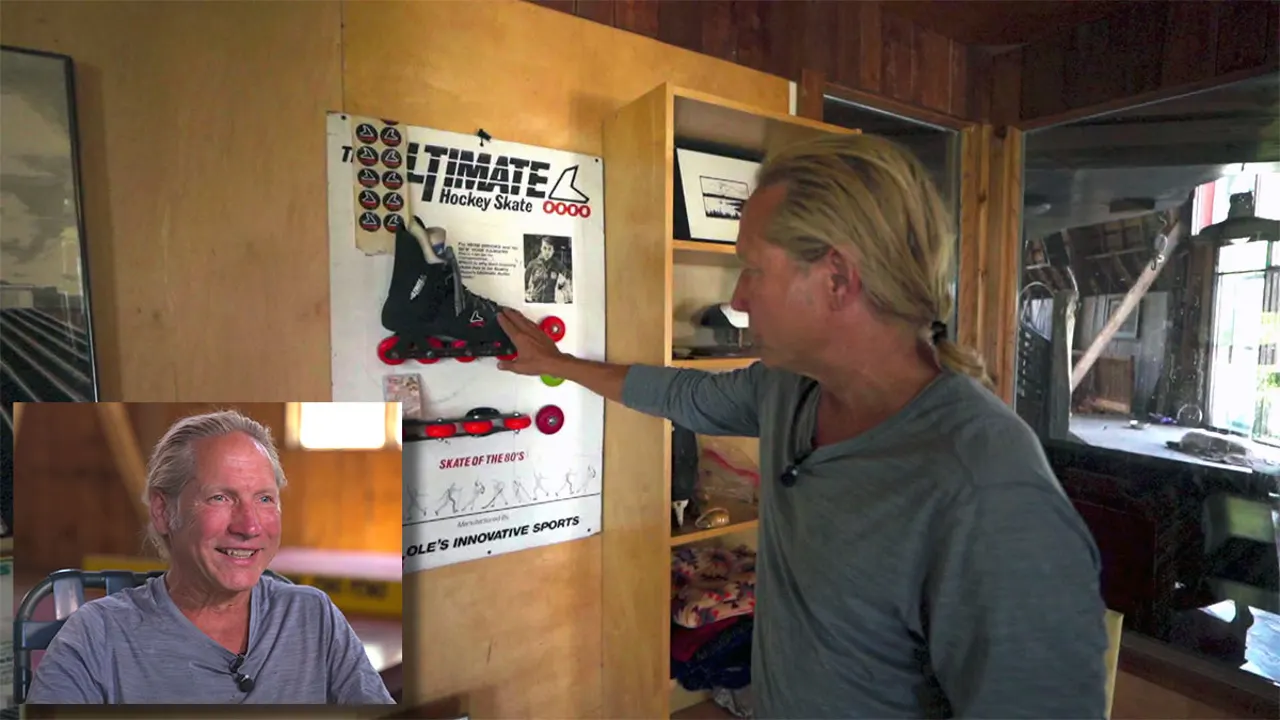
A pair of old inline skates found in Minneapolis in 1979 became the seed of a much bigger change in roller skating. Scott Olson and his brother Brennan are credited as among the first developers of a commercially viable inline skate, and that mattered because it gave the sport a new feel, a new market, and a new identity.
Inline skating had a long runway before Olson
The Olson story sits inside a much older idea. EBSCO Research Starters says the first inline skates were patented by the French inventor Petitbled in 1819, but those early models struggled with maneuverability and turning. ThoughtCo pushes the origin of inline skating even farther back, to the 1700s, which makes the Olson breakthrough less like a sudden invention and more like the moment the concept finally became practical.
That history matters because roller skating already had its own development track through the quad skate. James Leonard Plimpton improved roller-skate control with a design that helped shape modern skating, so the sport did not move in a straight line from one invention to the next. Olson’s place in the story is different: he did not create the first wheels in a row, he made that layout useful enough for a real audience.
What Olson’s inline design solved
The big problem was not the sketch of the idea. It was the gap between a neat concept and a skate people would actually buy and use. A Twin Cities Business podcast description says Scott Olson improved a design that had virtually no market traction and turned it into an international fitness phenomenon.

That distinction explains why inline skates changed how roller skating felt. The inline setup looked and moved more like an ice skate in motion, which gave skaters a forward-driving stride and longer glides instead of the flatter, more side-to-side feel many people associated with traditional quads. Olson and Brennan were not chasing novelty for its own sake. ThoughtCo says they built Rollerblades to help hockey players train during the off-season, and Rollerblade’s own history says the brothers wanted to skate year-round. In other words, the design solved a training problem first, then became a recreation breakthrough.
That ice-like motion opened the door for speed skaters, fitness skaters, and later freestyle and aggressive skating. Once the skate could carry pace and rhythm cleanly on pavement, it was no longer just a toy or a rink accessory. It became equipment people could use to train, travel, and push harder.
From a garage-style idea to a brand name everyone knew
Rollerblade became the name that swallowed the category. Company histories place Rollerblade, Inc. in Bordentown, New Jersey, founded in 1982 under the name Ole’s Innovative Sports, and describe the company as the force that established a sport and fitness craze that became synonymous with its name. That kind of brand takeover is rare in sports equipment, but it happened here because the product solved a real use case and hit at the right time.
The dates around the Olson story line up as a progression. Rollerblade’s own social history says Scott and Brennan Olson created Rollerblade in 1980, driven by the wish to skate in the off-season and year-round. Company histories then place Rollerblade, Inc. as a formal company in 1982. Minnesota Public Radio’s 1995 interview identifies Scott Olson as the inventor of Rollerblades and Rowbike, which shows how closely his name became tied to the category itself.
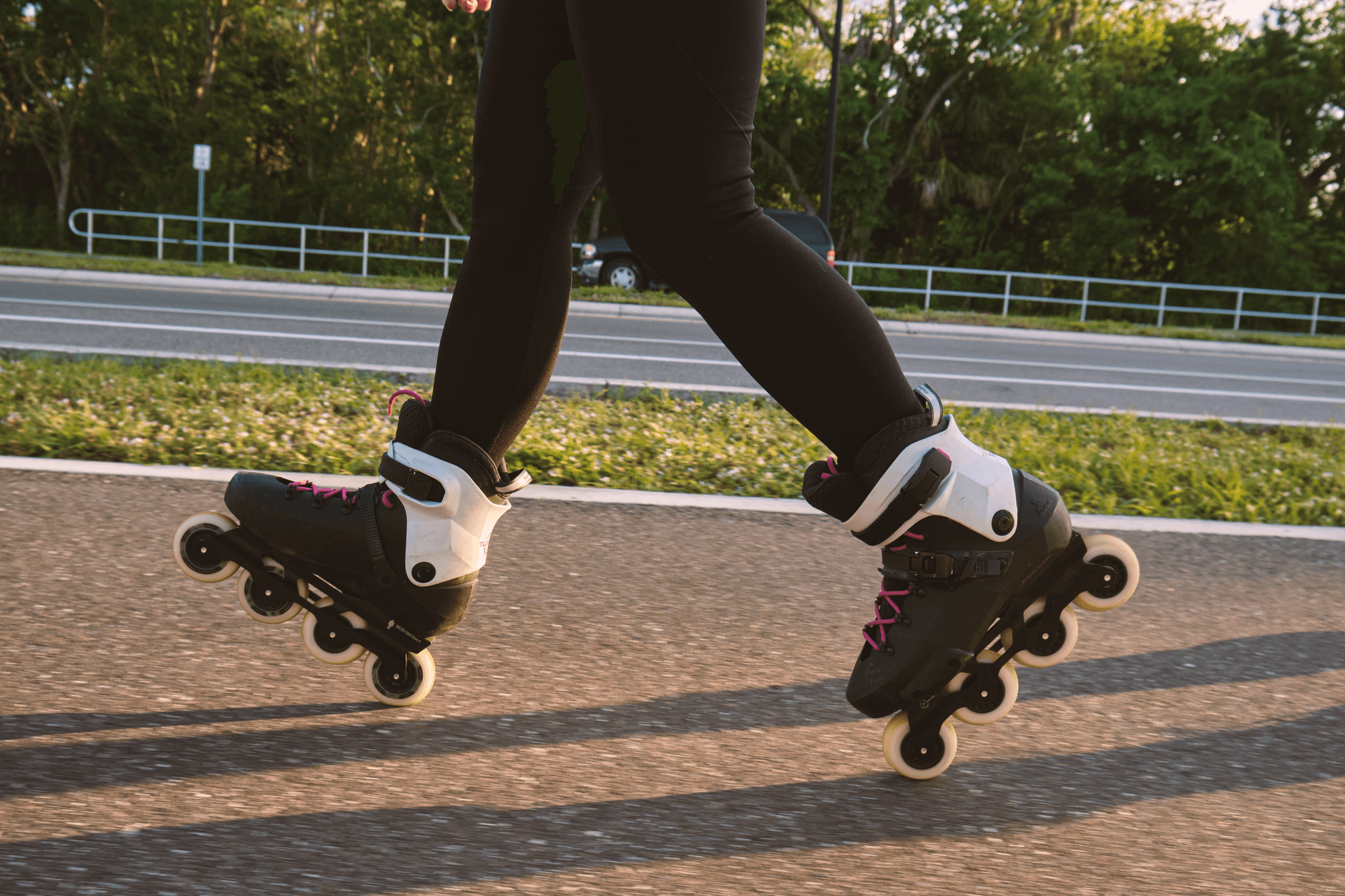
By the time the 1990s arrived, inline skates were “all the rage,” and that boom was not just about fashion. It reflected a deeper equipment shift, one that made skating feel faster, more athletic, and easier to plug into everyday fitness. The buzz quieted later, but the category had already done its work: it made roller skating visible again.
Why the inline turn changed roller skating itself
The real inflection point was not that skaters got a new look. It was that inline skates changed the sport’s mechanics and its audience at the same time. They made skating feel closer to ice, which helped hockey players cross over into dry-land training, and they made speed and distance feel more natural for casual skaters who wanted exercise rather than rink choreography.
That is why Olson belongs in any serious history of roller skating. He stands at the point where a long, uneven invention trail finally became a mainstream product, then a fitness craze, then a cultural shorthand. The old quad skate never disappeared, but the inline skate expanded what roller skating could be, and that changed the sport for everyone who stepped into a pair after him.
This article was produced by Prism’s automated news system from verified source data, official records, and press releases, then run through automated quality and moderation checks before publishing. The system is built and supervised by the people who set the standards it runs under. Read our full AI policy.
Did this article answer your question?