Three-city roller skating race tests speed and adaptability
Three cities, three runways, three days: the Trophée des 3 Pistes turns speed skating into a test of recovery, tactics and consistency.
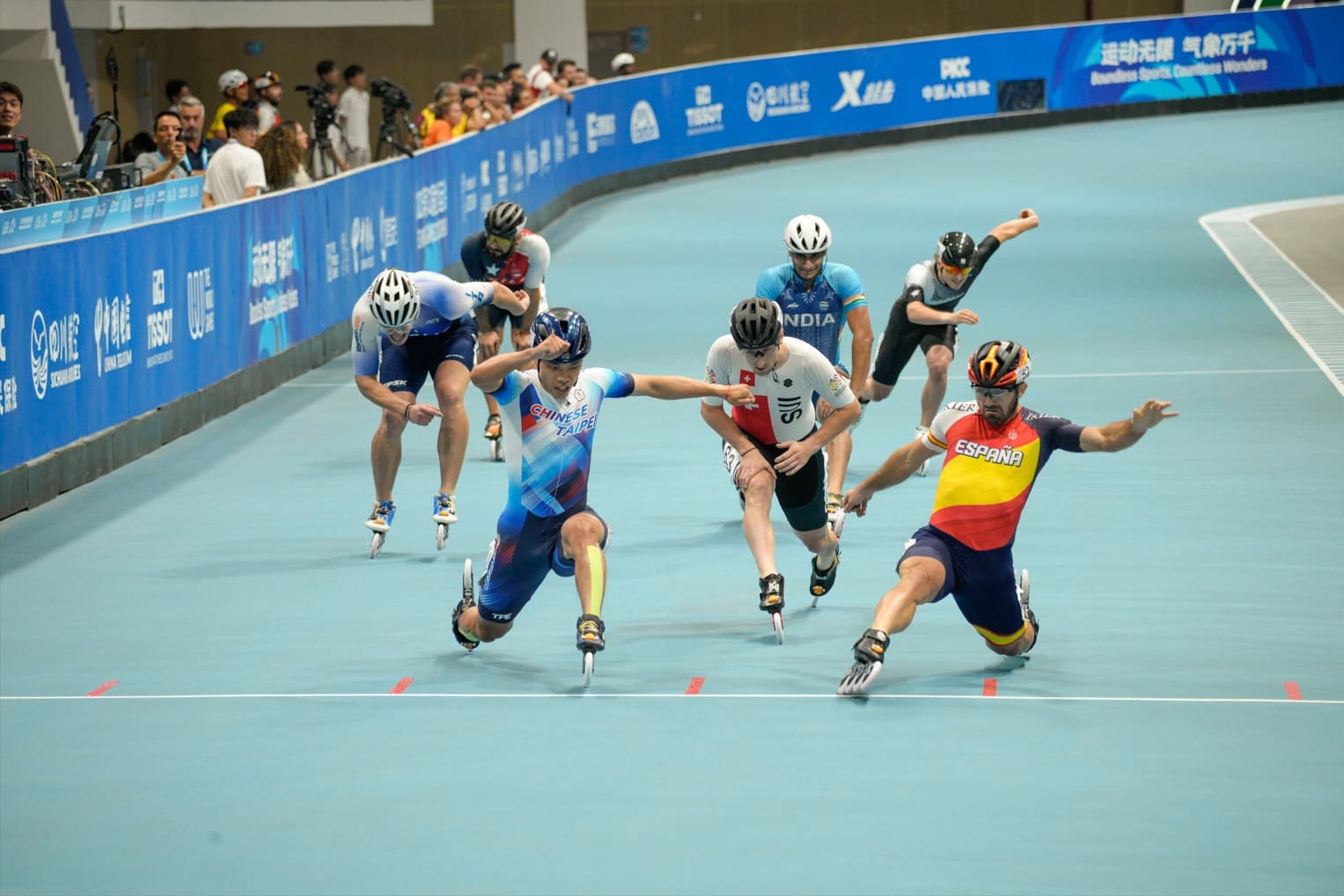
Three cities. Three separate runways with banked curves. Three days of racing. The Trophée des 3 Pistes asks speed skaters to prove they can do more than blast through one perfect oval, and that is why the meet has held its place for 27 years in roller speed skating’s calendar. World Skate says roughly 1,000 skaters from four continents make the trip to the sunny south of France each year, turning the event into a global reference point rather than a local stop.
Why the format changes the race
The three-site structure is what gives the event its edge. Skaters do not get the comfort of settling into one course and repeating the same rhythm all weekend; they have to move from venue to venue, adapt to different surfaces and curve profiles, and do it while the body is carrying the fatigue of repeated high-intensity efforts. That makes recovery part of the competition itself, not just the downtime between heats.
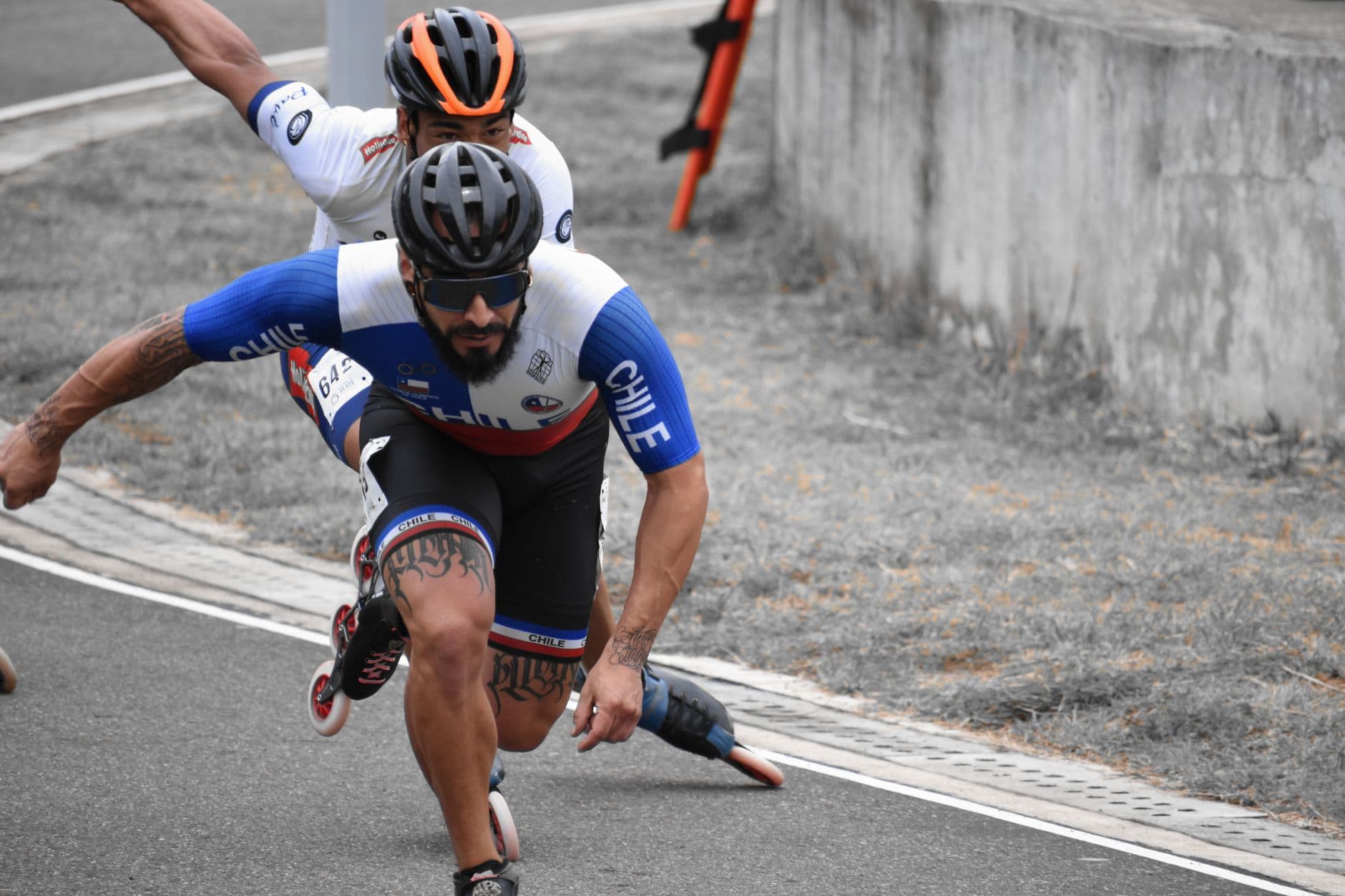
On a standard meet, the fastest line and the best start can carry a skater a long way. At the Trophée des 3 Pistes, consistency matters just as much. A sprinter who can own one runway may lose time if the next set of banked curves demands a different balance point. A marathon specialist who reads the pack well still has to bring enough acceleration to stay in contention when the course changes underfoot.
Equipment decisions matter here too. Wheel choice, frame setup and comfort on the turns can shift from city to city, and that forces teams to make quick technical adjustments without losing focus on the next start. The format rewards skaters who can keep their speed while recalibrating tactics on the fly.
A global field in the south of France
The meet’s reach is part of what makes it culturally important to the sport. Four continents are represented in a race held in the south of France, which is a clear sign that speed skating’s strongest circuits are international and deeply connected. The event is not built around one nation’s domestic scene; it draws athletes who travel specifically to test themselves in a format that exposes weaknesses quickly.
That is also why the Trophée carries prestige beyond its schedule slot. Banked-curved racing compresses the margins between raw pace, technical control and stamina, so the event works as a kind of stress test for the sport’s best skaters. It is the sort of meet where a narrow mistake in turn entry, a poorly timed surge or a fading final lap can rewrite the standings across three days rather than one afternoon.
The location reinforces the atmosphere. The sunny south of France has become the backdrop for a race that mixes long travel, multi-city logistics and high-level competition, which is exactly the kind of environment that reveals who can stay sharp over a full route. In that sense, the Trophée is less a single race than a moving examination of how elite skaters handle change.
What the 2025 materials show about the event
The 2025 event materials are labeled “TROPHEE DES TROIS PISTES 2025,” and they make clear that the meet is organized with traveling teams in mind. One reservation form for European clubs sets a closing date of 24 March 2025, a useful marker for delegations planning transport, lodging and equipment across the three-city route.
The practical setup is unusually complete. The event information includes free camping pitches on the three competition sites, which points to a race designed around mobility and extended stays rather than a quick one-venue visit. That matters for clubs moving skaters, staff and families through several stops, because overnight logistics are part of the challenge when the competition itself is spread across three locations.
The site also separates race information, regulation and awards and prize-money pages. That structure matters because it shows how formal the event is: the racing is governed by clear rules, the categories are laid out in advance, and the rewards are specified rather than improvised. For a meet with international traffic and a long-running reputation, that level of organization is part of the reason teams keep returning.
What makes the race worth following
The appeal of the Trophée des 3 Pistes is that it asks for a broader skill set than a single fast lap. Over three days and three cities, skaters have to manage effort, recover well, and make smart choices as the setting changes around them. The event rewards athletes who can win one day, reset overnight and still be decisive when the next runway demands a different answer.
That is why the race has become such a durable proving ground in roller speed skating. It keeps the sport’s core questions in view: who can adapt fastest, who can handle the workload, and who can stay consistent when the course is never quite the same twice.
This article was produced by Prism’s automated news system from verified source data, official records, and press releases, then run through automated quality and moderation checks before publishing. The system is built and supervised by the people who set the standards it runs under. Read our full AI policy.
Did this article answer your question?