Track vs road: how inline speed skating course rules work
Inline speed skating splits into track, road and marathon, and the 30-centimetre rope line decides who owns the rail.
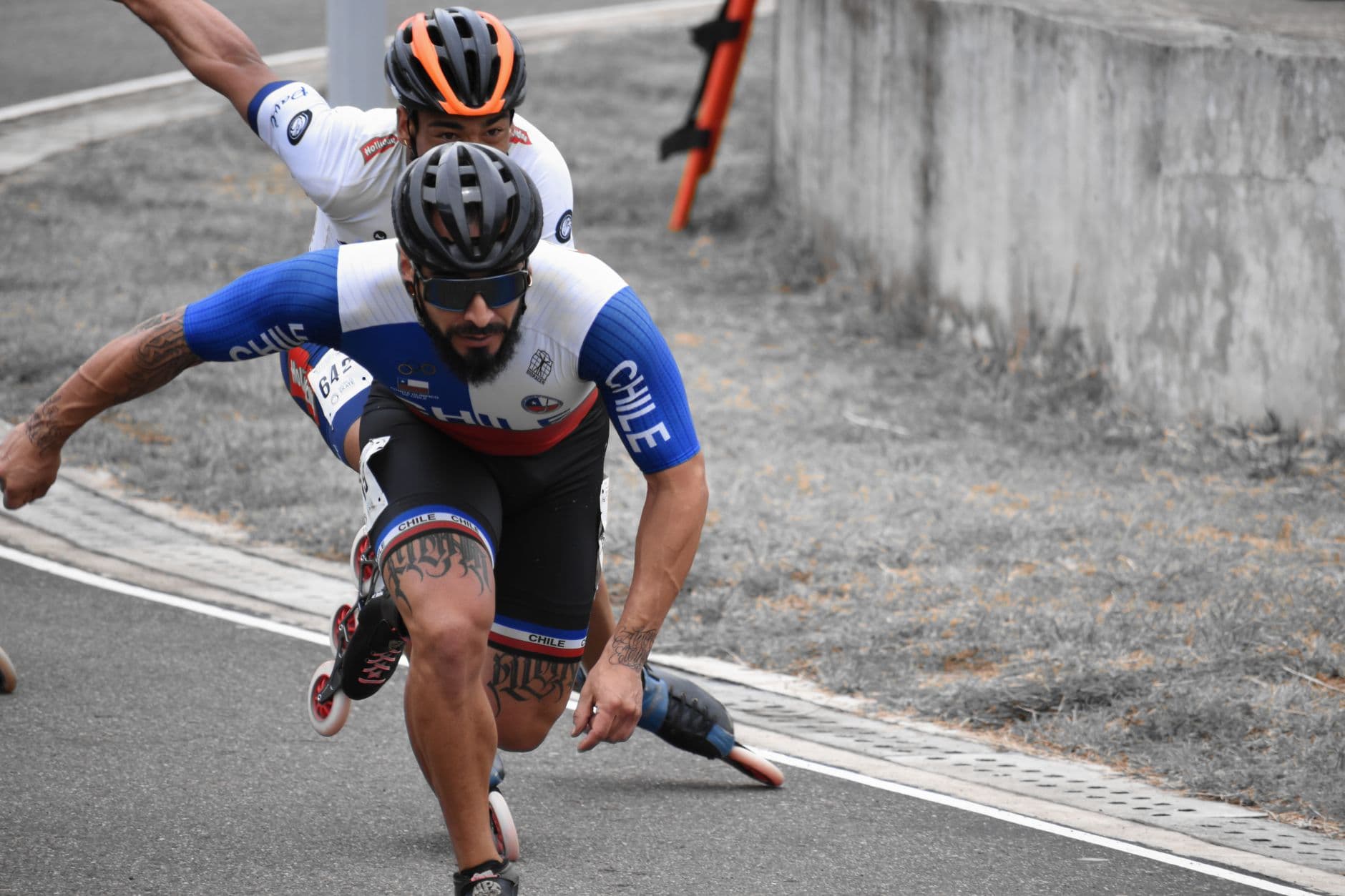
Inline speed skating becomes much clearer once you stop treating every race as the same kind of sprint. World Skate’s C.I.C. sport regulations split the sport into track and road courses, and on road they fix the legal line 30 centimetres from the inner edge, a lane marker they call the “ROPE.” That one rule explains why some races reward repetition and line discipline while others reward patience, pack reading and the timing of a late move.
Track, road and the rope line
On a track, the loop is controlled and predictable. That structure favors skaters who can repeat a pace, hold a clean line and accelerate at the exact moment a gap opens, because the race keeps returning to the same corners and the same rhythm. Road racing is different from the moment the course leaves that closed loop, because the regulations allow a road racecourse to be either an open circuit or a closed circuit.
The rope line is where the tactical battle gets concrete. By measuring the racecourse 30 centimetres from the inner edge, World Skate turns the inside lane into a legal corridor that affects how skaters draft, where they can pass and how the pack forms around the rail. That is why the fight for the front row is not just vanity or nerves, it is a bid to control the shortest path and force rivals to race wider than they want.
Why course design changes the result
A track race usually compresses the action. The distances are shorter, the turns come fast and the field has fewer opportunities to hide, so a skater with sharp split-second acceleration can make one move count. The same athlete can look less overwhelming on road if the circuit opens up, because longer straights, tighter corners, surface changes and wind exposure all change the energy budget.
That difference is exactly why fans misread results when they flatten inline racing into one category. A skater who dominates a track race by living on the rope can be forced into a different job on a road circuit, where the course itself becomes part of the tactics and the pack can fragment after a corner, a rise or a stretch into the wind. In an open circuit, the athletes are often managing position as much as speed, because once the field strings out, the chance to recover from a bad choice shrinks fast.
The rulebook language matters here because it explains what viewers should watch for. On track, the key tells are cadence, lane control and whether a skater can defend the inside without burning too much energy. On road, the real signals are whether someone is sitting comfortably in the pack, whether the field is being stretched by the terrain and whether a rider is waiting for one decisive attack rather than trying to win every exchange.
Where marathon fits
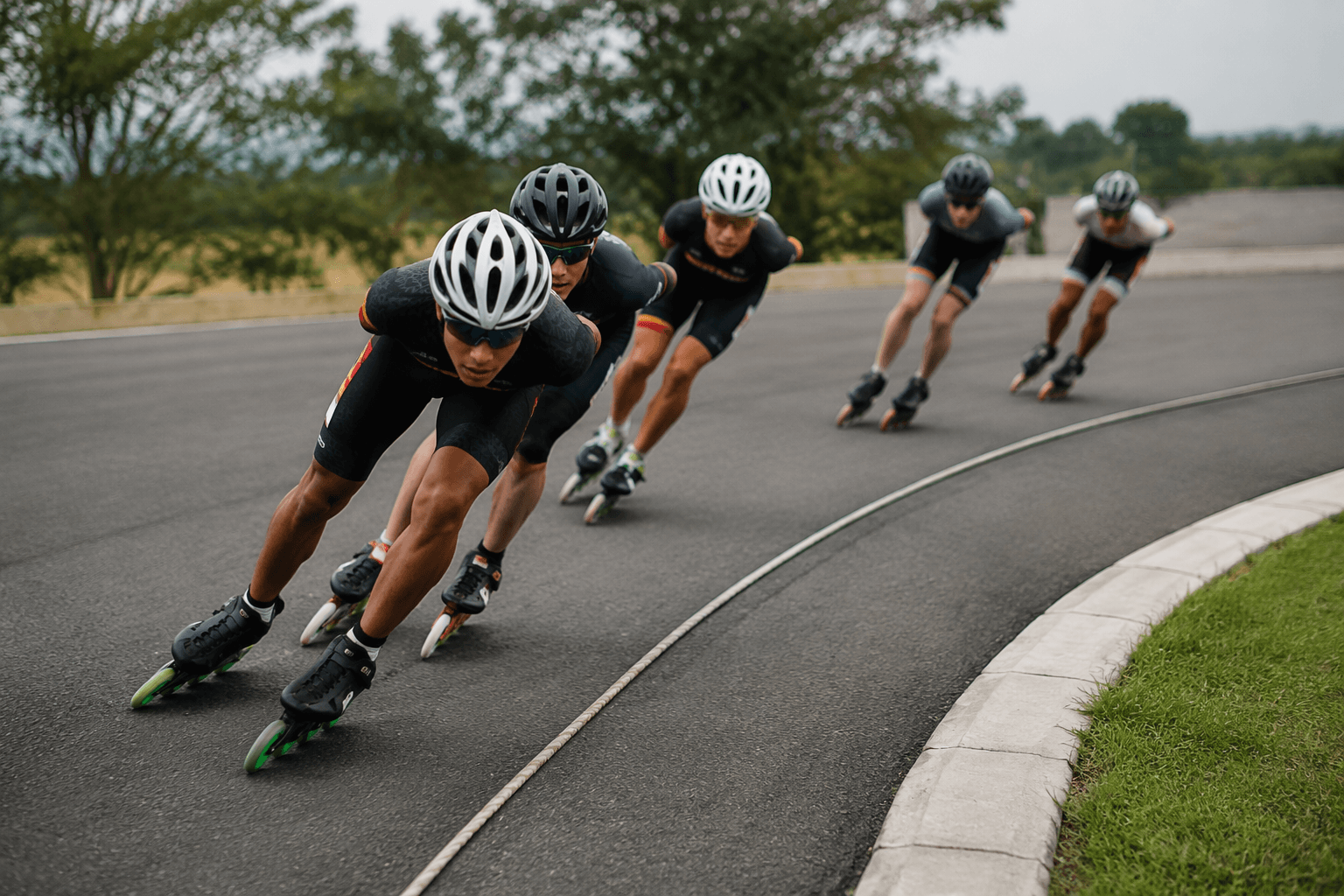
Marathon skating is not just a longer version of track racing. World Skate’s own news pages classify marathon as a distinct discipline within speed skating, and the federation has pushed it further by creating the World Skate Marathon Tour. The first-ever season of that tour officially launched in 2025, and the 2026 materials describe a new season and a new format, which shows how seriously the sport is treating marathon as its own product and not as an afterthought.
That matters for race reading because marathon tactics are built around endurance, positioning and timing over a much longer effort. The same rope-line instincts still matter on road, but the longer the distance, the more riders have to decide when to conserve, when to cover an attack and when to spend energy for one move that can last. In marathon, the decisive moment often comes from reading the flow of the group rather than from pure top speed.
The rulebooks keep separating the disciplines for a reason
World Skate’s 2025 Speed Rulebook and 2026 Speed Rulebook continue to organize speed skating around track, road and marathon competition formats. World Skate Europe’s 2023 speed technical commission rulebook also separates track and road competition rules, and its 2025 edition goes further by structuring speed skating around track, road and marathon sections. That steady separation is a sign that course type is not a side note, but the framework that defines how athletes prepare and how officials judge the racing.
This is also where the sport’s history helps explain the modern rules. The Inline Speed Skating World Championships are described as having been inaugurated in 1937, which means officials have spent decades standardizing wildly different venues into something comparable. World Skate’s 2018 track-layout update shows that the technical work has continued, with layout standards still being adjusted as the sport evolves.
For readers, the takeaway is practical. When a result looks surprising, the first question should not be who had the best legs, but what kind of course decided the race. Track rewards rhythm, inside control and compact acceleration; road rewards adaptation, patience and a sharp read on the pack; marathon rewards endurance and timing under pressure. Once you see the rope line and the course format for what they are, the race stops looking random and starts looking like a chess match at full speed.
This article was produced by Prism’s automated news system from verified source data, official records, and press releases, then run through automated quality and moderation checks before publishing. The system is built and supervised by the people who set the standards it runs under. Read our full AI policy.
Did this article answer your question?