World Skate launches 2026 Artistic World Cup, begins new era
World Skate’s 2026 Artistic World Cup stretched across 3 stops on 2 continents, ending in Cesena with more than 800 athletes from 25 countries.
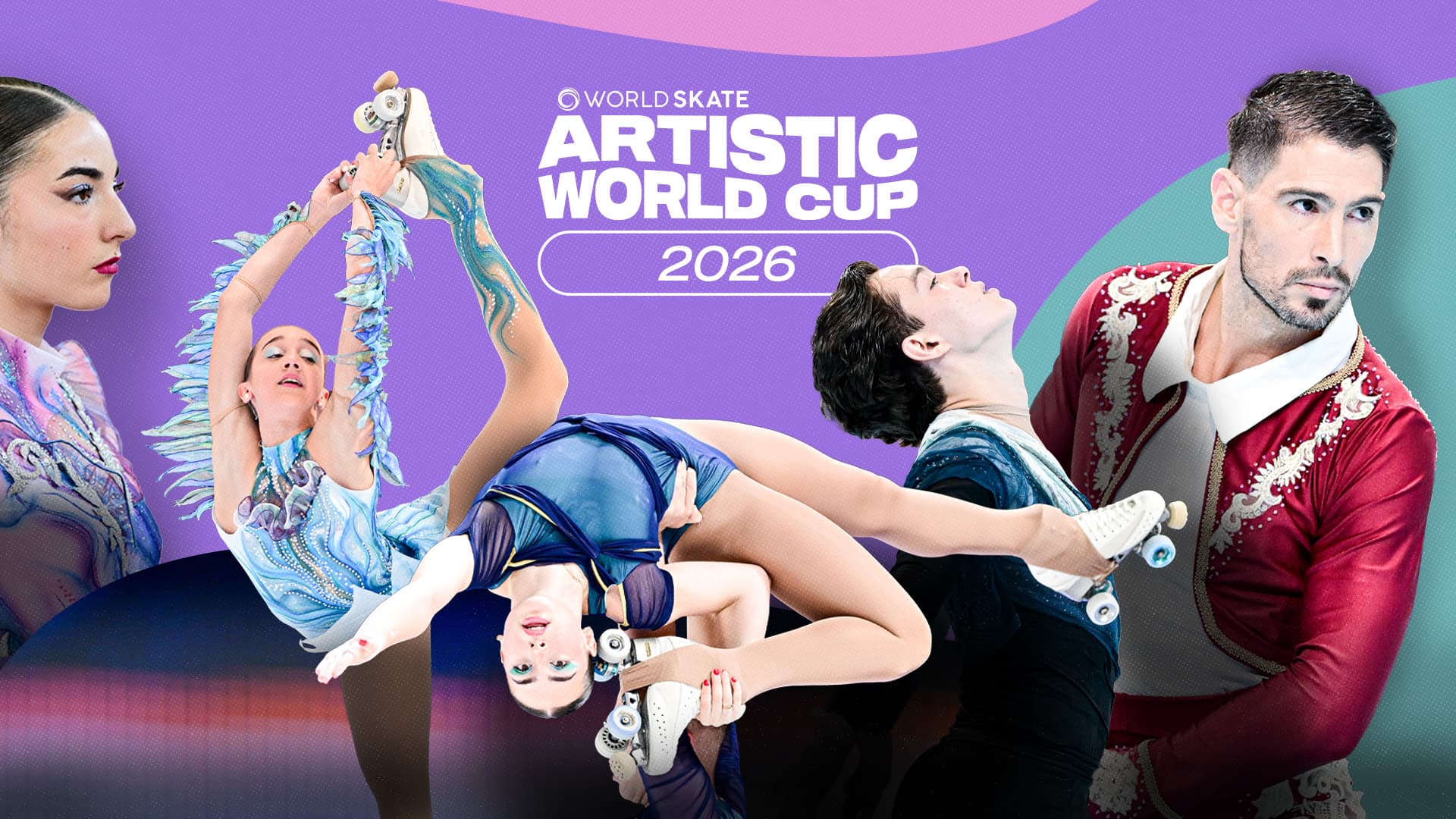
World Skate launched its 2026 Artistic World Cup under a headline that said exactly what it was trying to do: “a new era begins for Artistic Skating.” The opening stop in Buenos Aires, Argentina, kicked off a series built around three stops, three countries and two continents, with the final set for Cesena, Italy, from 26 May to 7 June at Pala BCC Romagnolo.
That structure matters because artistic skating does not live on hype alone. It lives on pathways, on rankings, on how skaters are moved from one stage of the season to the next. By turning the World Cup into a multi-stop circuit, World Skate gave the discipline something closer to a traveling international season than a one-off showcase, and that changes how federations, coaches and athletes plan the year.
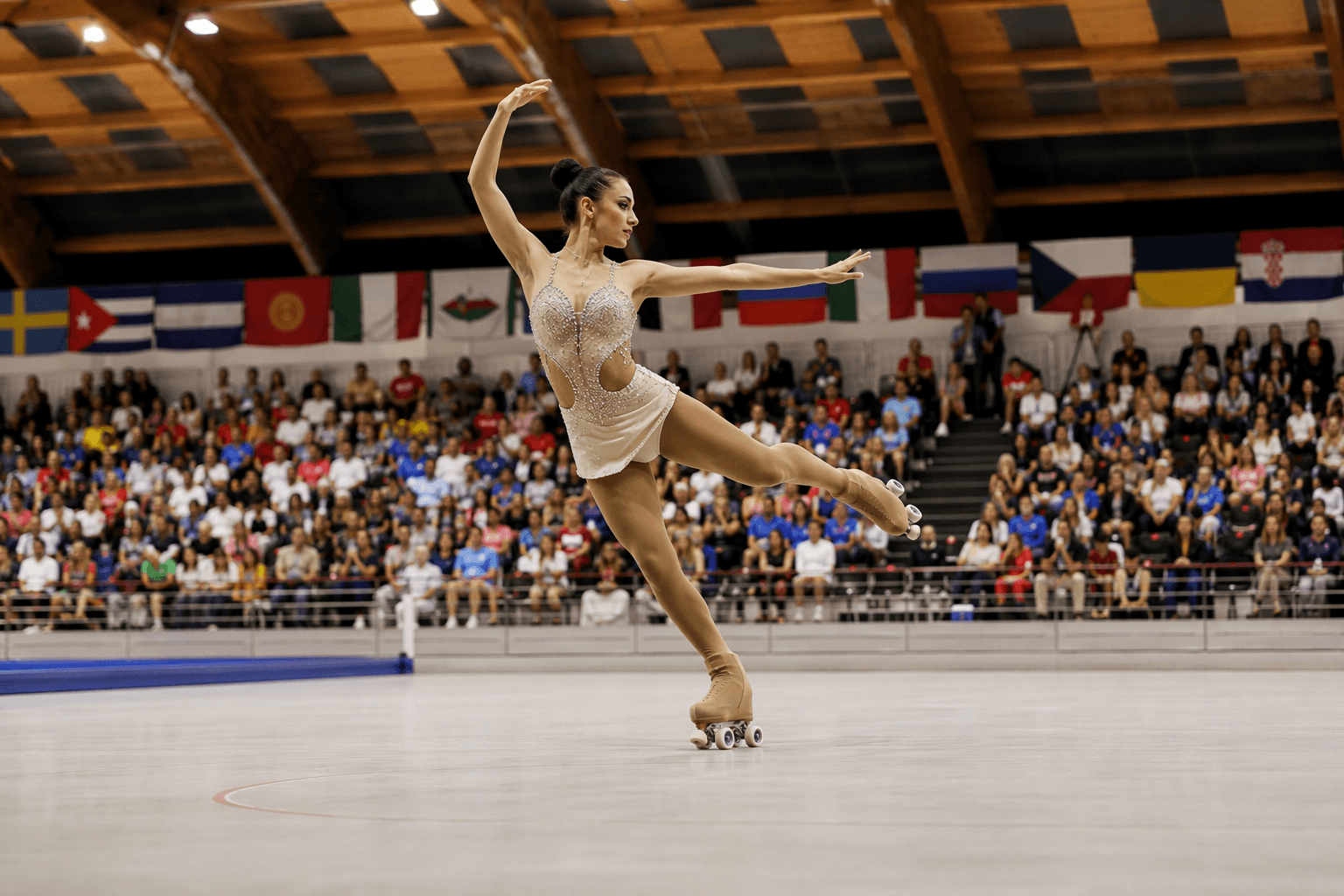
The numbers around the Cesena final underline the scale of the push. World Skate said more than 800 athletes from 25 countries would compete in the final, while another federation post put the field at 480 skaters. Even with that discrepancy, the message is clear: this was not a niche exhibition. It was a large global gathering designed to give artistic skating a louder competitive footprint.
World Skate also folded artistic skating into its federation-wide 2026 calendar release, which pushed the discipline into the same broader scheduling frame as the rest of the sport. That is a useful shift for a category that has often needed cleaner presentation to stay visible outside its core audience. A unified calendar gives the World Cup more weight as a ranking and selection reference, and it gives fans a simpler entry point into the season.
This was not a total reinvention from nowhere. World Skate had already promoted an Artistic International Series in 2025, with stops in Buenos Aires, Trieste and Brasilia, and earlier artistic coverage from Trieste included media registration for a World Skating Cup event. The 2026 World Cup looks like an evolution of that structure, but with a stronger brand, a clearer final and a more explicit global ambition.
Buenos Aires set the tone, Cesena carried the payoff, and Pala BCC Romagnolo gave the series a defined finish line. For artistic roller skating, that kind of consistency is the real shift: a circuit that can shape preparation, sharpen ranking significance and make the discipline easier to follow from one stop to the next.
This article was produced by Prism’s automated news system from verified source data, official records, and press releases, then run through automated quality and moderation checks before publishing. The system is built and supervised by the people who set the standards it runs under. Read our full AI policy.
Did this article answer your question?