European Roundnet sets clear path to ETSC Basel 2026 qualification race
Basel will host a 16-team Elite race in August, with direct ETSC invites on the line at every ETS stop and roster lock set for July 13.
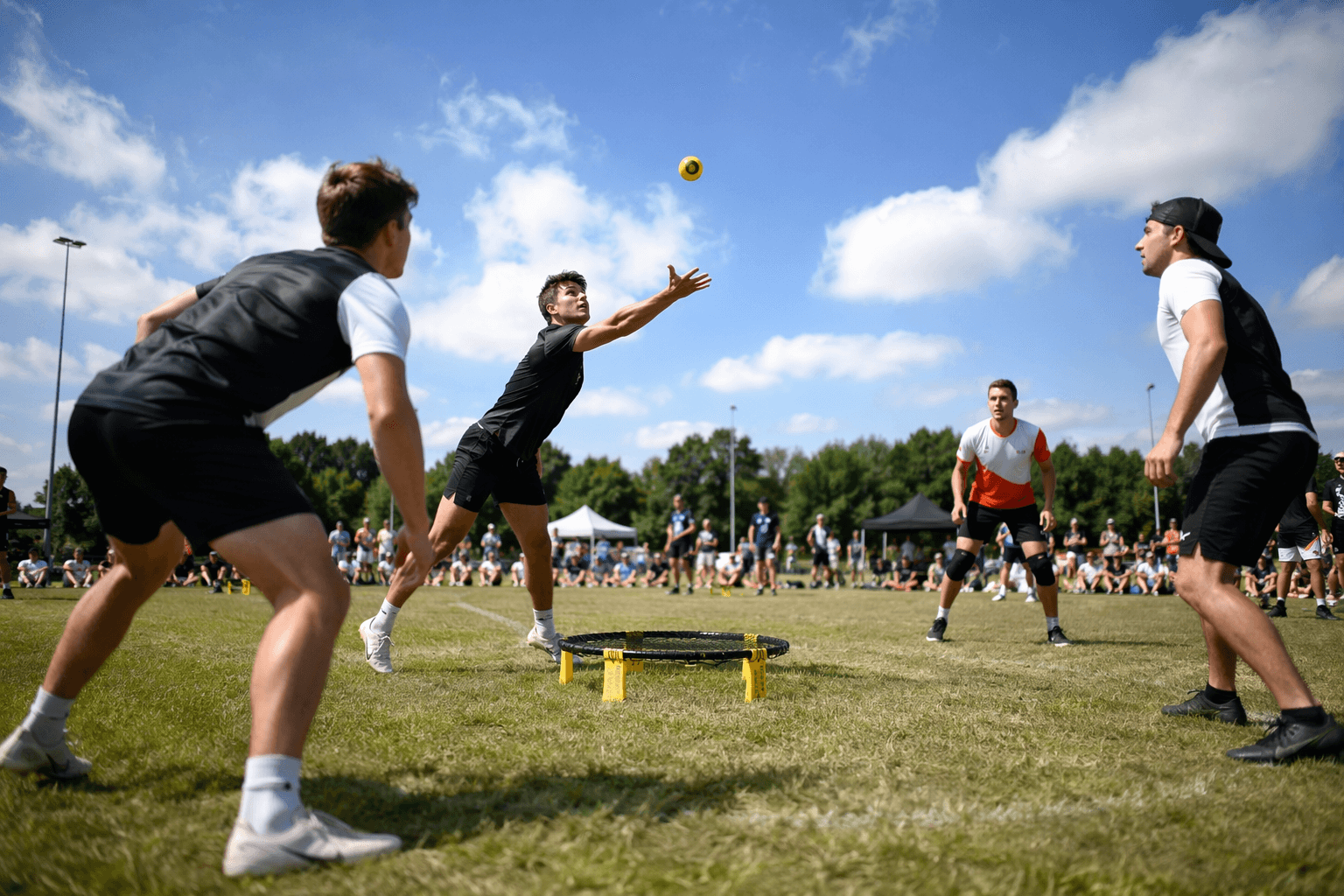
Basel now sits at the center of European roundnet’s season, because ETSC Basel 2026 will crown a fixed Elite field of 16 teams in each category and hand out the last major places through a live qualification race. The European Roundnet Association has turned Women, Open and Mix into the same high-pressure pathway: win early, stay ranked, and arrive in Basel, Switzerland, on August 8-9 with your place secured.
The clearest route is direct and immediate. At every European Tour Series stop, the top three Pro teams in each category will earn an automatic Elite invitation to ETSC Basel 2026. Those invited teams must confirm by July 12, and roster lock follows on July 13, which means the field will be set almost immediately after the final acceptance window closes. Once that lock passes, the Elite division stays fixed at exactly 16 teams.
That structure makes the 2026 ETS calendar matter from the first whistle. The season runs through Bucharest, Romania, on April 12-13, Budapest, Hungary, on May 9-10, Göteborg, Sweden, on June 13-14, and Toulouse, France, on July 11-12, before ending in Basel. Every one of those stops can reshape the championship bracket, because an elite finish in any of them can mean a direct call-up to the season finale.
For teams that miss the top-three Pro window, rankings still keep the door open. After the direct invitations are awarded, the remaining Elite places will be filled by official team rankings, while everyone else lands in Pro. EURA says the setup is meant to reward both one-weekend spikes and season-long consistency, which gives strong teams multiple ways to reach Basel without flattening the competitive ladder.
The broader registration system adds another layer of pressure. EURA opened registration on May 11, ran its first lottery on May 14, and reopened sign-up on May 15 for remaining spots. Its structured lottery is designed to give fair access to newcomers and returning players, with up to 50% of a division’s capacity reserved for New Teams in the opening stage. That makes entry into ETS less about who clicks fastest and more about how EURA balances growth with demand.
Pro status sits underneath all of it as a moving target, not a permanent badge. EURA says it must be earned through results in ETS and sanctioned competitions, and no Pro player may register for Contender. The Pro division is aimed at highly competitive players, especially those with 10-plus official tournaments and at least one international event, which gives the Basel race a clear message: the championship is not just a destination, but the proof point for Europe’s entire ladder.
This article was produced by Prism’s automated news system from verified source data, official records, and press releases, then run through automated quality and moderation checks before publishing. The system is built and supervised by the people who set the standards it runs under. Read our full AI policy.
Know something we missed? Have a correction or additional information?
Submit a Tip