Roundnet Sweden maps 2026 tour, world championship team selection
Uppsala is the pivot point in Roundnet Sweden’s 2026 map, where ranking points, club politics and Paris roster hopes collide before the tour’s final stop.
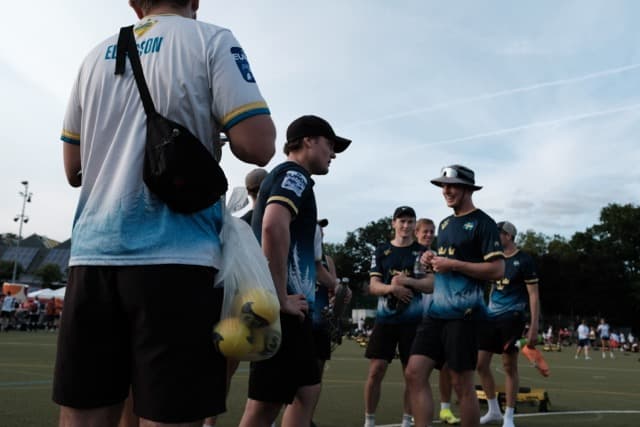
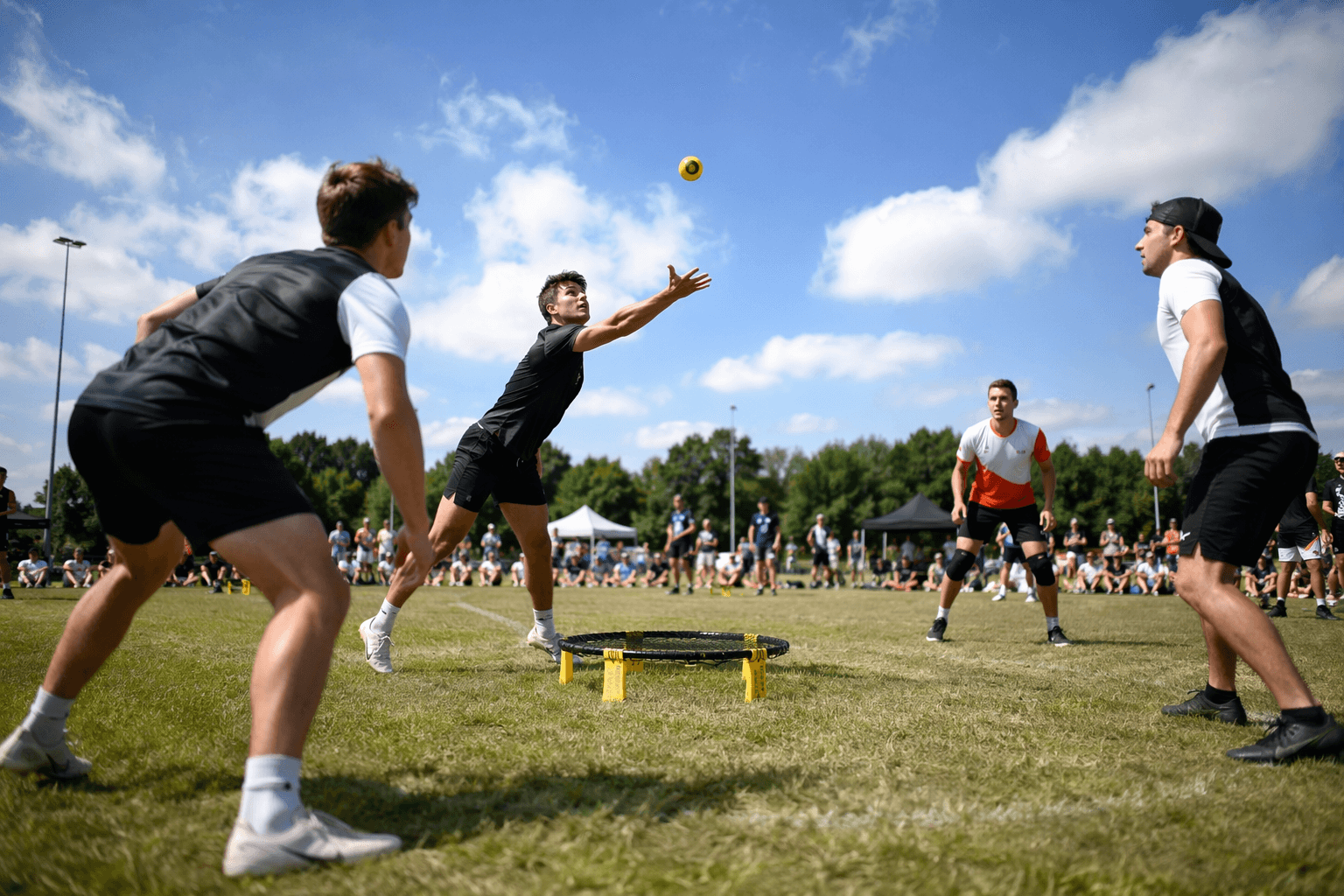
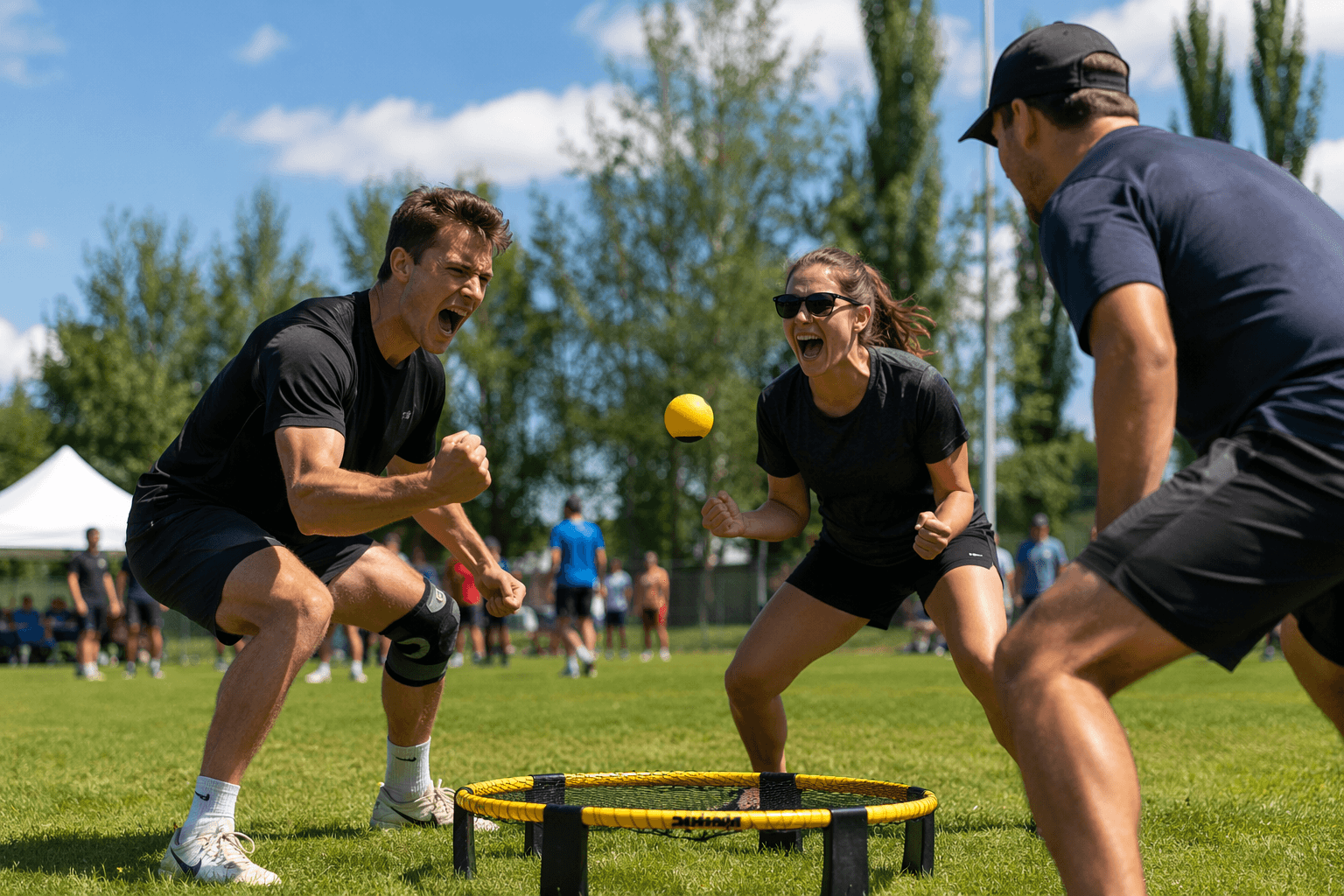
Uppsala is where Sweden’s roundnet season starts to feel like a selection race. The June 6-7 stop sits in the middle of a four-event domestic tour, but its real weight comes from how Roundnet Sweden uses it: as one of the key events that feed ranking points, shape the final picture, and help decide who gets pulled into the national-team conversation for Paris. For players chasing the roster, Uppsala is not just another weekend on the calendar. It is the place where a result can still change the script.
The tour map puts pressure on every stop, but Uppsala is the hinge. Roundnet Sweden’s 2026 schedule runs through Göteborg on April 25-26, Dalarna on May 16-17, Uppsala on June 6-7, and Stockholm SM 2026 on September 19-20. The federation’s own framing makes the season bigger than individual brackets: it is a qualification path, a points race, and a national-team evaluation rolled into one. That matters because the Uppsala stop lands right in the middle of the year’s competitive flow, when players have already put one result on the board and still have another major chance to position themselves before the tour is over.
The point system is designed to reward both form and depth. Only the two best results from the Göteborg-Dalarna-Uppsala sequence count toward a player’s ranking points, which turns those three events into the core of the domestic race. The system also uses a multiplier that rises when more top players enter a tournament, and international players can push that multiplier higher if they finish well enough. In practice, that means Uppsala is not just about winning matches in the moment. It is also about strengthening a player’s point total in a field that can change in value depending on who shows up.
That is why the selection process carries so much weight. Roundnet Sweden says the national-team roster will be decided by a committee made up of one trusted representative from each club. The committee is instructed to weigh ranking points, individual skills, and sportsmanship, which gives the process a blend of math and judgment that is rare for a small federation. Roundnet Sweden used the same basic committee model for its 2025 EM selection, and then said the committee would meet as soon as possible after the final tour stop to set the team. The 2026 structure follows that same philosophy: points matter, but they are not the only thing that matters.
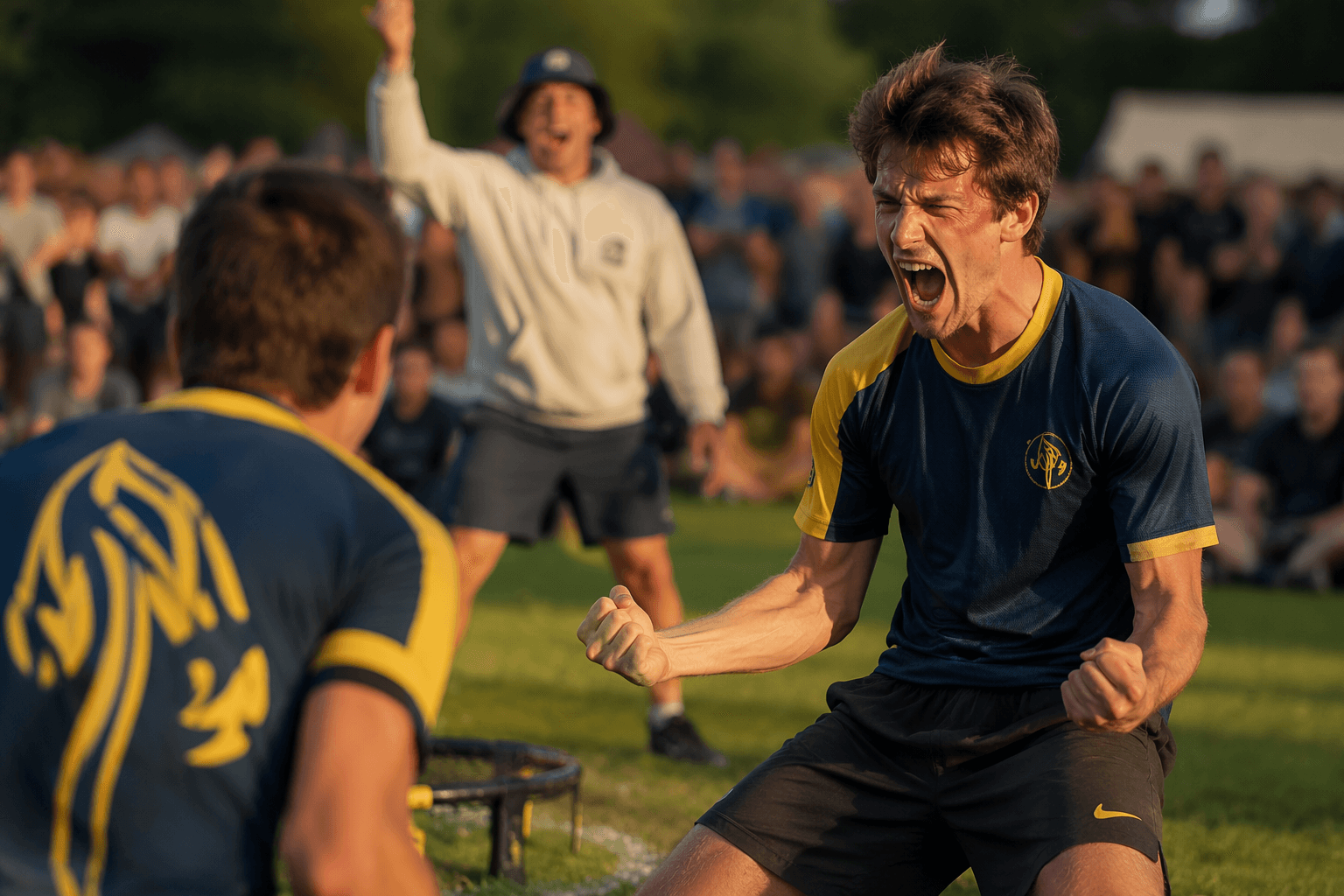
Uppsala therefore becomes the clearest audition stage before the roster comes together. Because the committee can look beyond the numbers, the stop rewards players who are not only producing results but also showing they can hold up in a championship environment. The mention of video review for important matches adds another layer: strong performances in Uppsala can do more than earn points, they can create the kind of evidence a selector wants when comparing players separated by only a few details. For anyone trying to crack the team, that makes every serve, block, and clutch rally carry extra value.
The Paris date gives the domestic tour even more tension. The 2026 World Championship is set for September 2-6 at Parc du Tremblay in the Paris area, and the International Roundnet Federation says athletes must meet eligibility rules that start with permanent residence in the country before the beginning of 2026. It also bars anyone who has represented another country at an international event in the last 36 months from switching allegiances. Those rules narrow the field before Sweden even gets to the committee table, which makes the domestic ranking path even more important for players who are eligible and active inside the Swedish system.
Sweden’s club map shows how concentrated the sport still is. Roundnet Sweden currently lists four clubs in the country: Roundnet Gothenburg, Uppsala Roundnet Club, Stockholm Spike, and Roundnet Dalarna. That small footprint explains why the committee is built around club representation and why local ecosystems matter so much to the national team pipeline. Uppsala Roundnet Club describes itself as a recently started club that meets regularly for Spikeball and Roundnet, while Stockholm Spike calls itself the largest roundnet community in Sweden. Together, those details show a sport still driven by a tight network of clubs, organizers, and repeat competitors.

For Uppsala, the practical stakes are sharper than the calendar would suggest. The stop sits after Göteborg and Dalarna, which means it can validate a player’s early-season work or rescue a campaign that needs one more top finish inside the two-result scoring rule. It also arrives before the final domestic event in Stockholm, giving players one more chance to stabilize their position before the season’s ranking and selection picture closes in. Even with Stockholm SM 2026 listed for September 19-20, after the Paris Worlds window, the tour page’s structure makes clear that the spring and early-summer events are where the real selection momentum is built.
That is the larger story behind Roundnet Sweden’s 2026 plan. The federation is trying to make the road to Worlds legible: clubs feed the tour, the tour feeds the ranking, the ranking feeds the committee, and the committee feeds the team. Uppsala sits at the center of that chain because it is both a scoring opportunity and a test of whether a player belongs in Sweden’s strongest conversation. If the season is about proving who can represent the country in Paris, Uppsala is the weekend where that proof starts to harden.
This article was produced by Prism’s automated news system from verified source data, official records, and press releases, then run through automated quality and moderation checks before publishing. The system is built and supervised by the people who set the standards it runs under. Read our full AI policy.
Know something we missed? Have a correction or additional information?
Submit a Tip