Roundnet’s TV-friendly format fuels the sport’s rapid growth
Spikeball broke through because TV could explain it in one line, and Shark Tank turned that clarity into a consumer story that drove adoption.
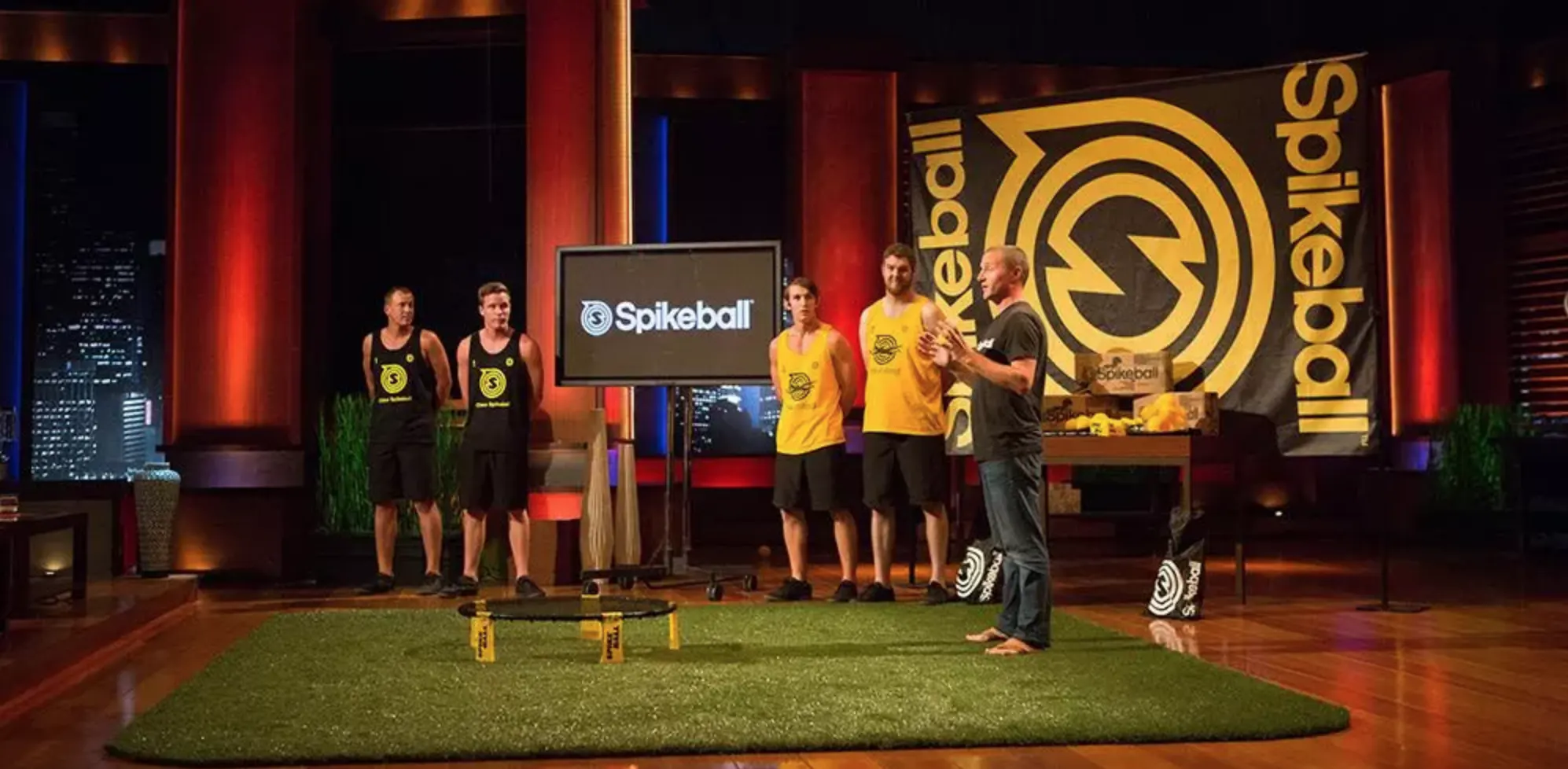
“4 players, 3 hits, 2 teams, 1 ball.” Spikeball’s ESPN2 page sums up roundnet in a line that does most of the work for you. That shorthand is the reason the sport travels so well on television and in highlight clips.
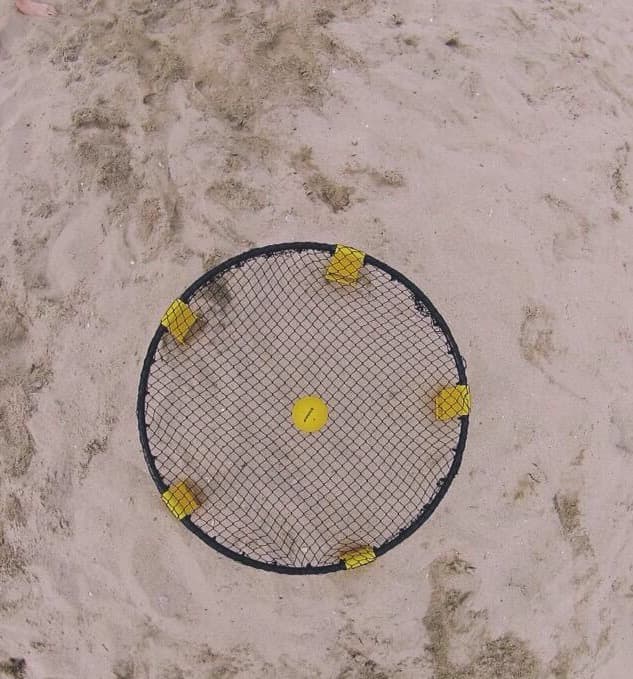
The action is compact and legible. Two-player teams circle a round net, the server starts the point by hitting the ball off the net, and the rally unfolds in a tight space where every touch matters. There is no clutter on the screen, no sprawling field to decode, and no long setup before the payoff. A viewer can lock in on the ball immediately, follow the sequence, and know exactly when a point turns from controlled to chaotic.
Why the broadcast package works
Roundnet succeeds on TV because its rules line up with the way people actually watch sports now. The rallies are short enough to create constant movement, but long enough to build tension inside a single point. That means the camera can stay tight without losing the plot, and the sport delivers a clean ending often enough to keep casual viewers from drifting away.
The visual geometry helps too. Four players around one net creates a natural frame that is easy for a director to shoot and for a first-time viewer to read. A serve, a scramble, a set, and a spike can all happen in a few seconds, which turns the sport into a sequence of obvious decisions instead of a wall of motion.
Under the 2020 Spikeball Roundnet Association rules, roundnet is played by two teams of two players, and the server starts each point by hitting the ball off the net. Once the serve is in, the rally becomes a fast test of touch, placement, and teamwork.

Shark Tank turned the game into a consumer product
The other reason Spikeball spread so fast is that it was never only a sport. It was a piece of hardware with a simple pitch, and Shark Tank gave that pitch a national stage. The company’s appearance aired on May 15, 2015, in Season 6, Episode 29, with founder Chris Ruder asking for $500,000 for 10 percent equity, a request that implied a $5 million valuation.
Roundnet did not need a stadium to grow. It could be sold, unpacked, and played in backyards, parks, beaches, and campuses with very little setup. Sports that require major infrastructure usually need institutional help before they scale.
A game that can be pitched as a consumer item, demonstrated in a living room, and then taken outside by the buyer has a very different growth curve from a sport that depends on fields, rinks, courts, or a club membership. Spikeball’s mainstream story was built on that portability, and ESPN later leaned into the same idea with its feature, How Spikeball became mainstream.
From backyard novelty to legitimate sport
The sport’s legitimacy did not come from hype alone. It came from the fact that the format could survive multiple audiences at once: kids in a backyard, adults watching a clip, and players trying to turn a casual game into a competitive one. ESPN2’s packaging helped confirm that roundnet was not just a clever toy. It was something that could be presented cleanly, explained quickly, and still hold up when the athleticism got serious.
That combination is where tournament interest starts to make sense. If a sport is easy to understand on first contact, it becomes easier to follow in competition. If the rally is fast and the scoring is clear, a newcomer does not need weeks of context to care who won the point. In roundnet, the same features that help a first-time viewer understand a highlight also help a live crowd track the pressure of a match.
ESPN gave the sport a mainstream frame, and the June 19, 2023 How I Built This with Guy Raz listing described Spikeball as a two-on-two game with a rubber ball and a circular net. The listing traced the game back to 1989, when it was invented, and to 2003, when childhood friends revived it.
The business story behind the rise
The Shark Tank deal became part of the legend, but the business path was less linear than a clean startup fairy tale. By April 7, 2017, when Forbes published a story on the company, the $500,000 Shark Tank deal with Daymond John for 20 percent equity had already fallen apart. That kind of post-show twist usually hurts a brand narrative. In Spikeball’s case, it mostly underscored how much momentum the company had already built outside the deal itself.
As of March 2024, the company’s estimated net worth was $45.2 million and annual revenue was about $15 million, and Spikeball was still operating and serving customers.
This article was produced by Prism’s automated news system from verified source data, official records, and press releases, then run through automated quality and moderation checks before publishing. The system is built and supervised by the people who set the standards it runs under. Read our full AI policy.
Did this article answer your question?