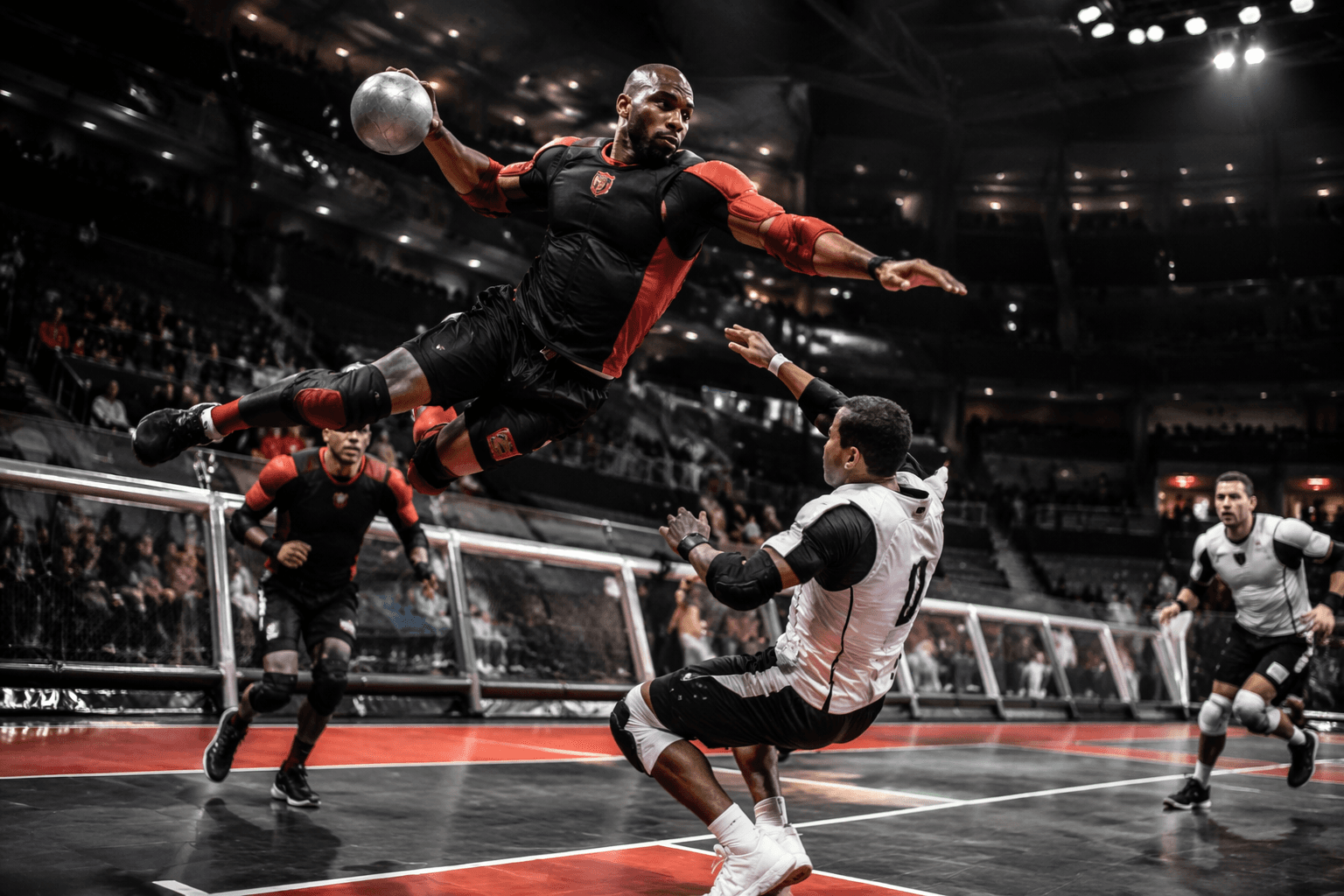
SlamBall portal seeks video proof of speed, dunking and explosiveness
SlamBall’s portal wants a five-minute reel, not a résumé, and it is hunting for speed, dunking and vertical pop in a sport that lives on contact.

SlamBall is not asking prospects to impress a scout with a handshake and a highlight tape alone. The league’s athlete portal demands at least one video link, limits each clip to five minutes, and tells applicants to show strength, athleticism, dunking, shooting and speed.
The form makes the evaluation even more specific. Applicants must provide a third-party link, not upload a file, and the acceptable platforms include YouTube, Vimeo and Hudl. It also collects the basics that matter in a talent search built around measurable explosiveness: name, email, telephone number, city, age, height, vertical jump and an athlete biography.
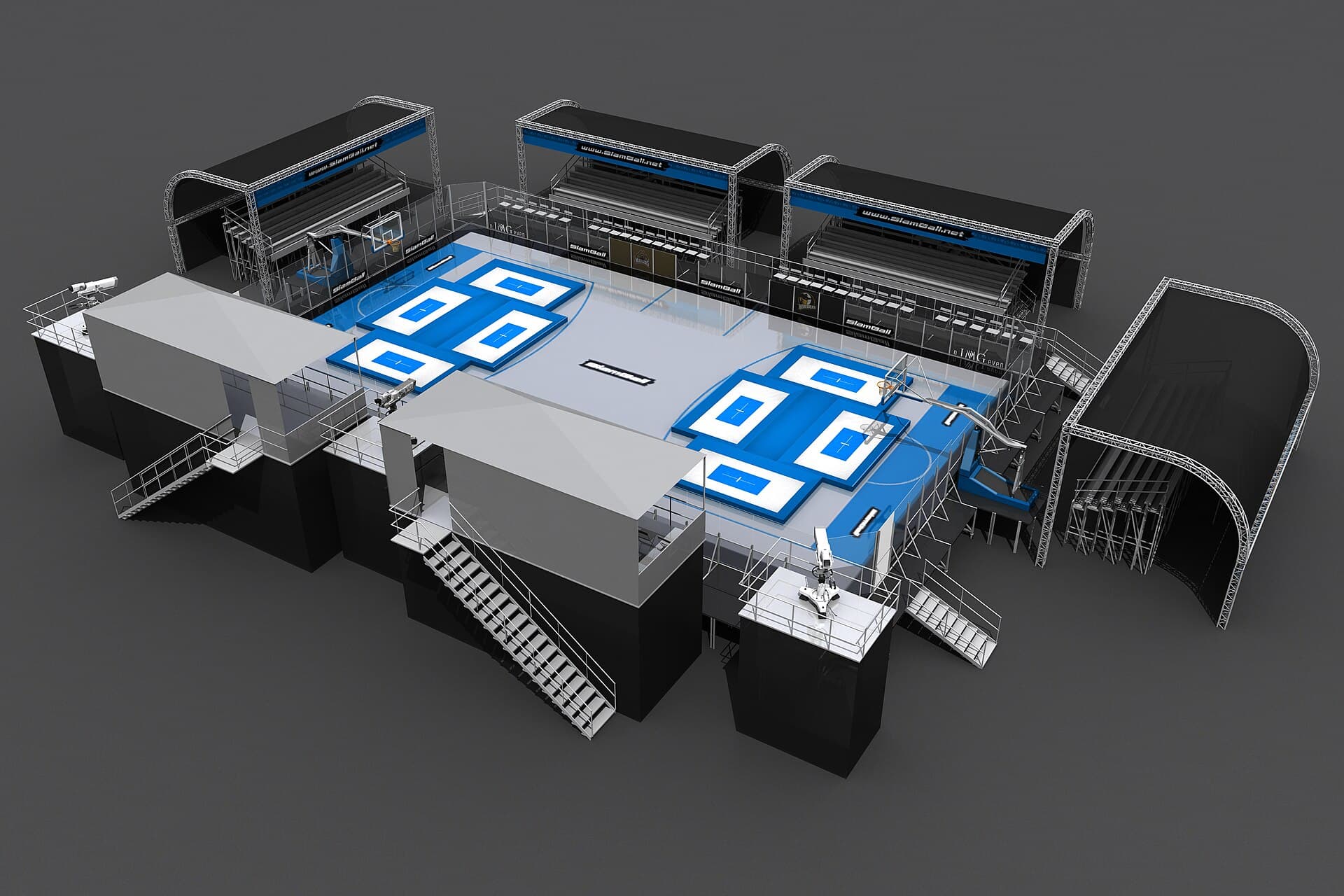
That is a cleaner read on SlamBall’s talent philosophy than any slogan could offer. This is a league built for athletes who can play above the rim and through contact, and the rulebook explains why. Games are played on a 96-foot-by-64-foot court with four springbeds, protective gear is required, and each team has four players on the floor at once with seven active players available. Substitutions happen hockey-style during play without stopping the clock, and contests are broken into four 5-minute quarters.
In that setup, the portal is doing more than taking applications. It is filtering for players whose physical tools translate in a compressed, high-speed environment where one bad landing, one late rotation or one soft finish can change a possession. A height number and vertical jump matter because SlamBall is built around airtime, but the video asks for more than leaping ability. It wants proof that a player can absorb contact, keep balance and still score.
The league’s own history backs up that emphasis on packaged athleticism. SlamBall began in an Los Angeles warehouse and was invented in 1999 by Mason Gordon before it broke onto Spike TV in 2002 and 2003. After a 20-year hiatus, it returned as a live sport in 2023, when ESPN carried more than 30 hours of live programming across ESPN, ESPN2 and ESPN+. That relaunch also rode a #BringBackSlamBall push that generated more than 200 million social views.
The comeback came with real money behind it. Front Office Sports reported that SlamBall raised $11 million in Series A funding, with investors including David Blitzer, David Adelman, Michael Rubin, Gary Vaynerchuk and Blake Griffin. Put together, the portal reads like the front door to a league trying to identify the rare athlete who can jump, finish, and survive a sport that rewards violence, speed and quick decisions in equal measure.
This article was produced by Prism’s automated news system from verified source data, official records, and press releases, then run through automated quality and moderation checks before publishing. The system is built and supervised by the people who set the standards it runs under. Read our full AI policy.
Did this article answer your question?