2026 Triple-A Opening Weekend Delivers Prospect Fireworks, Roster Moves
Konnor Griffin went 5-for-10 in his Triple-A Indianapolis debut as the Pirates' No. 1 overall prospect, while Dodger James Tibbs III batted .615 with a 406-foot homer for Oklahoma City.
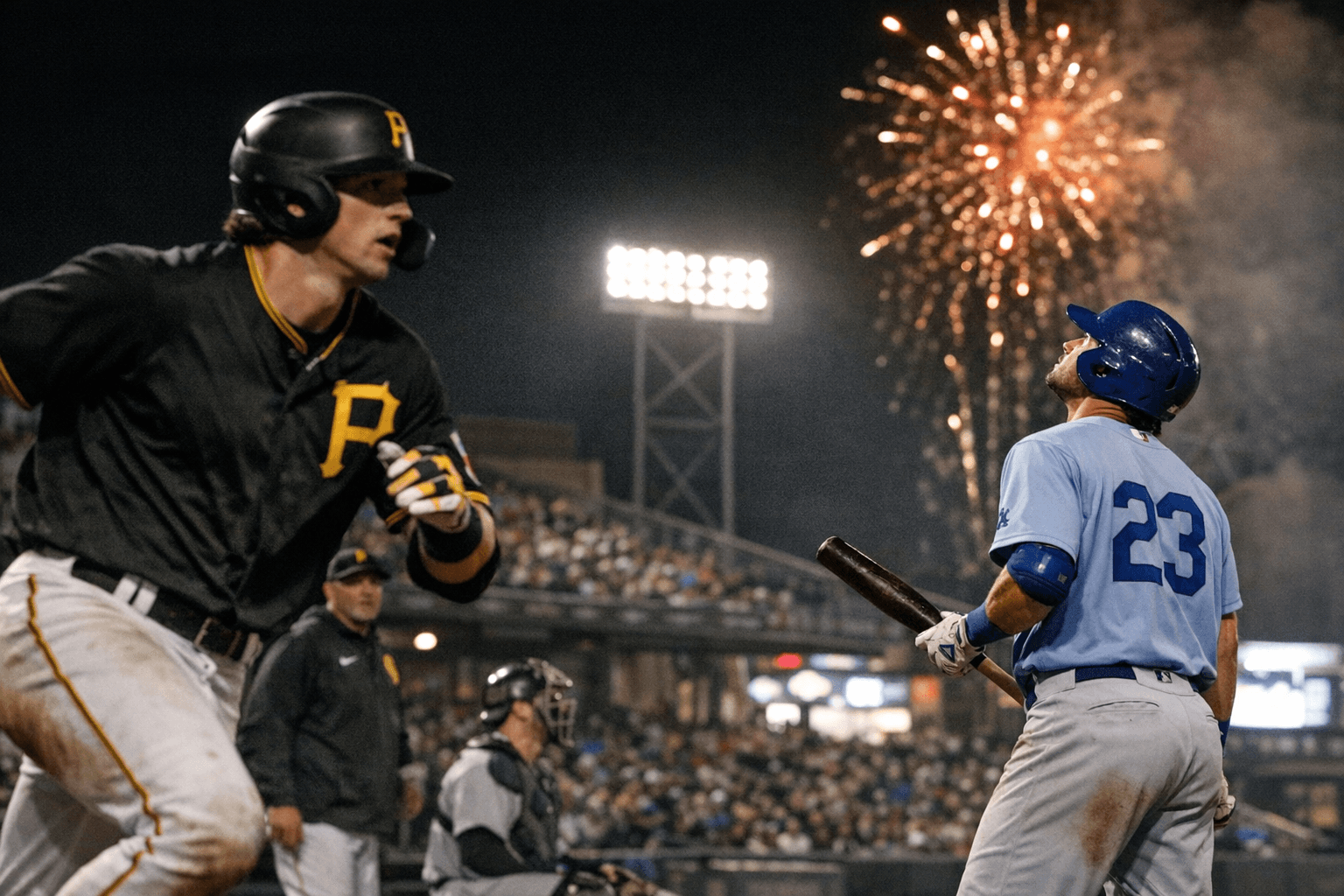
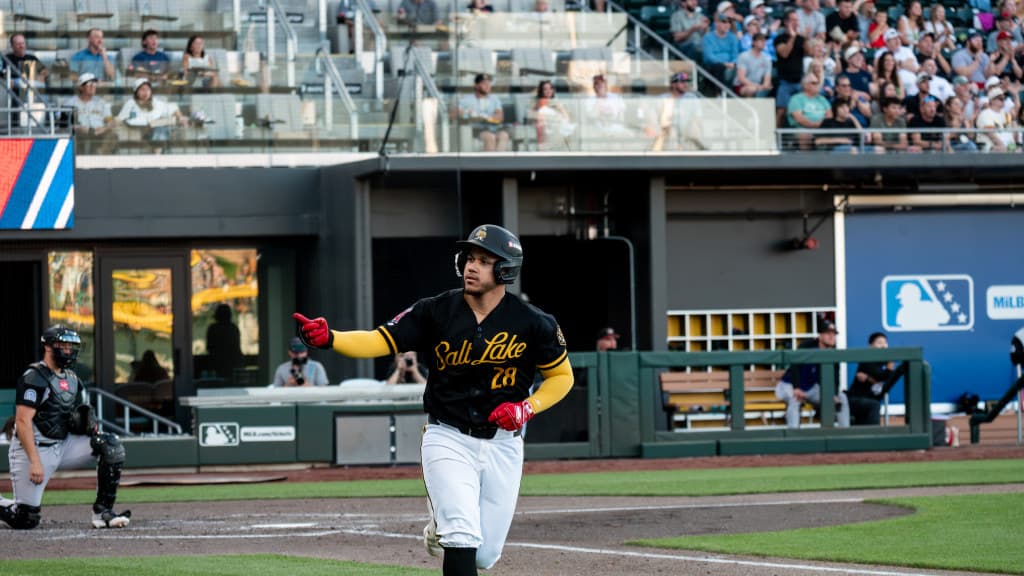
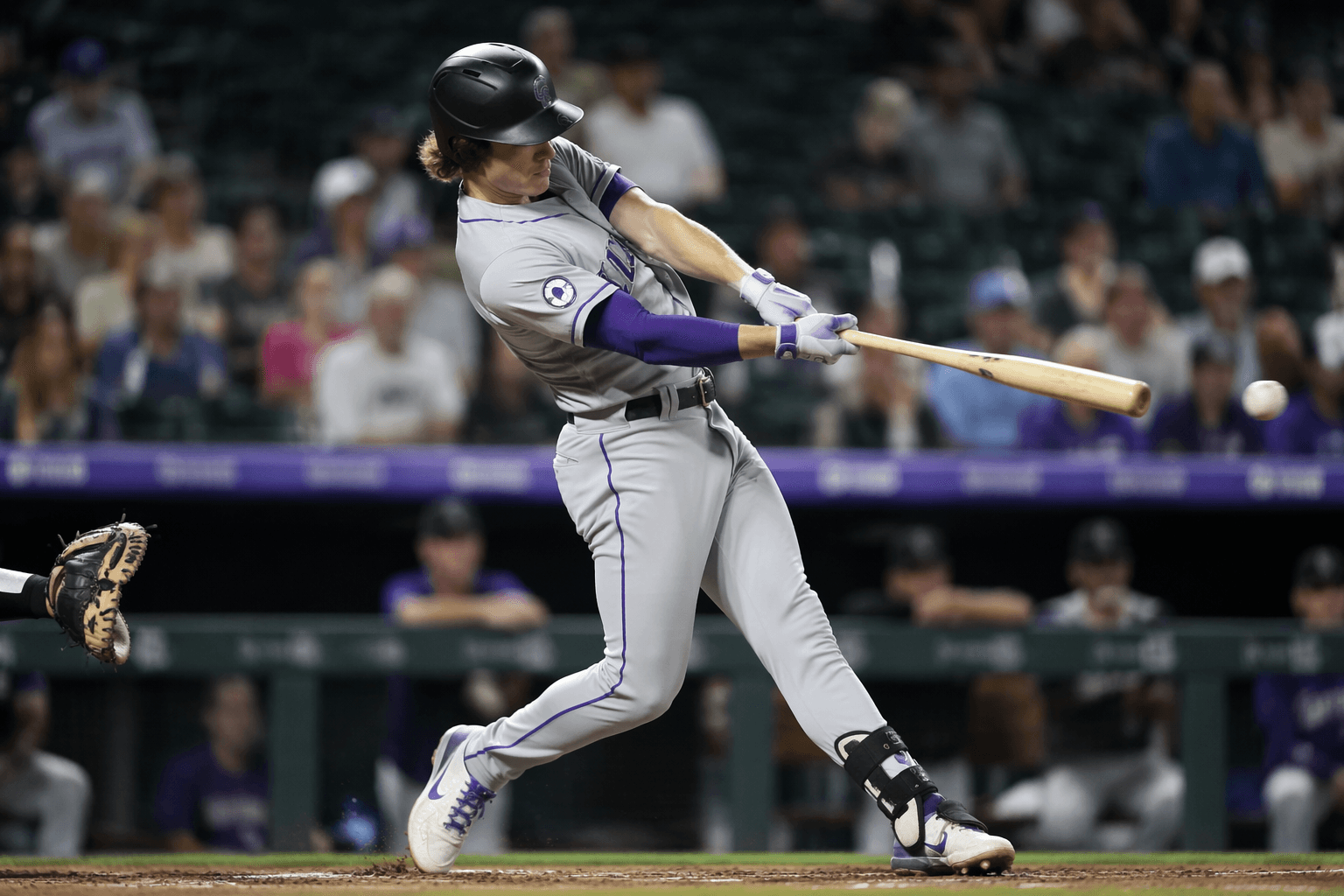
Pittsburgh's No. 1 overall prospect Konnor Griffin went 5-for-10 across his opening series for Triple-A Indianapolis, and the Dodgers' James Tibbs III slashed .615/.643/1.462 with a 406-foot home run for Oklahoma City in the Pacific Coast League. Those were the headline numbers from a Triple-A opening weekend that, for most clubs, launched on March 27 and immediately produced a data set that evaluators, roster executives, and prospect trackers will be mining for weeks.
The 2026 Triple-A season is the earliest start since 1951, and the calendar compression made the first weekend carry unusual weight. What follows are the seven signals worth trusting from that opening burst, and the overreactions to set aside.
Signal No. 1: Griffin's contact rate is real, not a small-sample fluke.
The Pirates watched Griffin compete for their MLB Opening Day shortstop job in spring training before he narrowly fell short. Five hits in his first ten plate appearances at Triple-A Indianapolis does not prove he belongs in Pittsburgh yet, but it does confirm that his approach translated across competitive levels without a visible adjustment period. The Pirates' shortstop depth chart is thin, which means a sustained April and a clean May could put Griffin in a legitimate position for a June promotion. One weekend does not a call-up make, but 5-for-10 with no obvious swing-and-miss concerns is precisely the kind of debut that keeps the front-office conversation open.
Signal No. 2: Tibbs is a Statcast outlier, not just a hot hitter.
Tibbs posted the Pacific Coast League's highest hit total over the weekend at eight, but the barrel count is the number worth tracking. He finished with four barrels across the series, the most of any Triple-A hitter, and drove a Collin Baumgartner fastball 406 feet to dead center on Sunday as part of a three-hit, five-RBI afternoon that single-handedly outscored the opposing Albuquerque lineup. A 2024 first-round pick by the Giants who later moved to the Red Sox in the Rafael Devers deal and then to the Dodgers in the Dustin May trade, Tibbs is already in his third organization before reaching the majors. Los Angeles has the outfield depth to be patient, but four barrels in three games is not a coincidence. It is a power profile confirming itself at the highest minor-league level.
Overreaction to avoid: writing Tibbs into the Dodgers' 2026 Opening Day lineup. His .615 average will regress. The barrel rate, if it stays above 15 percent over a 30-game stretch, will not.
Signal No. 3: Charlotte's White Sox pair are solving two different organizational problems.
William Bergolla Jr. and Sam Antonacci gave the Charlotte Knights two of the most productive opening weekends in the International League, and they addressed opposite questions Chicago has been asking.
Bergolla entered 2026 having posted the best swing-and-miss rate in the Southern League a year ago, a contact skill that translated directly in his first professional action above Double-A. He collected eight hits across the series, tied with Tibbs for the most in all of Triple-A, and delivered the weekend's most dramatic moment on Saturday: a walk-off single to center field in the bottom of the 11th inning against the Durham Bulls, finishing 3-for-4 to push his opening series line to 7-for-9. Charlotte's pitching staff racked up 18 strikeouts in that game, with starter Tanner McDougal accounting for eight. That pitching depth matters for an organization evaluating several rotation candidates simultaneously.
Antonacci's contribution was power, not contact. The White Sox infielder, coming off momentum from the 2026 World Baseball Classic, hit two home runs across the weekend, tied for first in the International League, and added four combined walks and hits over his first three games. The pop matters because Chicago's rebuild has prioritized contact-first hitters at the upper levels; a prospect demonstrating genuine exit-velocity upside alongside his contact grades changes the organizational development calculus. Two home runs in a weekend is a small sample; two home runs in a weekend after demonstrating the same trait throughout a WBC run is a data cluster.
Overreaction to avoid: projecting either Charlotte Knight into the White Sox's 2026 roster before April ends. The more realistic path is a July or August call-up window for whichever player sustains these rates deepest into the season.
Signal No. 4: The Yankees' Triple-A staff has a live arm and a strike-thrower. That is a rare combination.
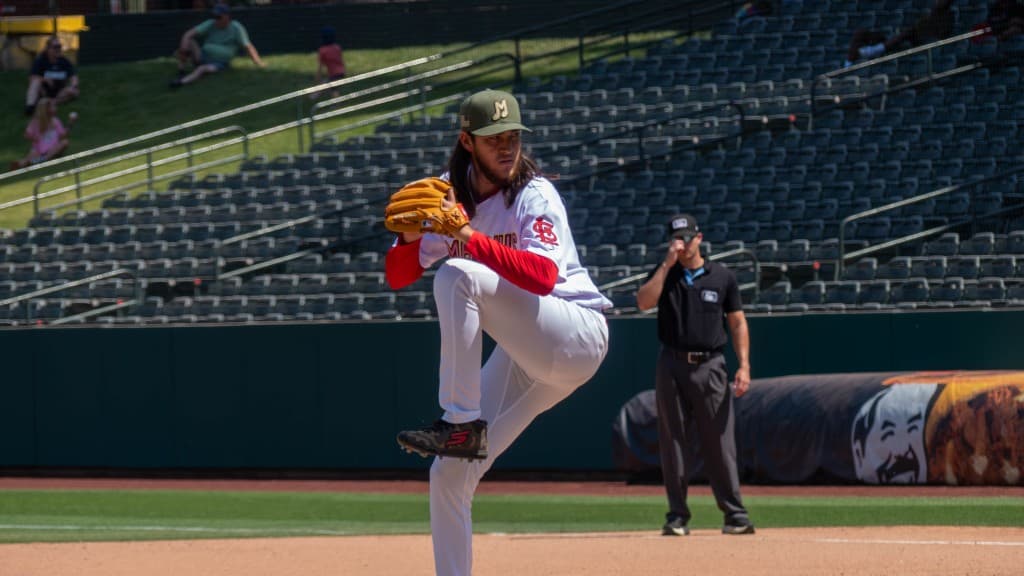
Scranton/Wilkes-Barre produced the weekend's most striking pitching double feature. Carlos Lagrange touched 101.3 miles per hour during his appearance for the RailRiders, a velocity reading that puts him in the conversation for any New York bullpen need that surfaces in April or May. Four innings of triple-digit heat at the Triple-A level, with a stable fastball shape, is the kind of audition that stays on a pitching coordinator's radar all month.
The other half of the story was Brendan Beck, the Yankees' No. 22 organizational prospect, who struck out nine batters across five innings in an 8-0 opening-day win over Buffalo, a Blue Jays affiliate. Beck's nine punchouts were tied for the most of any Triple-A starter on opening weekend. The Yankees' rotation depth in the Bronx has remained a persistent concern; if Beck sustains a strikeout rate above a batter per inning with acceptable walk numbers, the conversation about a second-half call-up will intensify by June.
Overreaction to avoid: projecting Lagrange as a rotation option. His profile is a high-leverage reliever, and New York will use him accordingly when the moment arrives.
Signal No. 5: Kaelen Culpepper's first home run as a Saint signals Twins development progress.
Culpepper collected five hits for Triple-A St. Paul across the weekend, including the first home run of his tenure with the Saints. Five hits is a solid foundation; a home run from a player who projects as a contact-first utility option represents a developmental marker the Twins track closely. Minnesota has used St. Paul aggressively as a depth pipeline over recent seasons, and Culpepper's power emergence adds a dimension to his value that makes him more of a 26-man roster option than a depth depth piece.
Signal No. 6: The Guardians and Angels used the first week to clarify bullpen hierarchies.
Cleveland's opening week produced two immediate roster moves that underscored how seriously modern front offices treat early Triple-A outings as live data. The Guardians optioned Logan Allen to Triple-A Columbus after finalizing their rotation around Tanner Bibee, Gavin Williams, Slade Cecconi, Joey Cantillo, and Parker Messick. Separately, the organization selected Codi Heuer, a non-roster invitee, to the 40-man roster and optioned him to Columbus, adding a veteran left-handed arm to the Columbus bullpen rather than stretching the major-league pen. The Angels made comparable early-week adjustments, redistributing arms between Anaheim and Salt Lake as command issues surfaced among young swing-role relievers.
The pattern across both organizations is consistent with what evaluators expected: clubs will absorb early relief struggles when the pitcher is a high-ceiling arm, but veterans without options on their development ceiling will be rerouted quickly. Columbus and Salt Lake will both carry heavier bullpen populations than projected heading into April, and that creates opportunity for the arms already there who open with clean command numbers.
Signal No. 7: Walk-offs and extra innings produce development data, not just entertainment.
The Charlotte-Durham 11th-inning walk-off was one of several late-game sequences across opening weekend that extended into extras. These moments carry dual significance. For fans, they are the highlight-reel material that generates local coverage and keeps attendance interest alive in early-season weather. For evaluators, they are controlled stress tests, late-game, high-leverage at-bats and pitching decisions in front of crowds, providing a read on how prospects manage pressure that spring training games simply cannot replicate. Bergolla's walk-off hit came after a Jacob Gonzalez sacrifice bunt and an intentional walk to Antonacci, meaning Charlotte's coaching staff was already sequencing its lineup around the White Sox prospects. That organizational trust, embedded in a game-management decision, is itself a signal about the call-up conversations happening internally.
The opening weekend produced no single definitive answer about which prospect reaches the majors first. It did produce a concentrated batch of verifiable, Statcast-grounded data points that will set the baseline for every roster conversation through the end of April. The outliers to watch: Tibbs's barrel rate, Griffin's strikeout avoidance, and which of the two Yankees arms surfaces on a major-league transaction wire first.
This article was produced by Prism’s automated news system from verified source data, official records, and press releases, then run through automated quality and moderation checks before publishing. The system is built and supervised by the people who set the standards it runs under. Read our full AI policy.
Did this article answer your question?