29
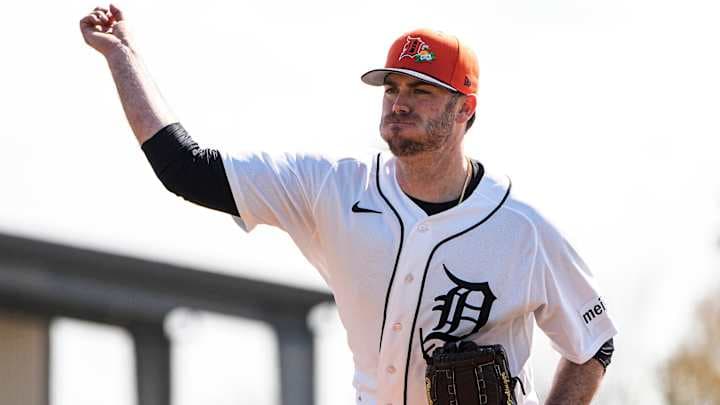
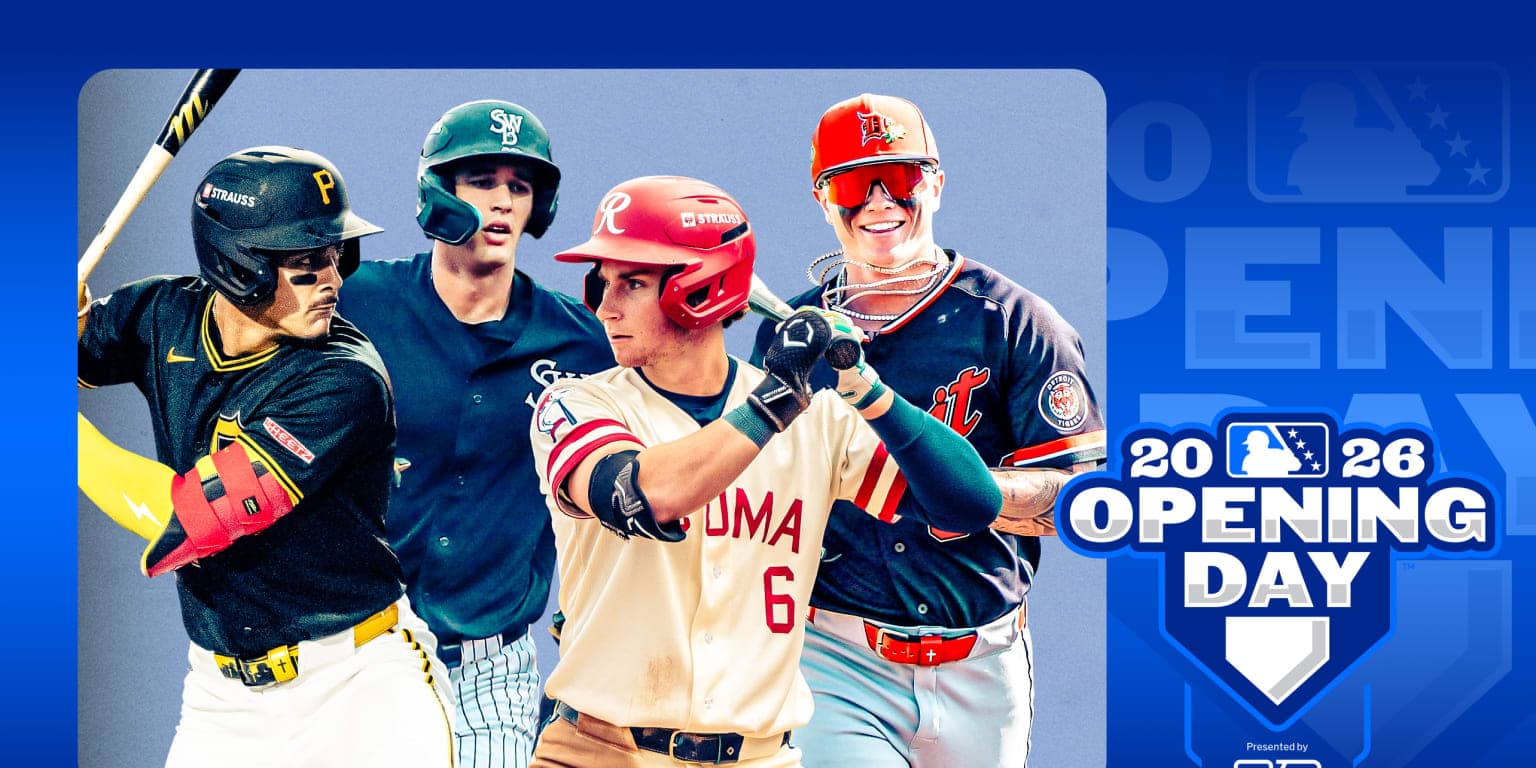
Konnor Griffin headlines a record-tying 29 Top-100 prospects opening 2026 at Triple-A, the most concentrated wave of elite minor league talent in a single level in recent memory.
The Number That Defines the 2026 Minor League Season
Konnor Griffin, baseball's consensus No. 1 overall prospect, is 19 years old and already in Triple-A Indianapolis. That sentence alone tells you something significant about the state of the 2026 pipeline. But Griffin is not an outlier this spring. He is one of 29 Top-100 prospects who opened the 2026 season at Triple-A, a concentration of elite talent at one level that frames the entire first half of the MLB calendar. Twenty others from that same Top-100 list broke camp on MLB Opening Day rosters. Do the math: nearly half of baseball's 100 best prospects are either already in the big leagues or one phone call away, staged at the sport's highest minor league level with nowhere left to go but up.
That number, 29, is the organizing principle of everything happening in the International and Pacific Coast Leagues right now.
Opening Day and the Marquee Matchup
Triple-A's Opening Day landed on March 27, 2026, the earliest start for the level since the Pacific Coast League kicked off on the same date in 1951, a 75-year gap that means season-long cumulative stat comparisons will need recalibration as Triple-A teams will have logged more games by midseason than in any recent year.
The marquee game of that first night was not hard to identify. At 6:35 p.m. ET, the St. Paul Saints hosted the Indianapolis Indians in a matchup featuring four Top-100 prospects on the same field simultaneously. Griffin anchored the Indianapolis lineup while the Saints countered with one of the most loaded Triple-A rosters assembled in recent memory: Walker Jenkins (No. 14 overall), Kaelen Culpepper (No. 52), and Emmanuel Rodriguez (No. 74) all opened the year in Minnesota's affiliate. Across the league, Colt Emerson (No. 9) started his campaign in Tacoma, Max Clark (No. 10) debuted in Toledo, and Travis Bazzana (No. 20) began in Columbus. On Opening Night alone, more than a quarter of the 29 Triple-A Top-100 prospects were already delivering box score lines.
The Prospects Most Likely to Debut First
Not all 29 of these players are equally close to a promotion, and understanding the organizational context behind each assignment reveals who is actually on a short leash.
Griffin is the most scrutinized. The Pirates, who selected him ninth overall in the 2024 draft, cited bat-to-ball consistency as the rationale for his Triple-A assignment after he struck out 13 times in 46 Grapefruit League plate appearances despite clubbing four home runs. But there is no credible case that Griffin, who hit .333/.415/.527 with 21 home runs and 65 stolen bases across three levels in 2025, is not close to ready. Service time protocol is the real subtext: by keeping Griffin out of the Pittsburgh lineup until roughly mid-April, the Pirates add a full additional year of team control. Manager Don Kelly was effusive about what he saw in spring, calling out Griffin's professionalism for someone "playing shortstop for the first time" in big league camp. An MLB debut in May or June 2026 is the consensus projection, and Pittsburgh's lack of a settled shortstop solution at the big-league level makes that timeline feel generous, not conservative.
Emerson (Tacoma) already changed the calculus of his own situation on March 31 when he agreed to an eight-year extension with the Mariners, reportedly the largest contract ever signed by a player who had yet to appear in an MLB game. With J.P. Crawford's shoulder nagging and no clear shortstop alternative on Seattle's roster, Emerson's Triple-A stop has the look of a brief administrative formality rather than genuine developmental patience.
Clark (Toledo) stepped into Triple-A for the first time at age 20 after going 2-for-18 in spring training, but his assignment to Toledo should be read through the lens of roster fit rather than readiness. His close friend and fellow 2023 first-round pick Kevin McGonigle (No. 2 overall) won a Tigers roster spot and went 4-for-5 on MLB Opening Day. Clark, projected as an above-average center fielder with developing power who has started to touch exit velocities above 108 mph, is one of seven top-30 Detroit prospects opening in Toledo. The Tigers clearly believe depth is a feature, not a problem.
Bazzana (Columbus) brings a high-ceiling second base profile to a Guardians organization that already has him on the 40-man and needs infield depth. Eldridge (Sacramento) articulated the right mindset for the Giants' patient approach, noting he is not going to "put that pressure on myself to try and rush it." Jett Williams (Nashville, No. 51), acquired from the Mets this offseason, gives the Brewers a positional Swiss Army knife who played center field, shortstop, and second base in 2025 while posting a .261/.363/.465 slash with 34 stolen bases. His versatility makes him the ideal depth piece for a Milwaukee club managing multiple roster decisions simultaneously.
What Organizations Are Actually Managing
The 29 Triple-A placements are not random. Read them as a ledger of organizational intent, and three recurring themes emerge.
Service time is the most visible driver. The Griffin situation is textbook, but it applies broadly to any top prospect who entered spring training without a roster lock. By holding players below the majors for the first 15 or so days of the season, clubs preserve an extra year of pre-arbitration control. That calculus only applies to prospects who were already MLB-ready or close, which is precisely why so many names on this list are in Triple-A rather than Double-A.
The 40-man roster crunch is the second factor. Several placements reflect organizations that cannot add a prospect to the active roster without exposing another player to waivers. Clubs use the early weeks of Triple-A play to watch the big-league roster shake out, wait for a DL stint to open a spot, or find a trade partner for a player blocking the path. Triple-A becomes a holding pattern where talent appreciates while front offices wait for the opening.
Injury contingency is the third lever. Having Griffin in Indianapolis or Bazzana in Columbus rather than at Double-A Altoona or Akron is explicitly about proximity. A Triple-A player can be activated within 24 to 48 hours in an emergency. That is not coincidence. It is roster architecture.
What Scouts and Fantasy Managers Should Track
The metrics that will drive promotion decisions in April and May are specific. For hitters like Griffin and Clark, contact rate and hard-hit frequency via Statcast exit velocity data are the primary signals. Griffin's spring strikeout rate was the public hook the Pirates used to justify his assignment; if those numbers normalize quickly at Indianapolis, the conversation about his promotion timeline accelerates.
For pitchers scattered across this group, including Jonah Tong (No. 48), the MiLB Pitching Prospect of the Year who returns to Syracuse, the workload is the watch item. Teams stretching out young starters in Triple-A are building toward a specific pitch count threshold before their MLB window opens. When Tong reaches that threshold, the call goes out.
Spencer Jones, who put up 35 home runs in 2025, opens for Scranton/Wilkes-Barre with a Yankees roster that has limited outfield openings but a history of creative roster management. Hard exit velocity numbers on Statcast will tell you more about Jones's readiness than his batting average will.
The Calendar Factor
One underappreciated angle: because Triple-A opened March 27 for the first time since 1951, these prospects will have played significantly more games by the All-Star break than they would in a normal year. That is a genuine development accelerant. More at-bats, more innings, more opposing quality at-bats against advanced pitching means the evaluation process moves faster. Any prospect who dominates Triple-A competition through the end of April will have a larger, more statistically reliable sample behind his promotion case than usual.
Twenty of baseball's 100 best prospects opened the year in MLB uniforms. Twenty-nine others are in Triple-A. That pipeline is loaded, it is deliberate, and the first significant wave of promotions could arrive before April is over. The number to remember is 29, but it will not stay at 29 for long.
Know something we missed? Have a correction or additional information?
Submit a Tip