Baseball America Flags 10 MLB Prospects Poised For Immediate Triple-A Impact
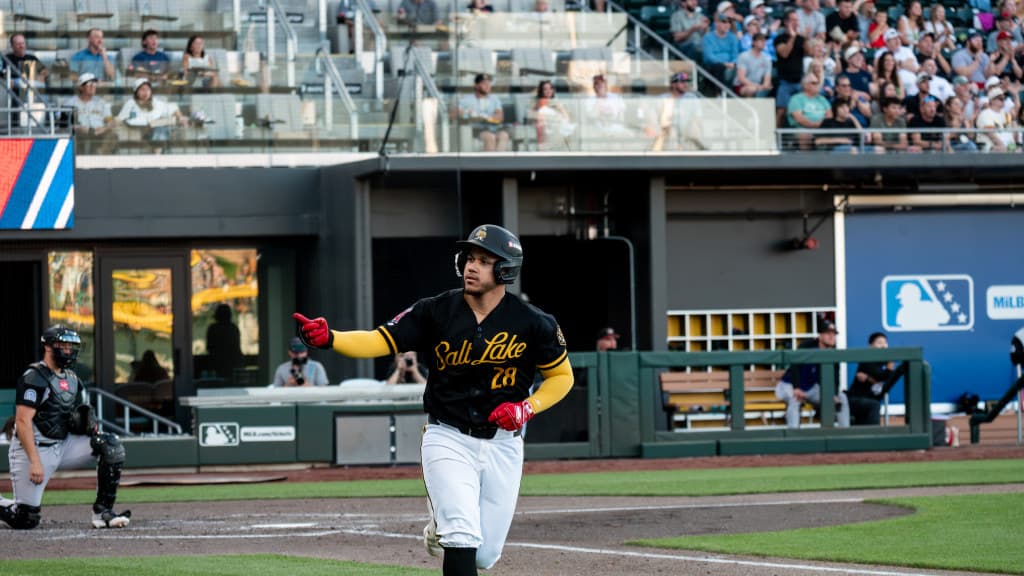
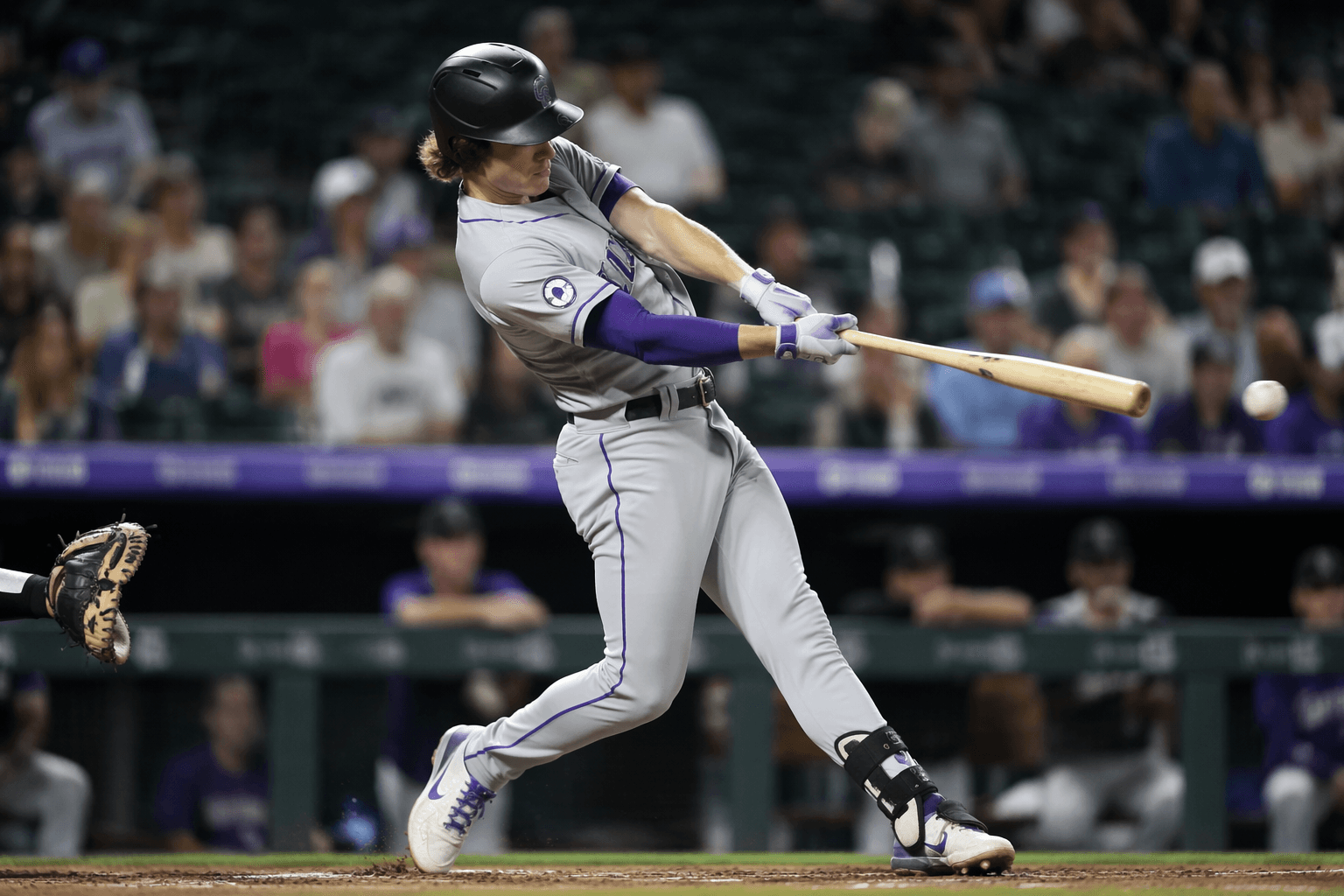
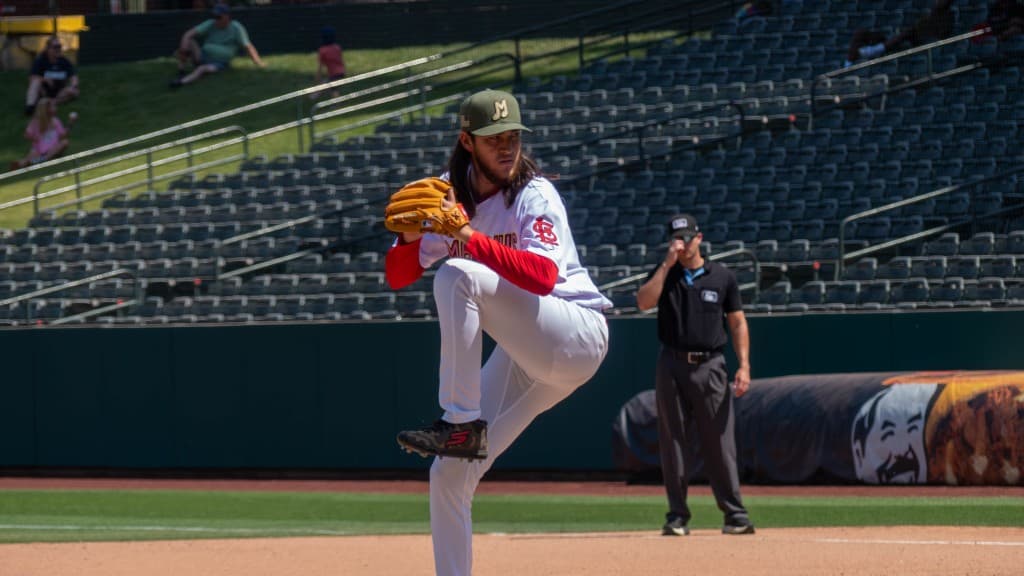
Baseball America’s February org reports isolated ten prospects whose recent tweaks, mentor access and organizational openings make them immediate Triple‑A candidates, from a Perez‑mentored catcher to a lefty adding a sweeper.
Baseball America’s Feb. 27 org synthesis pulled ten developments from monthly team reports that the author judged to have immediate Triple‑A relevance; below are the players and the concrete facts that make each worth watching.
1. Carter Jensen, C (Kansas City Royals)
Catcher Carter Jensen was a third‑round high‑school pick by the Royals in 2021 who “had a breakthrough minor league season that culminated in a big league callup last September.” He grew up a Royals fan in Kansas City and now benefits from daily access to Salvador Perez, the Royals’ nine‑time All‑Star catcher; Jensen said, “Being around him and watching the way that he works and prepares for games…not just physically but mentally also, it’s special, and it’s something that I’m trying to mimic. I’m trying to do the same as he does.” That mentorship plus a recent big‑league taste is the kind of development arc Baseball America flagged as having immediate Triple‑A implications.
2. Thomas White, LHP (Miami Marlins)
The Marlins’ Thomas White is described bluntly in the report as “the top lefthanded pitching prospect in the game,” with an “elite” four‑seam fastball and reliable changeup and slider. He’s actively trying to add a fourth offering, a sweeper, and Double‑A Pensacola pitching coach Jerad Eickhoff detailed the hands‑on tweak: “He was using a grip that had worked for him since high school. We moved his grip about an inch, and it gave him additional horizontal break. He had trouble landing the pitch initially because it had so much movement.” That combination of premium heater, emerging fourth pitch work and a coachable profile is exactly the technical development that can accelerate a lefty’s jump to Triple‑A innings.
3. Colt Emerson, SS (Seattle Mariners)
Seattle’s top prospect table lists Colt Emerson as the organization’s No. 1 and an overall top‑10 prospect (Overall: 6; Previous org rank: 1). Baseball America’s selection logic favors prospects whose trajectories meet roster openings; the Mariners’ front office has cleared depth via trades, “The trades for Brendan Donovan, Josh Naylor, Eugenio Suarez, Jorge Polanco and Randy Arozarena have cleared out the depth of this system a good bit, but the strategy to not touch the most elite prospects is a smart one.” Emerson’s placement at No. 1 in that depleted system and his top‑10 overall billing make him a prime candidate for immediate Triple‑A exposure as the club balances roster needs.
4. Kade Anderson, LHP (Seattle Mariners)
Kade Anderson sits second on Seattle’s organizational list (Overall: 16; Previous org rank: 2), marking him as an established internal asset behind Emerson. With the Mariners actively trimming veteran depth, Anderson’s position as a top two prospect in the system gives him a clear pathway to Triple‑A workload this year; his public ranking in the ESPN team table is a concrete indicator teams and evaluators already use when deciding promotion readiness and assignment to Triple‑A rotation or bullpen depth.
5. Nolan McLean, RHP (New York Mets)
Nolan McLean appears atop the Mets list (Overall: 13; Previous org rank: 3) and the Mets narrative sketches an immediate big‑league timeline: “Most of the players on this list will be in the big leagues this year or next. McLean will open in the major league rotation.” Even if McLean begins 2026 in Triple‑A as a final tune‑up, that sentence is a direct organizational expectation that makes his Triple‑A assignment a short‑term staging ground rather than a long developmental stop.
6. Carson Benge, CF (New York Mets)
Carson Benge is listed second for the Mets (Overall: 15; Previous org rank: 5) and is another player the team projects to reach the majors quickly: the Mets note that “Benge seems likely to open in the lineup.” That projection frames Triple‑A as the likely immediate proving ground where Benge will demonstrate readiness against upper minors pitching before a call‑up to a Mets lineup that the organization already envisions using him in the near term.

7. Jonah Tong, RHP (New York Mets)
Jonah Tong ranks fourth on the Mets’ table (Overall: 31; Previous org rank: 2) and figures into the same timeline: the Mets observed that “Tong and Clifford will both be 2026 big league factors at some point.” For a prospect like Tong, Triple‑A workload is the standard next step to polish command and innings before joining a major league rotation or bullpen; the team’s wording explicitly signals that his Triple‑A stop is likely to be brief if performance and health align.
8. Ryan Clifford, LF (New York Mets)
Ryan Clifford is on the Mets’ top‑10 at No. 5 (Overall: 106; Previous org rank: 8) and is called out alongside Tong in the Mets’ projection that he will be a 2026 big‑league factor. Even though Clifford’s overall number sits just outside the Top‑100 in the provided table, the organization’s expectation that he contributes to the major‑league club this year means a late Triple‑A promotion or an early‑season assignment with immediate MLB upside.
9. Brice Matthews, 2B (Houston Astros)
Houston’s organizational table lists Brice Matthews as the club’s top prospect (Overall: 109; Previous org rank: 1), and the Astros’ explanatory line highlights how this group was constructed: “Four of the top five prospects here were touted signees Matthews, Janek and Neyens were first‑round picks, Alvarez signed for $2 million internationally but the others have been the result of solid scouting and development.” Matthews’ pedigree as a touted pick and his place atop Houston’s board make him a candidate for Triple‑A exposure as the Astros calibrate their middle‑infield depth.
10. Kevin Alvarez, CF (Houston Astros)
Kevin Alvarez appears in Houston’s top‑five list (Previous org rank: 5) and is singled out in the team narrative as an international signing: “Alvarez signed for $2 million internationally.” That $2 million bonus is a concrete investment that creates organizational incentive to accelerate his path; in practice, players with that level of signing capital often see Triple‑A time quickly as clubs decide between service‑time timing and immediate big‑league needs.
Conclusion: Baseball America’s monthly org reports, pulled together from correspondents around the league, spotlight concrete mechanics (a grip moved an inch), mentorship access (Jensen working with Salvador Perez), and organizational clearing of depth (Seattle trades) that create real, short‑term Triple‑A trajectories for these ten players. Track these names now: their next Triple‑A outings will signal whether adjustments translate to the majors or require more seasoning.
This article was produced by Prism’s automated news system from verified source data, official records, and press releases, then run through automated quality and moderation checks before publishing. The system is built and supervised by the people who set the standards it runs under. Read our full AI policy.
Did this article answer your question?