Brandon Sproat's Eight-Strikeout Triple-A Outing Boosts Mets Prospect Stock
Brandon Sproat struck out eight in a Triple-A start, limiting hard contact and sharpening his case for a spring training look with the Mets.

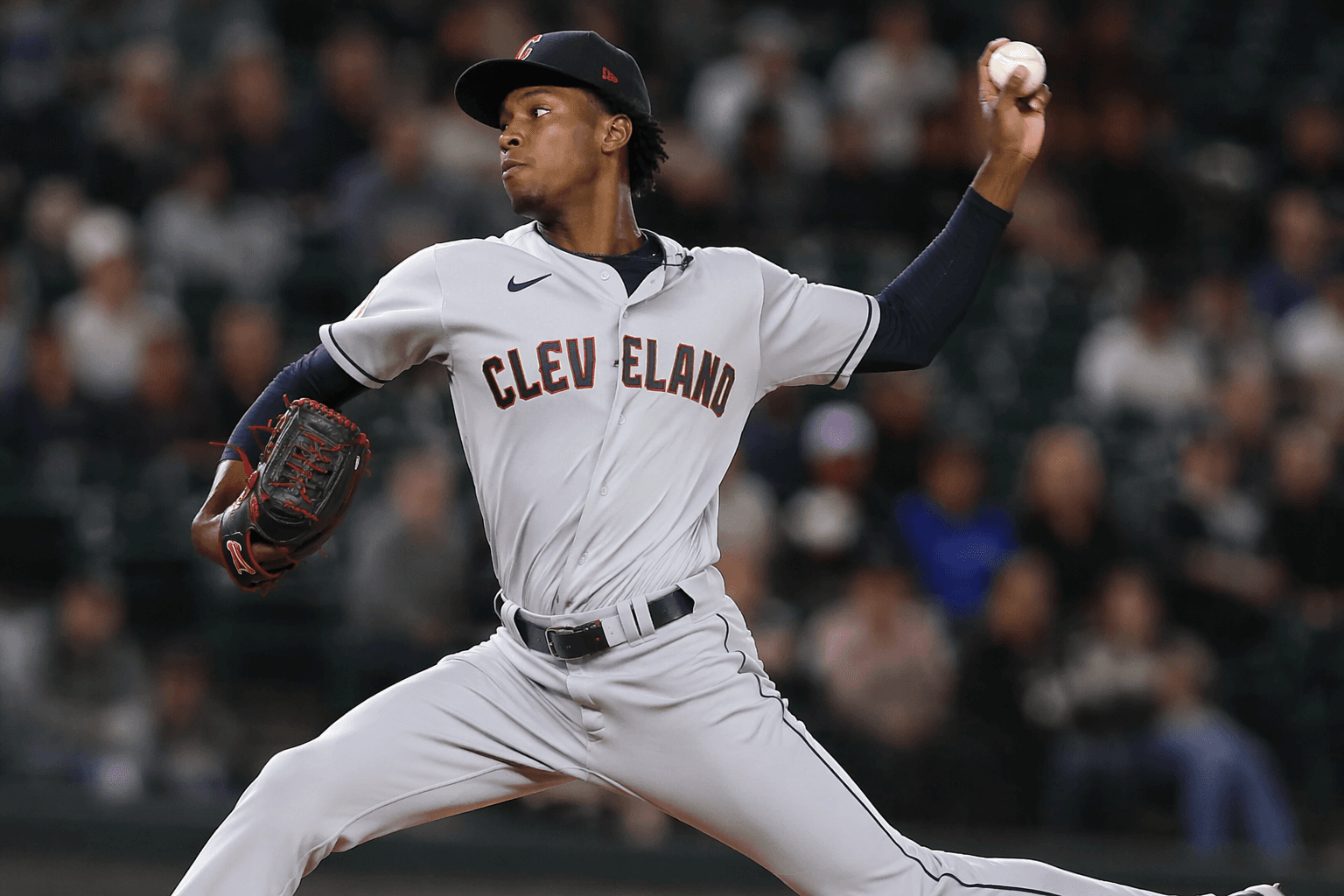
Brandon Sproat delivered a performance that turned heads at Triple-A, striking out eight batters while keeping hitters off the barrel and showing the swing-and-miss stuff that could accelerate his climb through the Mets system. The outing, on January 21, 2026, reinforced Sproat’s profile as a young arm whose recent adjustments are translating into results against upper minors competition.
Sproat’s appearance was notable for its emphasis on missing bats and suppressing hard contact, two qualities that organizations prize when evaluating arms for bigger roles. Scouting notes from the outing pointed to a cleaner pitch mix and improved sequencing, which helped him avoid loud contact even when he didn’t miss bats. Those elements matter because Major League teams are increasingly prioritizing pitchers who combine strikeout upside with the ability to limit barrels.
For the Mets, Sproat’s sprint toward contention matters both on the field and in the front office ledger. With a payroll that needs both immediate impact and cost-controlled depth, a Triple-A starter who can step into a big-league rotation spot or high-leverage bullpen role offers tangible value. If Sproat sustains this level of performance, he will press for a spring training invite and position himself behind established rotation pieces like Kodai Senga and Tylor Megill on the organizational depth chart.
The timing adds another layer of significance. Spring training often reshuffles roles and exposes gaps that teams must fill before Opening Day. Sproat’s eight-strikeout outing puts him on the list of internal candidates who can be auditioned without the front office needing to pursue expensive external options. That has implications for roster construction and the Mets’ willingness to promote from within rather than trade for immediate help.
Culturally, Sproat’s emergence feeds the narrative that the Mets’ farm system can produce MLB-ready arms, creating excitement among fans who follow Syracuse and the broader minor-league pipeline. For local Triple-A communities, homegrown prospects progressing toward New York stoke attendance and regional interest, tying player development to the business health of affiliate clubs.
Industry trends also frame the performance. In an era where spin rates, chase rates, and whiff metrics drive evaluations, Sproat’s outing checks key analytical boxes without sacrificing the fundamentals of pitch execution. That hybrid profile - analytical appeal plus traditional command - is exactly what teams want when weighing promotion timing.
What comes next is clearer than it was: Sproat needs to string together similar outings through spring training and into the regular Triple-A season to convert momentum into a roster opportunity. For fans and front-office evaluators alike, this was an outing that shifted his stock from intriguing to actionable, and the next few weeks will determine whether he can turn promise into a big-league audition.
This article was produced by Prism’s automated news system from verified source data, official records, and press releases, then run through automated quality and moderation checks before publishing. The system is built and supervised by the people who set the standards it runs under. Read our full AI policy.
Did this article answer your question?