Each Team’s Top Power Prospect: Triple-A Candidates Ready for MLB
MLB Pipeline picked one top power prospect per club; the provided notes give full profiles for only two, Roman Anthony (Red Sox) and Konnor Griffin (Pirates), the rest are referenced but not listed.
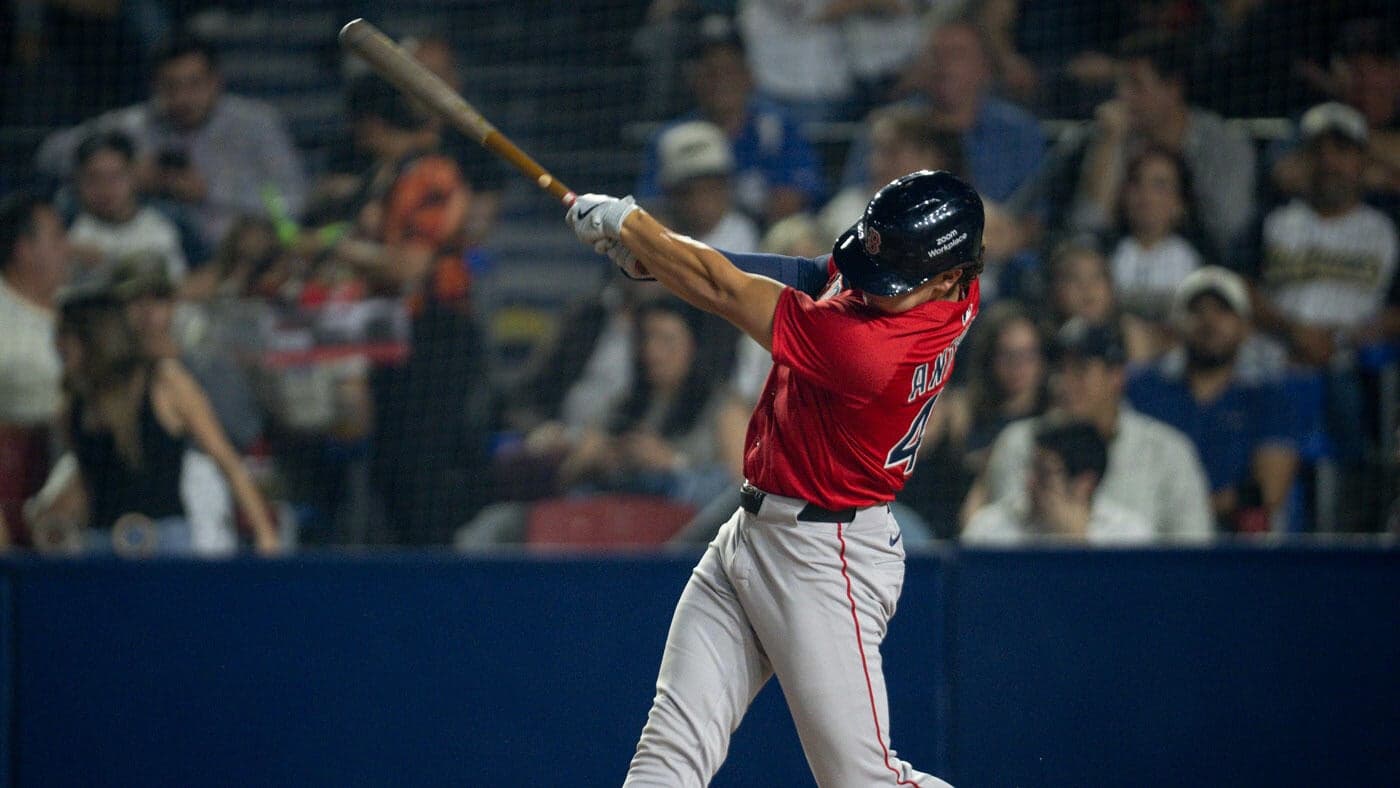
1. Red Sox: Roman Anthony, OF (MLB No. 2)
Roman Anthony is the pick for Boston and he’s the clearest Triple‑A-to‑MLB power candidate in the notes. He mashed a 450‑foot homer at Coors Field during the 2021 High School All‑American Game as a 17‑year‑old, was a 2022 supplemental second‑rounder from a Florida high school, “stands out most with his plus‑plus raw power and makes advanced swing decisions that let him get to most of it,” topped the Double‑A Eastern League in slugging (.489) and OPS (.856) as a 20‑year‑old, then batted .344/.463/.519 with 16 extra‑base hits in 35 games following his promotion to Triple‑A, the combination of production and pedigree makes him the Red Sox’s top bet for early MLB homers.
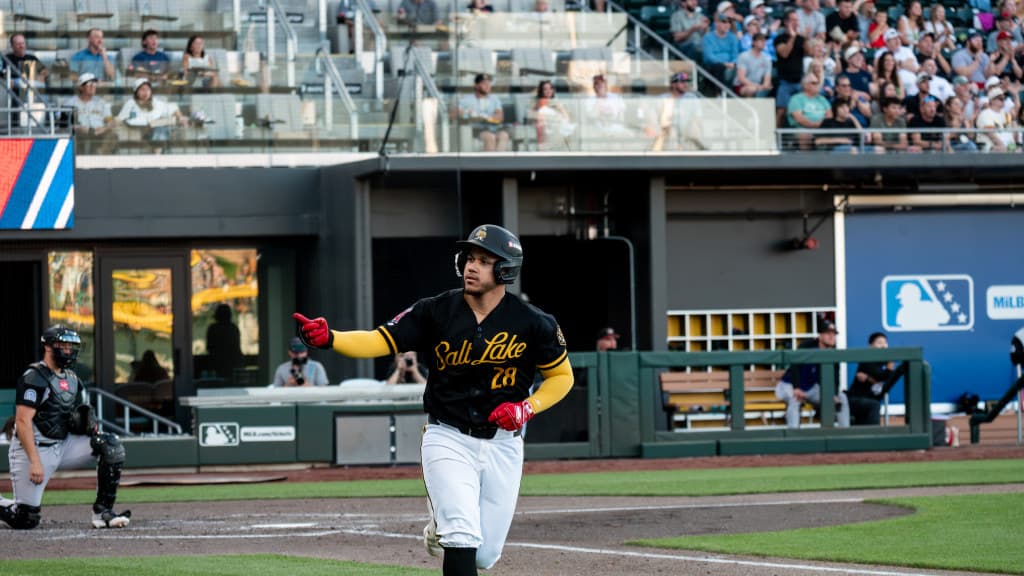
2. Pirates: Konnor Griffin, SS/OF (MLB No. 43)
Pittsburgh’s entry is a high-upside, high-ceiling profile: Griffin “may have had the best all‑around raw tool set of anyone in the 2024 Draft class,” the Pirates took him No. 9 overall, and while “there was a little concern with the length of his swing, and thus his hit tool,” the evaluators believe the “plus bat speed combined with strength and leverage could lead to at least plus power in games at the next level.” He’s yet to make his professional debut, but with his power and speed he has 30/30 potential in the big leagues, a classic boom-or-bust triple‑tool bat destined to be monitored closely as he approaches full‑season ball.
3. Arizona Diamondbacks: selection not included in provided notes
MLB Pipeline’s Feb. 25, 2026 feature names one top power prospect per organization, but the Diamondbacks’ specific pick is not part of the supplied excerpt. For context, the piece’s authors, Sam Dykstra, Jim Callis and Jonathan Mayo, frame power as the premium outcome in prospect evaluation, so Arizona’s entry in the full piece will be framed around that value.
4. Atlanta Braves: selection not included in provided notes
The provided material does not contain Atlanta’s named top power prospect; MLB Pipeline’s overall thesis is captured in lines like “The home run is the most efficient event in sports. It’s the maximum outcome a single batter can achieve, and all it takes is one swing. One very powerful, well-timed, well-coordinated swing.” Expect the Braves’ pick in the full article to be evaluated through that lens.
5. Baltimore Orioles: selection not included in provided notes
Baltimore’s top power prospect isn’t listed in the supplied excerpt. The MLB Pipeline story by Dykstra, Callis and Mayo emphasizes that sluggers who drive the ball hardest and elevate well provide the best chance to score runs, the metric the Orioles’ selection will be judged by in the complete piece.
6. Chicago Cubs: selection not included in provided notes
The Cubs’ designated power prospect isn’t in the research notes provided here. MLB Pipeline’s approach, per the excerpt, prioritizes true game‑changing power as a separate evaluative tool; readers should consult the full Feb. 25, 2026 piece for Chicago’s pick.
7. Chicago White Sox: selection not included in provided notes
The White Sox entry isn’t present in the supplied material. Given the article’s framing that “You can put the ball in play a bunch, but if they’re all singles, you’re limiting your value,” the White Sox prospect chosen in the full story will be the player whose power projection most improves run-scoring.
8. Cincinnati Reds: selection not included in provided notes
Cincinnati’s top power prospect is not detailed in the excerpted notes. The MLB Pipeline writers made clear power projections are central to these selections; the Reds’ chosen bat in the full article will be measured by its potential to convert fly‑ball authority into MLB homers.
9. Cleveland Guardians: selection not included in provided notes
The Guardians’ pick does not appear in the supplied material. Expect the full MLB Pipeline entry to pair scouting descriptors (raw power, bat speed, leverage) with a projection for translating that juice to the majors, mirroring the structure used for Roman Anthony and Konnor Griffin.
10. Colorado Rockies: selection not included in provided notes
Rockies’ selection isn’t included here. The Pipeline piece’s heavy emphasis on the single‑swing impact of the home run suggests Colorado’s prospect will be profiled with sample moments (like Anthony’s Coors blast) and statistical moments when available.
11. Detroit Tigers: selection not included in provided notes
Detroit’s top power prospect isn’t listed in the provided excerpt. As with other clubs, the Feb. 25, 2026 MLS Pipeline piece by Dykstra, Callis and Mayo is the source that identifies the club’s single best long‑ball projection.
12. Houston Astros: selection not included in provided notes
Houston’s prospect choice is absent from the research notes. The article’s framing, that sluggers who hit the ball hardest and elevate well drive run scoring, will shape how the Astros’ selection is presented in the full piece.
13. Kansas City Royals: selection not included in provided notes
Kansas City’s top power prospect is not in the supplied material. MLB Pipeline’s selection methodology isn’t fully printed here, but the product treats one player per organization as the best future source of home runs; the Royals’ entry will follow that model in the complete writeup.
14. Los Angeles Angels: selection not included in provided notes
The Angels’ power prospect isn’t in the excerpt. The MLB Pipeline authors tie the value of power directly to run production and evaluate prospects accordingly; Angels readers should check the full article for the identity and scouting lines.
15. Los Angeles Dodgers: selection not included in provided notes
Los Angeles’s top power prospect wasn’t included in the notes provided. The full MLB Pipeline piece will supply the scouting language and any league-leading numbers that justify the Dodgers’ pick.
16. Miami Marlins: selection not included in provided notes
Marlins’ selection is missing from the provided excerpt. The article’s secondary point, that singles don’t generate the same scoring value as sluggers unless other elite tools exist (as with Chandler Simpson), is part of the evaluative context likely applied to Miami’s choice.

17. Milwaukee Brewers: selection not included in provided notes
Milwaukee’s designated power prospect isn’t listed here. Given the emphasis in the piece on raw power and swing decisions, attributes explicitly cited in Roman Anthony’s profile, the Brewers’ entry in the full story will hinge on similar tool descriptions.
18. Minnesota Twins: selection not included in provided notes
The Twins’ top power prospect does not appear in the research notes. MLB Pipeline’s Feb. 25, 2026 feature identifies one power bat per roster of minor‑league talent; Minnesota’s pick is in the full article but absent from the excerpt.
19. New York Mets: selection not included in provided notes
The Mets’ entry is not included in the supplied material. The broader article’s wording, that “scoring runs wins games”, is the interpretive frame used to justify each organization’s single best power projection.
20. New York Yankees: selection not included in provided notes
New York’s top power prospect isn’t listed in the excerpt. The MLB Pipeline authors give short scouting synopses (tools, concerns, and production) when available; the Yankees’ pick will be laid out that way in the complete piece.
21. Oakland Athletics: selection not included in provided notes
Oakland’s selection is absent from the provided notes. The full MLB Pipeline article by Sam Dykstra, Jim Callis and Jonathan Mayo is the place to find the A’s top power prospect and the rationale behind that label.
22. Philadelphia Phillies: selection not included in provided notes
Philadelphia’s top power prospect is not in the supplied excerpt. The article’s core argument about the outsized value of home runs will be the axis around which Philadelphia’s projected source of dingers is judged.
23. San Diego Padres: selection not included in provided notes
San Diego’s named power prospect isn’t provided here. MLB Pipeline’s piece constructs profiles that balance raw tools with results, that same balance will appear in the Padres’ full entry.
24. San Francisco Giants: selection not included in provided notes
The Giants’ pick is missing from the excerpt. The full Feb. 25, 2026 MLB Pipeline story by Dykstra, Callis and Mayo names one power prospect per club and provides the scouting phrases and stat lines that justify each choice.
25. Seattle Mariners: selection not included in provided notes
Seattle’s top power prospect does not appear in the provided material. The Pipeline writeup stresses elevation and hard contact as keys; the Mariners’ selection in the full article will be framed against those qualities.
26. St. Louis Cardinals: selection not included in provided notes
St. Louis’s top power prospect is not in the research notes. The MLB Pipeline authors’ example-driven approach, highlighting big moments and league-leading numbers, will be applied to the Cardinals’ pick in the complete piece.
27. Tampa Bay Rays: selection not included in provided notes
Tampa Bay’s designated power bat isn’t included here. The excerpt includes the governing logic, that a single swing can change outcomes, so the Rays’ chosen prospect in the full story will be examined for that one‑swing impact.
28. Texas Rangers: selection not included in provided notes
Texas’s top power prospect is absent from the supplied notes. The Pipeline feature compiles one prospect per team with scouting lines and, when available, stat evidence, the Rangers’ profile appears only in the full article.
29. Toronto Blue Jays: selection not included in provided notes (plus an editorial fragment)
Toronto’s entry isn’t in the notes; the research package preserved a truncated fragment from the original report, “The ana,” which indicates the supplied excerpt is incomplete. MLB Pipeline’s full Feb. 25, 2026 piece by Sam Dykstra, Jim Callis and Jonathan Mayo is the definitive source for the Blue Jays’ pick.
30. Washington Nationals: selection not included in provided notes, closing projection
Washington’s top power prospect is not listed in the provided excerpt, but the structure used for Roman Anthony and Konnor Griffin shows the pattern: combine verifiable power moments, league-leading rate stats, and clear scouting language to project which Triple‑A candidate is likeliest to deliver the club’s first waves of MLB homers. The full MLB Pipeline article lays out those choices club‑by‑club; based on the two complete profiles here, look for future Triple‑A callups to be judged primarily on raw power, swing decisions, and how recent Double‑A/Triple‑A production translates to major‑league at‑bats.
This article was produced by Prism’s automated news system from verified source data, official records, and press releases, then run through automated quality and moderation checks before publishing. The system is built and supervised by the people who set the standards it runs under. Read our full AI policy.
Did this article answer your question?