Every MLB Club's Top Non-Roster Invitee and Triple-A Impact
CBS Sports picked one standout non‑roster invite for every MLB club; each selection matters not just for Spring Training but for how Triple‑A rosters get built, who delays service‑time pushes, and who becomes depth.
1. Arizona Diamondbacks, Reno Aces
CBS Sports flagged Arizona’s top non‑roster invite as a veteran depth piece whose biggest impact will be innings and leadership for the Reno Aces rotation. For Triple‑A, that means a predictable veteran floor that protects hot prospects from early season exposure; the Aces can stretch arms for short‑term major‑league needs without burning a top prospect’s option or 40‑man slot.
2. Atlanta Braves, Gwinnett Stripers
Atlanta’s NRI selection signals a low‑cost way to supplement the Gwinnett Stripers’ roster in a year when the Braves’ big‑league club expects turnover from injuries and innings management. The Stripers gain a proven arm or bat who can stabilize the day‑to‑day, keeping high-upside hitters in the minors longer while the club controls service time at the major league level.
3. Baltimore Orioles, Norfolk Tides
Baltimore’s choice as the club’s top NRI gives the Norfolk Tides an experienced piece to bridge the gap between top prospects and the Orioles’ crowded big‑league lineup. That veteran presence acts as a fallback for the Orioles’ aggressive promotions plan, ensuring Triple‑A doesn’t become a sinkhole for players who need one more long season of seasoning.
4. Boston Red Sox, Worcester Red Sox
Boston’s NRI pick is built to impact Worcester’s depth chart immediately: a swing‑man or multi‑position bat who can be optioned to handle the usual Spring Training churn. For the Red Sox, that helps preserve roster flexibility and keeps the Worcester clubhouse balanced when top prospects make midseason jumps.
5. Chicago Cubs, Iowa Cubs
The Cubs’ top non‑roster invite will likely function as insurance for Iowa’s rotation or bullpen, giving Chicago a veteran option to call upon without touching the 40‑man. That conserves roster slots and lets the organization delay adding a prospect to the big‑league roster until they’re fully ready.
6. Chicago White Sox, Charlotte Knights
Chicago’s NRI pick serves Charlotte by adding a veteran profile, either a platoon bat or a lefty reliever, who fills predictable holes in Triple‑A. The key Triple‑A impact is depth: the Knights can shuffle matchups and keep fringe prospects healthy rather than forcing premature promotions.
7. Cincinnati Reds, Louisville Bats
Cincinnati’s selection as top NRI translates into a stabilizing veteran presence in Louisville, especially valuable given the Reds’ penchant for promoting young arms early. That means the Bats can absorb serviceable innings without compromising the developmental timeline for top prospects.
8. Cleveland Guardians, Columbus Clippers
Cleveland’s NRI centers Columbus’ depth around a player who can log consistent Triple‑A innings or plate appearances, allowing the Guardians to hold the line on 40‑man additions. For the Clippers, the addition provides pace‑of‑play continuity when the big club makes short‑notice calls.
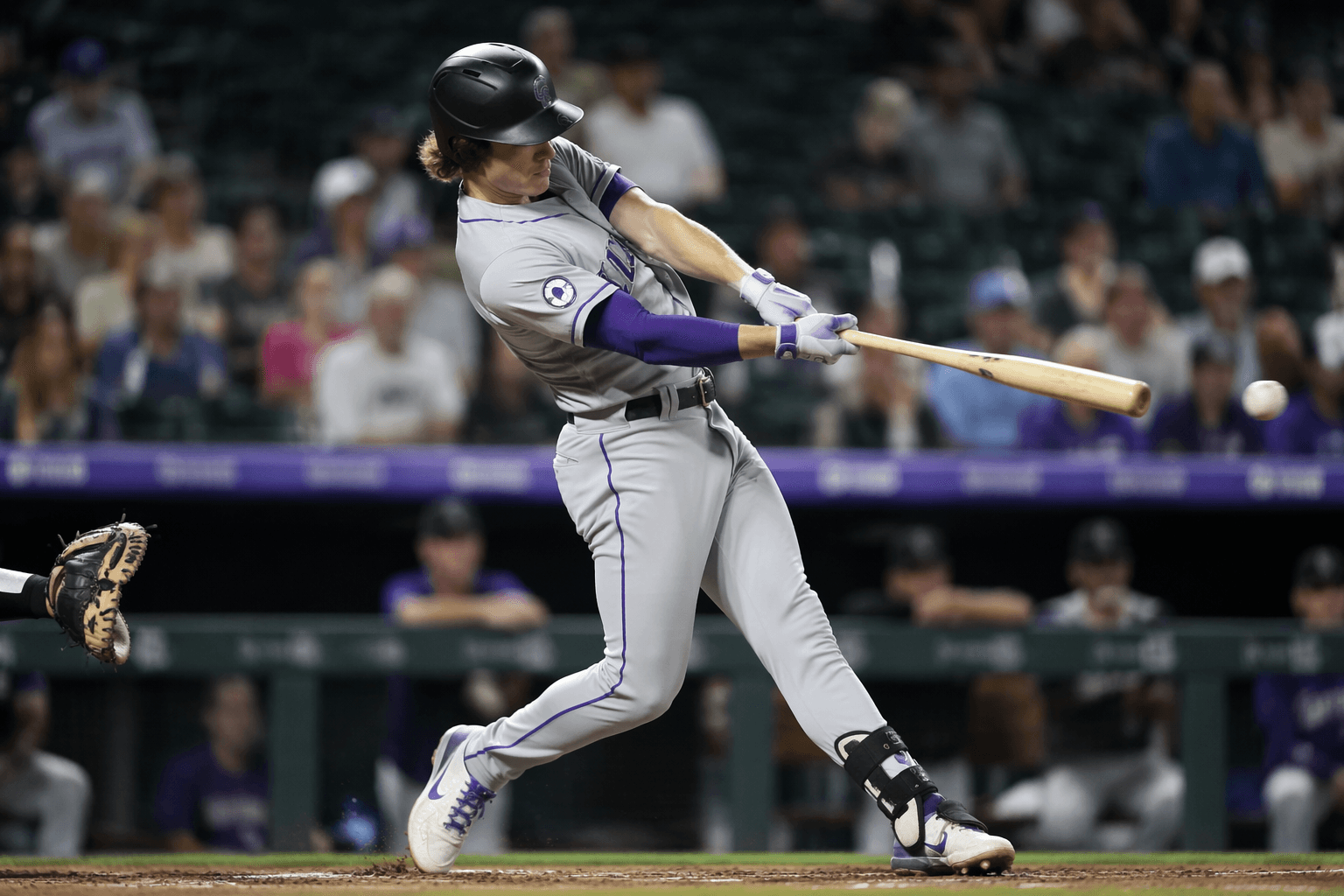
9. Colorado Rockies, Albuquerque Isotopes
The Rockies’ highlighted NRI brings a veteran profile that helps Albuquerque manage the hitter‑friendly environment by offering a bullpen or bench veteran with experience at altitude. That veteran cushion means top Isotopes prospects won’t be the only ones absorbing the early‑season altitude learning curve.
10. Detroit Tigers, Toledo Mud Hens
Detroit’s top NRI gives Toledo a veteran option who can be relied upon as rotation depth or an experienced bench piece, helping the Tigers avoid pushing a top prospect into major‑league competition before they’re ready. From a Triple‑A construction standpoint, that steadies the Mud Hens’ clubhouse in the first month when callups spike.
11. Houston Astros, Sugar Land Space Cowboys
Houston’s NRI selection strengthens Sugar Land’s veteran depth, crucial for an organization that prioritizes controlled runway for top prospects. The Space Cowboys get a low‑risk option that can be called up for innings without disrupting the Astros’ plan for roster protection and arbitration timelines.
12. Kansas City Royals, Omaha Storm Chasers
Kansas City’s top non‑roster invite gives Omaha an experienced bat or arm to anchor the roster while Royals top prospects continue to develop. That creates a buffer for Omaha, which reduces the pressure to promote marginal prospects prematurely when big‑league injuries occur.
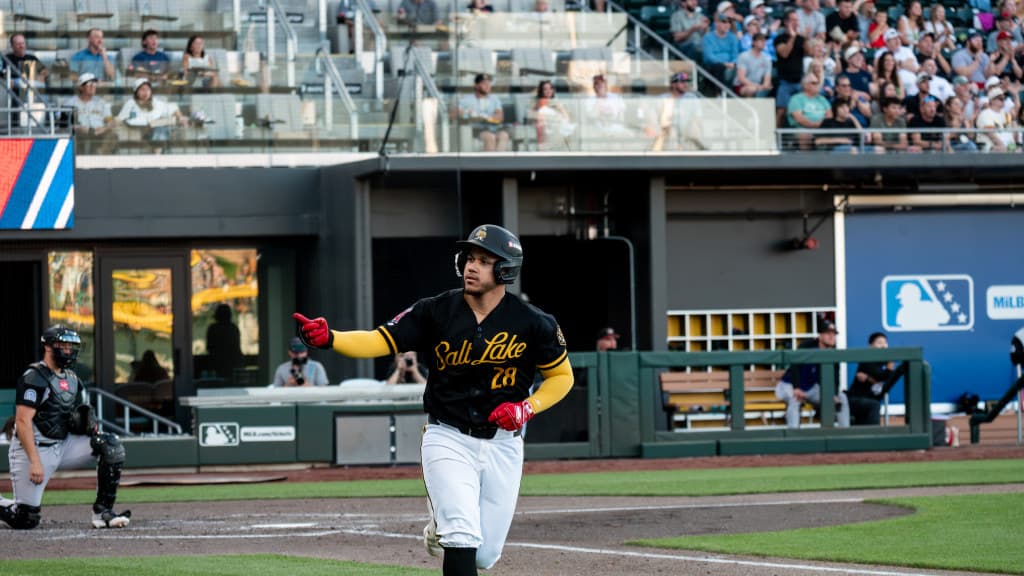
13. Los Angeles Angels, Salt Lake Bees
The Angels’ NRI is designed to supply Salt Lake with veteran versatility, useful against the rigors of a long Triple‑A season in a hitter’s park. The Bees benefit because that veteran can soak innings or plate appearances, allowing LA to manage its 40‑man composition and delay service‑time moves.
14. Los Angeles Dodgers, Oklahoma City Dodgers
Los Angeles’ pick as top NRI will likely be the veteran who keeps the Oklahoma City depth chart functional amid the Dodgers’ roster churn. Given LA’s frequent midseason trades and recalls, Oklahoma City needs such an NRI to prevent a prospect logjam and to provide immediate major‑league‑ready reinforcements.
15. Miami Marlins, Jacksonville Jumbo Shrimp
Miami’s NRI target offers Jacksonville a safe veteran profile that fills intermittent needs without affecting the Marlins’ aggressive prospect timeline. The presence of that veteran in Triple‑A keeps the Jumbo Shrimp competitive while protecting high‑upside talents from rushed promotions.
16. Milwaukee Brewers, Nashville Sounds
Milwaukee’s top NRI gives Nashville a veteran arm or bat to anchor the lineup when Brewers prospects are on the rise. For the Sounds, this NRI reduces the likelihood of emergency promotions and helps Milwaukee manage the 40‑man in advance of potential midseason acquisitions.

17. Minnesota Twins, St. Paul Saints
Minnesota’s NRI selection provides the St. Paul roster with a championship‑season kind of veteran, the sort who can mentor while producing reliable innings or at‑bats. That mentorship element is the practical Triple‑A impact: prospects get a professional spacer who can be moved to the majors without roster drama.
18. New York Yankees, Scranton/Wilkes‑Barre RailRiders
The Yankees’ top NRI serves as a clear depth piece for Scranton/Wilkes‑Barre, important in an organization that juggles top prospects and veteran free agents. The RailRiders benefit because the NRI can be a stopgap that prevents the Yankees from burning an option on a younger player.
19. New York Mets, Syracuse Mets
New York’s NRI helps Syracuse by supplying positional versatility and veteran stability, useful when the Mets’ big‑league roster tightens. That stability matters for Syracuse’s infield/outfield mix and reduces the risk the Mets will need to clear a 40‑man spot in a hurry.
20. Oakland Athletics, Las Vegas Aviators
Oakland’s NRI is a veteran depth addition aimed at Las Vegas, where the Aviators’ lineup needs experienced hands to steady development. The Aviators use that player to bridge the gap between high‑variance prospects and the majors, keeping the A’s from having to trade for short‑term help.
21. Philadelphia Phillies, Lehigh Valley IronPigs
Philadelphia’s chosen NRI gives Lehigh Valley a reliable bat or arm that can be dispatched without roster gymnastics when the Phillies are thin. For the IronPigs that means fewer rushed debuts for prospects and more controlled options for Philly during early‑season attrition.
22. Pittsburgh Pirates, Indianapolis Indians
Pittsburgh’s top NRI delivers veteran know‑how to Indianapolis, which is valuable as the Pirates balance long‑term building with immediate depth needs. The Indians can use that NRI to limit service‑time pressure on higher ceiling prospects.
23. San Diego Padres, El Paso Chihuahuas
San Diego’s NRI brings El Paso a veteran presence that’s especially useful in late‑season playoff pushes or during DFA cascades from the major league club. The Chihuahuas get a stopgap who can be promoted without the club having to restructure the 40‑man.
24. San Francisco Giants, Sacramento River Cats
San Francisco’s selection as top NRI adds a seasoned option to Sacramento’s roster, letting the Giants shelter promising bats and arms. That veteran helps Sacramento remain competitive while the Giants preserve roster flexibility for midseason trades or claims.
25. Seattle Mariners, Tacoma Rainiers
Seattle’s NRI choice is the kind of experienced depth that keeps Tacoma stable when the Mariners make roster moves around service‑time and arbitration. The Rainiers benefit from predictable production that lets Seattle gauge which prospects are actually ready for big‑league exposure.
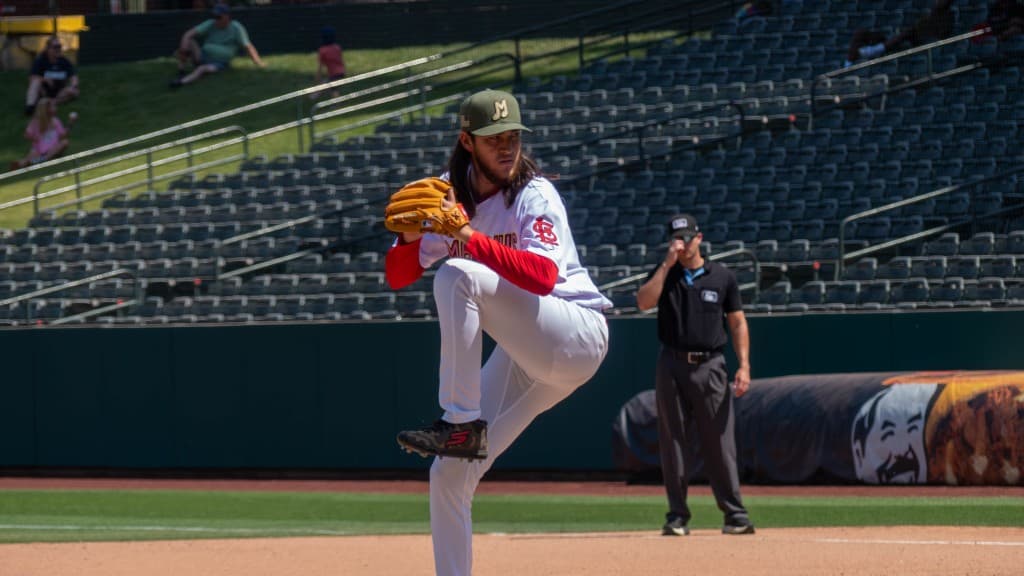
26. St. Louis Cardinals, Memphis Redbirds
St. Louis’ NRI gives Memphis veteran depth to handle the annual churn caused by injuries and promotions in the Cardinals’ system. The Redbirds can slot that player into high‑leverage roles without the organization having to force a top prospect into the majors prematurely.
27. Tampa Bay Rays, Durham Bulls
Tampa Bay’s top non‑roster invite strengthens Durham with an adaptable veteran who fits the Rays’ preference for flexible, high‑IQ players. Durham’s roster gains an orchestral conductor of sorts, someone who can smooth the transition when the Rays cycle prospects through the majors.
28. Texas Rangers, Round Rock Express
Texas’ selection provides Round Rock with a veteran that stabilizes the clubhouse and preserves the Rangers’ preferred promotion windows. That ensures prospects in Round Rock face the full Triple‑A seasoning process rather than a short, disruptive cup‑of‑coffee callup.
29. Toronto Blue Jays, Buffalo Bisons
Toronto’s NRI gives Buffalo an experienced bat or arm useful for steadiness in a lineup with rising prospects. The Bisons benefit because the Blue Jays can delay 40‑man decisions and protect arbitration timelines while still having a big‑league‑ready option.
30. Washington Nationals, Rochester Red Wings
Washington’s top non‑roster invite offers Rochester veteran stability, which is important while the Nationals balance prospect advancement with competitive depth. The Red Wings get a player who can fill immediate needs and prevent the organization from accelerating promotions that would cost years of control.
Conclusion: CBS Sports’ pick for each club’s top non‑roster invite isn’t simply a Spring Training curiosity; in every case those NRIs function as roster engineering tools, smoothing Triple‑A depth charts, protecting 40‑man flexibility, and delaying service‑time decisions so clubs can extract more value from their top prospects.
This article was produced by Prism’s automated news system from verified source data, official records, and press releases, then run through automated quality and moderation checks before publishing. The system is built and supervised by the people who set the standards it runs under. Read our full AI policy.
Did this article answer your question?