FanGraphs Matrix Reloaded: Twins, Mets, Braves Additions Reshape Triple-A Callups
Twins, Mets and Braves veteran additions have shifted Triple-A depth charts, changing early-season callup scenarios and squeezing roster opportunities for prospects.

The Twins' addition of reliever Taylor Rogers and the Mets' signing of veteran hurler Luis García have materially altered the Triple-A landscape this winter, while unspecified Braves pickups reshuffle Gwinnett's relief and infield depth. These moves stack big-league insurance atop already crowded depth charts, pushing a number of pitchers and relievers toward Triple-A starts and tightening the early-season path to Major League innings.
Taylor Rogers brings established big-league lefty experience that immediately affects the St. Paul Saints' bullpen pecking order and the Twins' short-term roster calculus. Justin Topa and Kody Funderburk are two names singled out as likely competitors impacted by the signing; both now face a deeper veteran presence blocking immediate big-league opportunities. That dynamic shifts how the Twins will manage options and late-inning matchups, and it increases the value of roster flexibility for September expansions and midseason trades.
The Mets' embrace of Luis García strengthens rotation insurance for the Syracuse/Rochester pipeline. García's acquisition creates clearer veteran depth ahead of the club's top prospects, meaning innings that might have gone to inexperienced arms could now be allocated to a swingman with Major League track record. For Syracuse and Rochester, that changes the urgency on pushing prospects and amplifies the importance of early-season performance for pitchers fighting for rotation spots or shuttle duty.
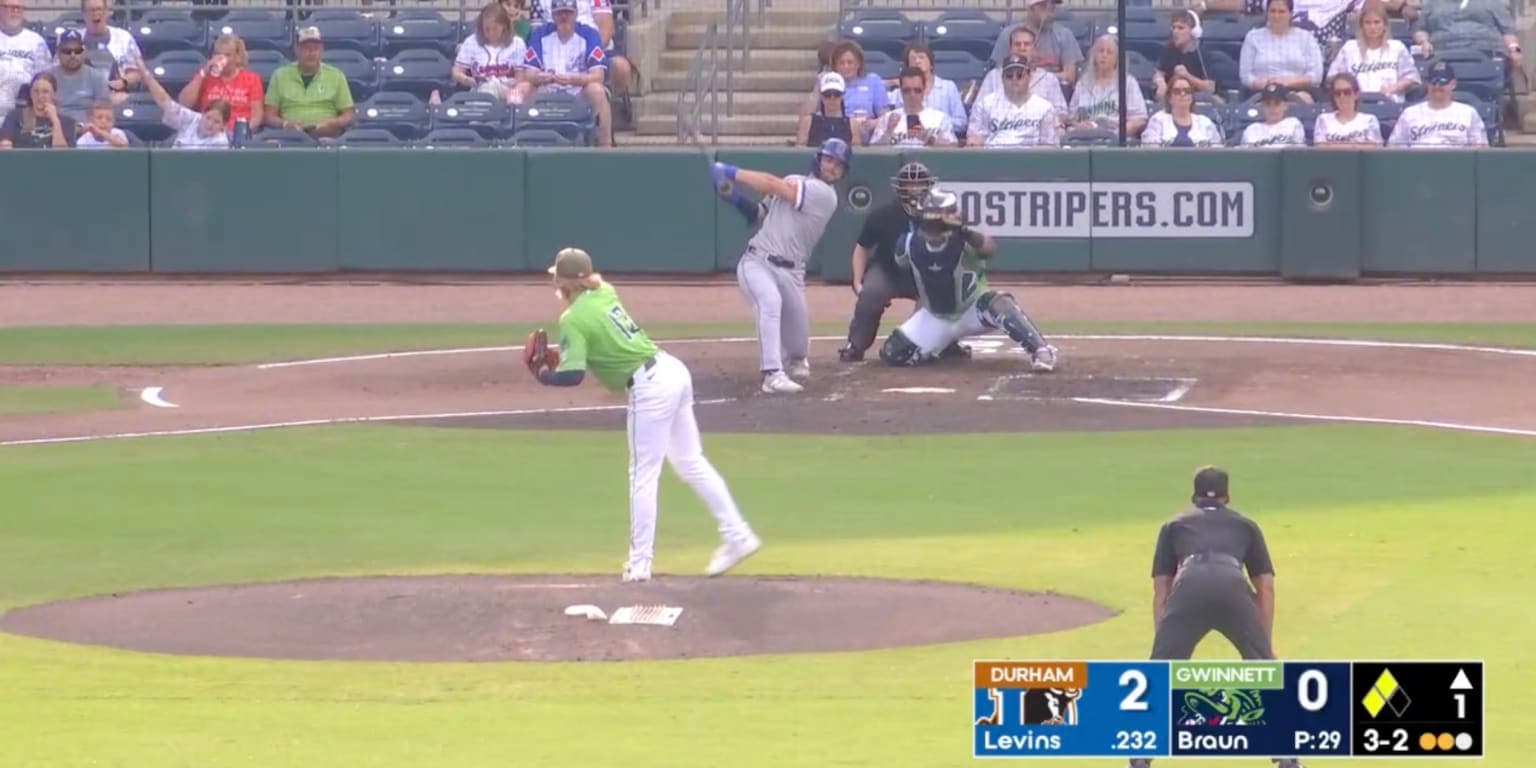
Braves additions will push changes through Gwinnett's relief corps and infield depth chart. Bringing in experienced relievers and infield options tends to shorten leashes for Triple-A candidates and makes the Stripers a more veteran-driven holding pattern for players on the cusp. That pattern often results in a two-way effect: younger players benefit from mentorship but also face fewer immediate callup windows.
Beyond roster mechanics, these signings reflect broader industry trends. Clubs increasingly hedge prospect risk by layering veteran, low-cost insurance on 40-man rosters to preserve service-time flexibility and avoid emergency promotions. That strategy shapes Triple-A rosters into developmental classrooms and veteran staging areas simultaneously, with implications for player career arcs and local fan engagement. For Triple-A communities, the presence of recognizable veterans can boost early-season interest and gate revenue but may also complicate the narrative of a pure prospect showcase.
For fans tracking callups, the key watch points are the Twins' St. Paul bullpen battle featuring Topa and Funderburk, rotation depth in Syracuse and Rochester behind García, and Gwinnett's reshaped relief and infield mix. These roster moves will determine who starts 2026 in Triple-A, who is first in line for an emergency promotion, and which prospects must accelerate performance to force a roster decision. Expect close attention to spring training deployment and option usage as the calendar moves toward Opening Day.
Know something we missed? Have a correction or additional information?
Submit a Tip