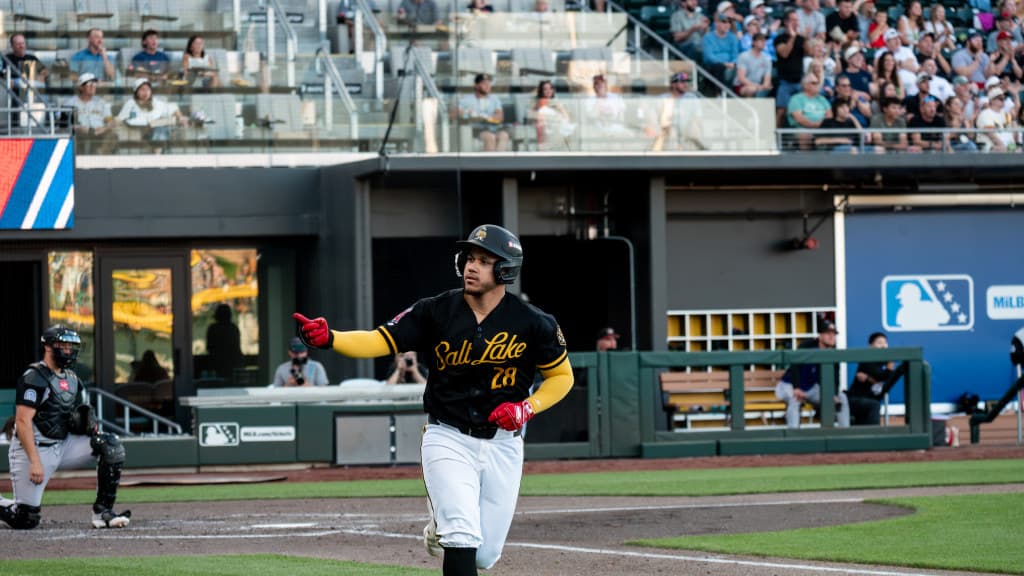
Inside Triple-A Baseball: Structure, Teams and Path to MLB
Triple-A is the final proving ground before MLB, with 30 affiliated teams and a restructured landscape that shapes promotions, local economies, and the business of baseball.

Triple-A baseball sits one step below the major leagues and functions as the final proving ground for players, a staging area for rehabs, and a strategic depth chart for big-league clubs. Historically organized around the International League and the Pacific Coast League, Triple-A today consists of 30 affiliated teams aligned with the 30 MLB clubs. That alignment shapes on-field decisions, travel logistics, and the economics of player development.
At the roster level Triple-A houses prospects on the cusp of promotion, veteran pitchers working on mechanics, and recently optioned or rehabbing MLB players. Clubs use Triple-A to manage service-time decisions and injury cover; a well-timed call-up can alter a major-league roster’s competitiveness overnight. The leagues’ calendars and playoff structures mirror the majors in ways that test players under pressure, while proximity between some affiliates and their parent clubs reduces turnaround times for rehab assignments.
Industry trends since the MLB-led restructuring include tighter geographic alignment of affiliates and a focus on operational stability. MLB’s greater control of the minor-league system has led to fewer, more standardized facilities and scheduling aimed at reducing travel and improving player conditions. For front offices, Triple-A now functions as both a talent pipeline and a reserve of controllable assets that can be moved for immediate roster needs or packaged in trades.
The business implications are visible in gate receipts, local sponsorships, and community engagement. Triple-A clubs are economic engines in mid-size markets, driving nights at the ballpark and creating advertising inventory for regional brands. Franchise stability matters; when an affiliate relocates or rebrands the ripple effects touch hospitality, local employment, and seasonal tourism. Those business dynamics also feed back into competitive strategies as clubs invest in training facilities and analytics at the Triple-A level to accelerate readiness.

Culturally Triple-A has its own identity. Fans come for future stars and for veteran performers who sustain high-level competition. Rivalries rooted in historical league alignments still energize local fan bases, and the clubhouse mix of prospects and seasoned professionals creates storytelling that resonates with scouts and broadcasters alike. Socially, Triple-A provides visibility for players from diverse backgrounds and remains a critical node in the pathway to major-league livelihoods.
For readers planning the season, Triple-A means closer access to the next wave of talent and a preview of how MLB rosters might evolve. Watch spring training outcomes and roster moves to see which prospects stick and which veterans become short-term answers for MLB clubs. The Triple-A landscape continues to influence the sport on the field, in local economies, and across the business of baseball.
This article was produced by Prism’s automated news system from verified source data, official records, and press releases, then run through automated quality and moderation checks before publishing. The system is built and supervised by the people who set the standards it runs under. Read our full AI policy.
Did this article answer your question?