Inside Triple-A: Roster Construction, Rehab Plans, Workload and Analytics
Triple-A rosters balance top prospects, veteran depth and MLB rehab work with deliberate workload plans and analytics-driven mechanical tweaks that shape call-ups.
Triple-A is the last hinge between prospect promise and big league impact, and front offices are treating it as such. Rosters are built to satisfy three competing needs: showcase and finish high-end prospects, provide veteran depth capable of immediate MLB contribution, and accept day-to-day MLB rehab assignments. That mix drives staffing, workload models and the analytics investments now standard across the level.
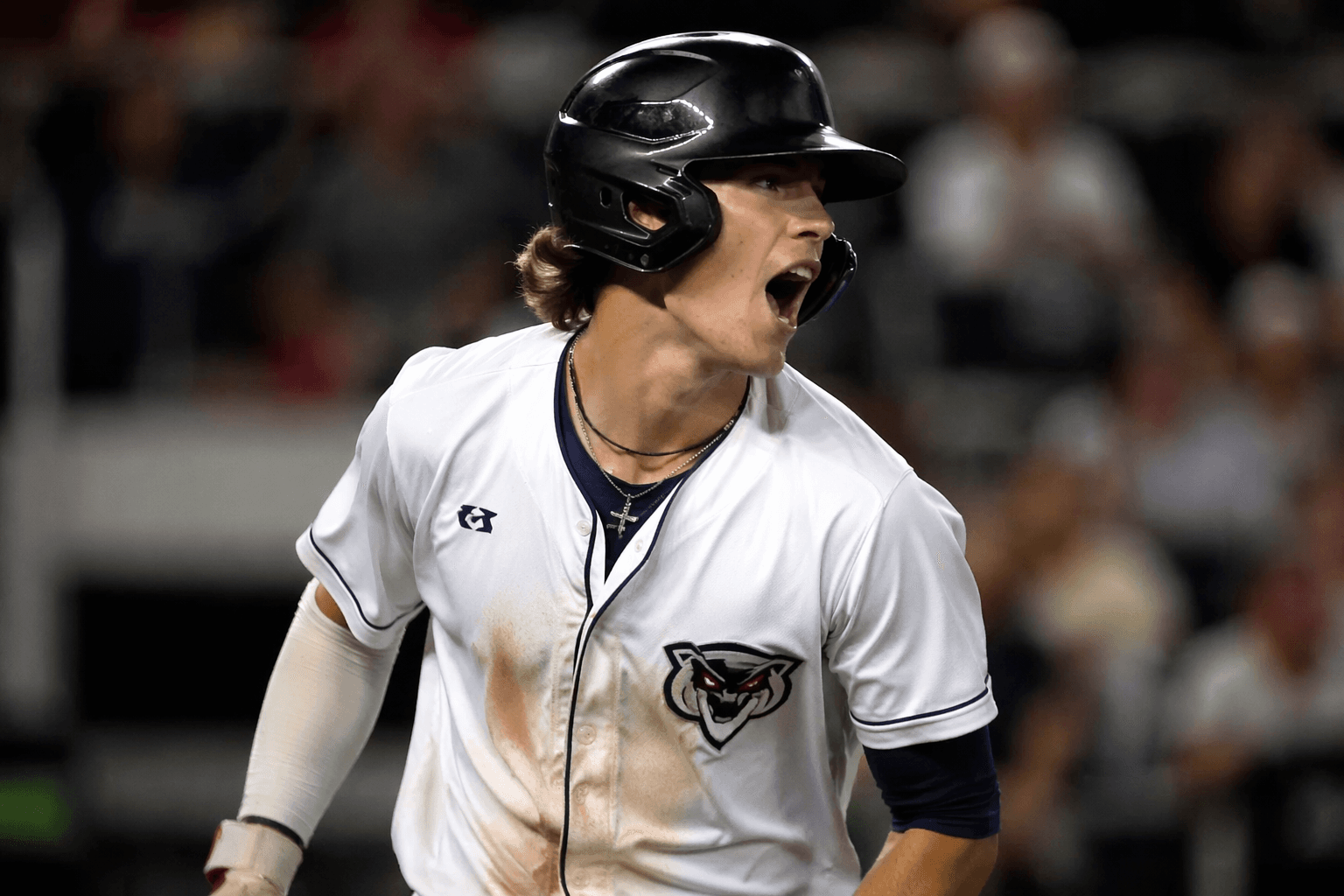
At the roster level, clubs layer top prospects with experienced veterans who can absorb innings or step into big league roles. For hitters the common signal for a promotion remains clear: a .275/.360/.475 slash line at Triple-A often prompts a look from the major league club. For relievers, organizations cite a 2.50-3.50 ERA coupled with a 27-30% strikeout rate as a typical threshold that moves a late-inning arm onto the radar. Those thresholds are not guarantees but operational benchmarks that guide mid-season promotions and September roster planning.
Workload management has evolved from simple pitch limits to programmatic, season-long models. Starters follow phased innings ramps in spring and early summer, with piggyback starts and scheduled below-average workloads used to protect developing arms. Multi-year rehab plans for pitchers now include phased pitch counts, progressive bullpens, and simulated games against controlled hitters before in-game returns. For relievers, Triple-A bullpens have shifted toward a hybrid model that preserves high-leverage options while cultivating "bulk" relievers who can bridge multiple innings when needed.
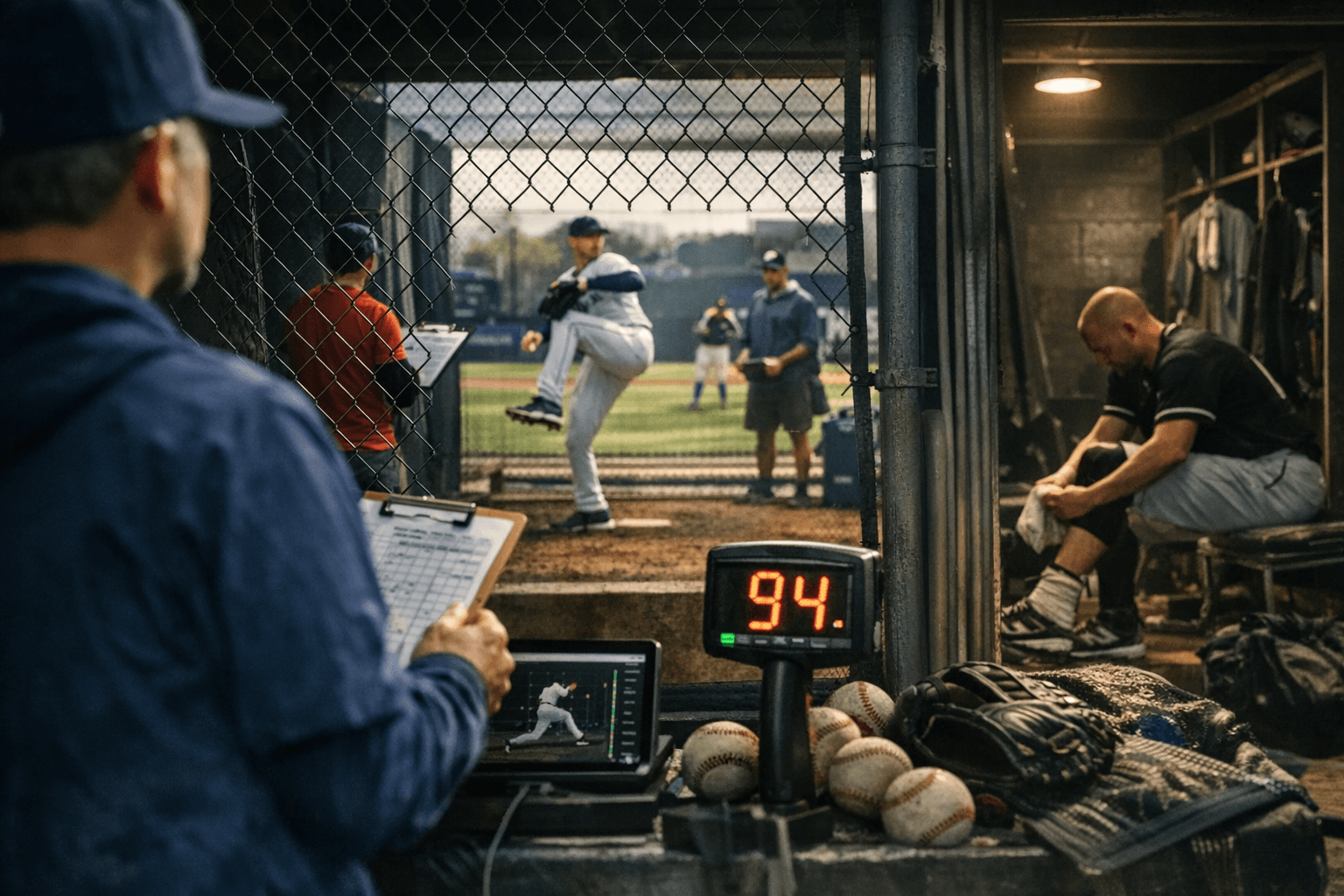
Analytics and Driveline-style programming are woven into daily routines. Teams use spin rate and release-point profiling, biomechanical screening, and individualized weighted-ball progressions to diagnose mechanical holes and prescribe fixes. Video capture in the clubhouse pairs with sports science metrics to track recovery and mechanical drift. That integration affects promotions; a reliever with a 29% K rate but deteriorating spin stability will face more conservative handling than a mechanically consistent arm with similar numbers.
Clubhouse staffing reflects these demands. Triple-A clubs now routinely carry a pitching coordinator, strength and conditioning coach, sports scientist, multiple athletic trainers, and video analysts to meet both development and MLB rehab standards. To host MLB rehab assignments, facilities must provide major-league caliber mounds, controlled indoor bullpens, imaging capabilities and an on-site medical team capable of handling pregame and post-injury protocols. Hosting rehabs remains a business asset, increasing ticket sales and local engagement while placing operational demands on minor league staffs.
Culturally, Triple-A remains a laboratory where veterans mentor prospects and where local fans see future stars in real time. For front office staffers and beat reporters, the level is less about box scores and more about threshold metrics, workload trajectories and mechanical data that forecast readiness. Expect teams to double down on analytics and structured rehab programs in the coming seasons as clubs try to shorten the path to sustained MLB performance while protecting player health and long-term value.
This article was produced by Prism’s automated news system from verified source data, official records, and press releases, then run through automated quality and moderation checks before publishing. The system is built and supervised by the people who set the standards it runs under. Read our full AI policy.
Did this article answer your question?