Jackie Robinson’s 1946 Montreal Royals season defined Triple-A greatness
Jackie Robinson turned Montreal’s Triple-A season into a proving ground, then led the Royals to a 100-54 record and a Junior World Series title.
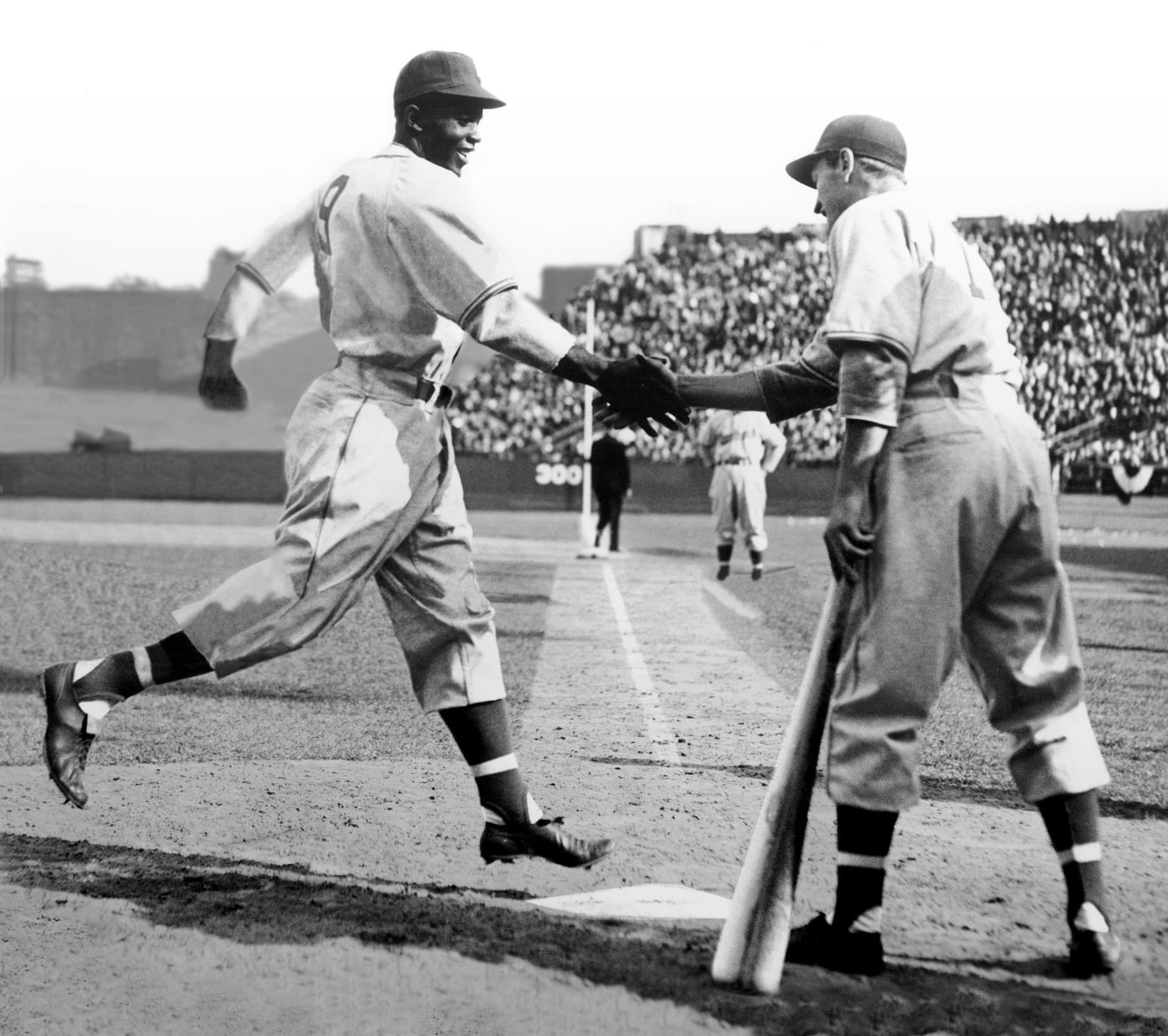
Jackie Robinson made Triple-A feel bigger than a waiting room for the majors. In Montreal, the highest level of the minors became a place where baseball history was written in full view, and Robinson’s 1946 season showed exactly why that mattered. He was not just a future star passing through, he was a player under pressure, producing at an elite level while baseball’s color barrier was still being challenged in real time.
Triple-A was the stage, not the stopover
Montreal’s 1946 club was built to win, and it did. The Royals finished 100-54, posted the best record in the International League for a second straight season, and kept Robinson in the middle of a pennant race that mattered every night. That is what made the season so consequential at the Triple-A level: this was not an exhibition of promise, it was a championship team with a player carrying the most publicized burden in the sport.
Robinson’s first game with the Royals came on April 18, 1946, at Roosevelt Stadium in Jersey City, and the setting captured the tension around the season from the start. Some opposing fans shouted racial slurs, while Black supporters from Harlem, Brooklyn, Philadelphia, and Baltimore came to cheer him on. By the time the club settled into its routine, Montreal had become something rare in the minors, a city where Robinson was embraced for his play and watched for everything else he represented.

The numbers were as dominant as the moment
Even before the larger social meaning is considered, Robinson’s line with Montreal stands out as one of the most complete seasons ever posted at the Triple-A level. In 124 games, he logged 553 plate appearances and 444 at-bats, scored 113 runs, collected 155 hits, and piled up 25 doubles, 8 triples, and 3 home runs. He added 66 runs batted in, 40 stolen bases, 92 walks, and only 27 strikeouts, a ratio that shows how often he forced the game to come to him.
The rate stats tell the same story. Robinson hit .349, reached base at a .468 clip, slugged .462, and finished with a .929 OPS. He led the International League in batting average and runs scored, and his .349 mark stood as a Royals record. The full profile, from plate discipline to speed to run production, made him the rare Triple-A player who could control a game in every phase without needing a perfect night to do it.
Montreal was a pressure cooker for integration
The Royals’ season carried a weight beyond standings and box scores because Robinson was playing through baseball’s first real integration test in organized baseball. Branch Rickey hired Clay Hopper, a Mississippi native, to manage Montreal in December 1945, and Hopper became Robinson’s first manager in integrated baseball. That detail matters because it placed Robinson in a major-league caliber environment with travel, media attention, clubhouse scrutiny, and nightly road games, all while the sport was still deciding how to respond to him.
Montreal’s roster also included Roy Partlow and Johnny Wright, who became the first African-American players in the minor leagues in 30 years. The presence of those players gave the club a broader historical footprint than one headline name. It also underscored how Triple-A in 1946 was no longer just about storing prospects, it was a proving ground where race, performance, and public pressure collided at the level just below the majors.
The season moved through sharply different receptions. Montreal fans made Robinson a local hero, but the road told another story, including hostile reactions in Baltimore. That contrast is part of why the 1946 Royals season sits so high in the hierarchy of Triple-A history: the level was close enough to the majors to expose a player to the same travel demands and scrutiny, but it was still minor-league baseball, where every stop could become a referendum.
The Junior World Series gave the season its proper finish
The Royals’ run ended with a title that still gives the season its cleanest Triple-A ending. Montreal beat the Louisville Colonels four games to two in the 1946 Junior World Series, the championship series historically known as the Little World Series. The first three games were played in Louisville, a hostile environment for Robinson, before the series shifted to Montreal and the Royals finished the job at home.
Game 4 in Montreal went 10 innings, a reminder that the championship was earned in the same pressure that defined the regular season. The Royals’ victory was also notable for the format around it, because the 1946 Junior World Series was the first in nine years in which the teams with the best regular-season records in their leagues both reached the series. That made the matchup feel like a true collision of the best upper-level minor-league clubs, not a bracket accident.
The Junior World Series itself ran from 1931 to 1975, and Robinson’s 1946 title sits near the center of that tradition. Montreal did not just win a championship, it finished a season that tested a player, a manager, a city, and a league under the highest minor-league stakes available. That is why the 1946 Royals remain the clearest example of Triple-A greatness: the season produced elite numbers, a 100-win team, and a title, while also serving as one of baseball’s most visible dress rehearsals for the end of segregation.
This article was produced by Prism’s automated news system from verified source data, official records, and press releases, then run through automated quality and moderation checks before publishing. The system is built and supervised by the people who set the standards it runs under. Read our full AI policy.
Did this article answer your question?