José Berríos Struggles in Buffalo Rehab Start, Return Timeline Uncertain
José Berríos’ Buffalo tune-up got rocky fast: five runs, two homers, and a 91.9 mph fastball turned a rehab start into a timing question.
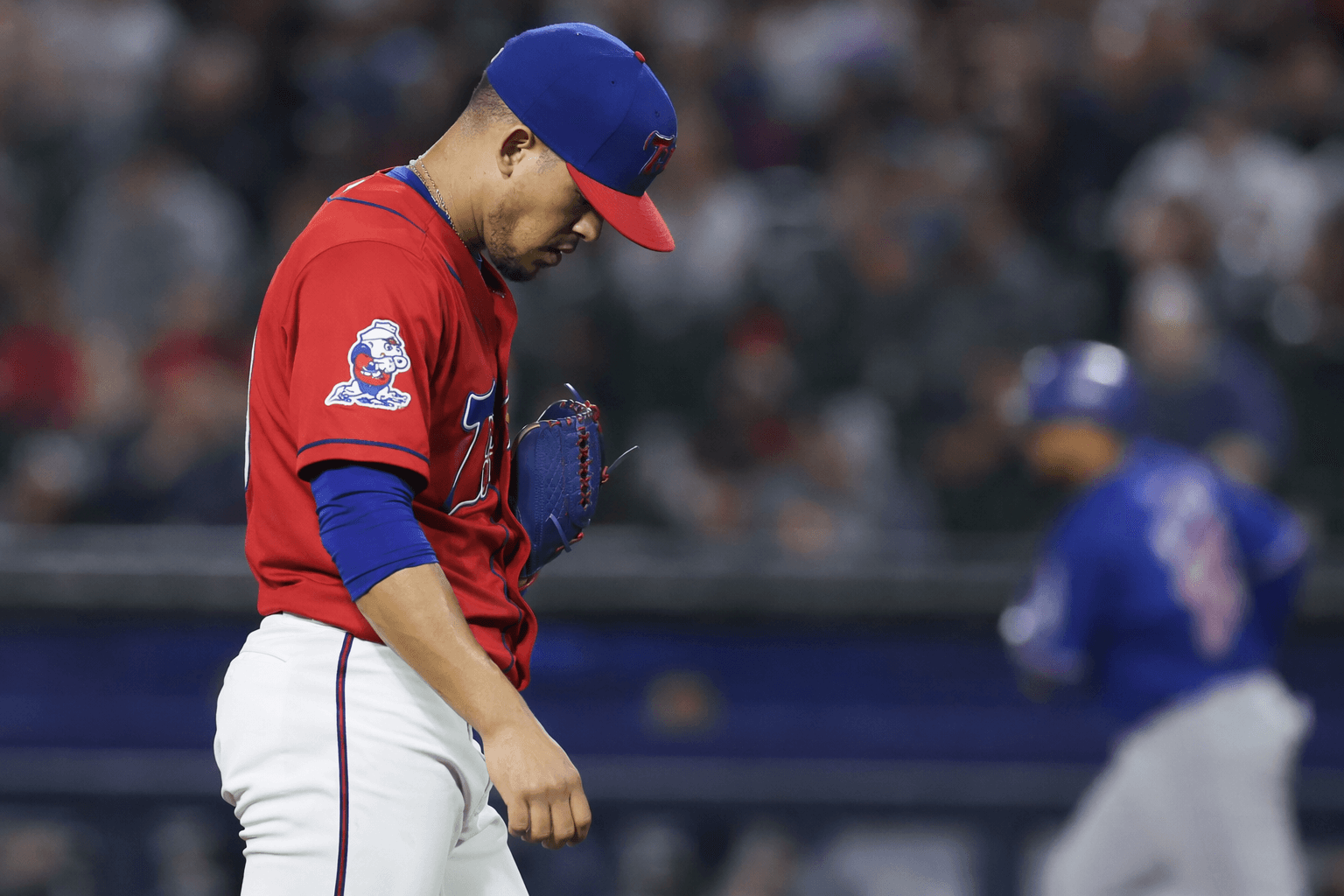
José Berríos did not pitch like a starter on the verge of forcing Toronto’s hand. In Buffalo against the Scranton/Wilkes-Barre RailRiders, the Blue Jays right-hander gave up five earned runs, including two home runs, over four innings, and his rehab clock suddenly looked less like a countdown than a question mark.
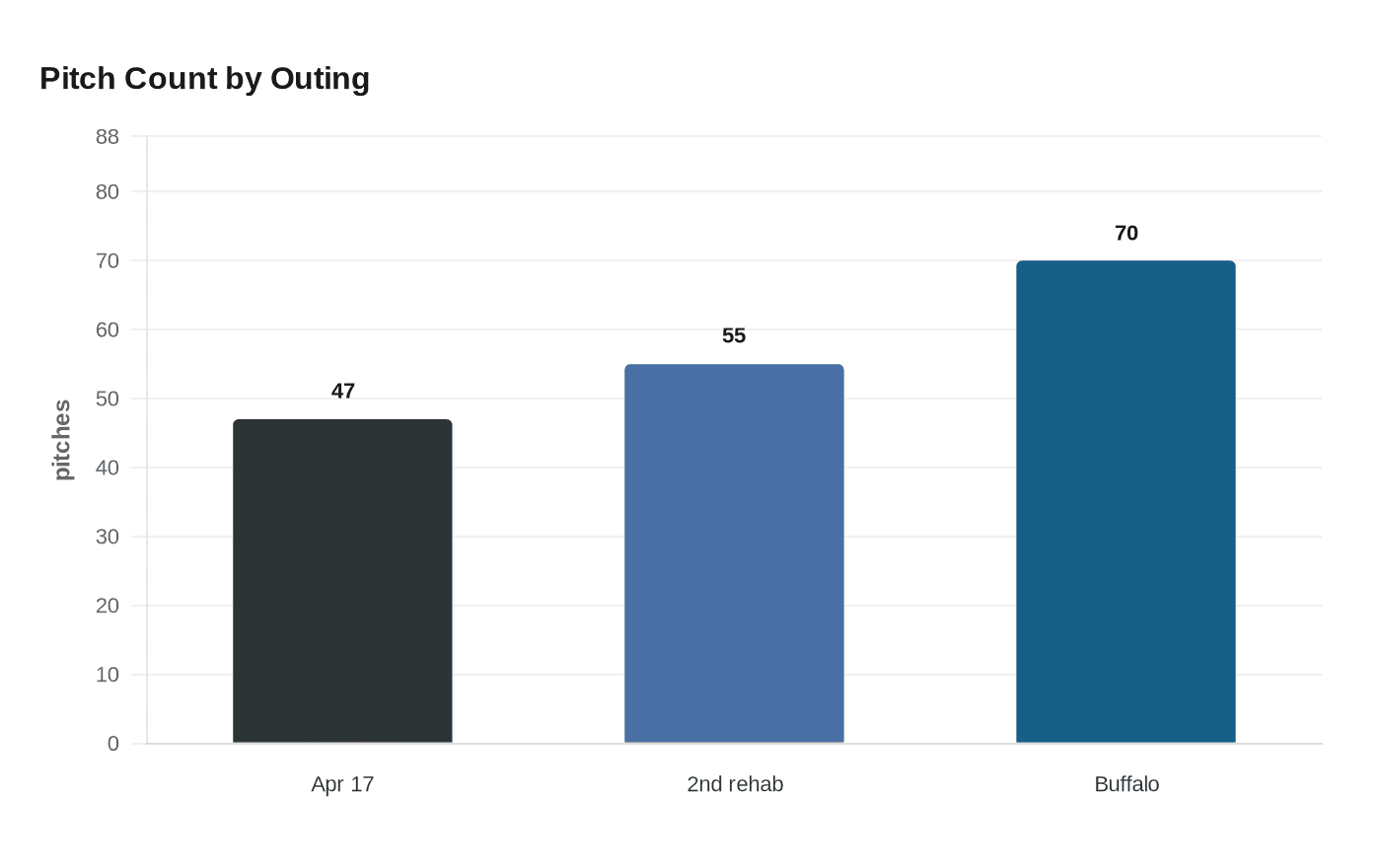
The line was hard to miss: five hits, two walks, two strikeouts and 70 pitches, with only 42 of them for strikes. The more revealing number was the fastball. Berríos averaged 91.9 mph, a step down from the kind of life Toronto has been trying to see as he works back from injury. For a pitcher whose value is built on commanding the zone and changing eye level with a full-speed heater, that kind of outing does not scream imminent activation.
That matters because this was supposed to be the bridge back. Berríos opened the season on the 15-day injured list with a stress fracture in his elbow, and an MRI done ahead of World Baseball Classic insurance paperwork had already shown elbow inflammation in camp. He never got the chance to pitch for Puerto Rico in the tournament, a loss that hit him hard and added emotional weight to a rehab process already tied to Toronto’s rotation plans.
The contrast with his earlier work made Buffalo stand out even more. In his first rehab start with Single-A Dunedin on April 17, he went 2 2/3 innings and threw 47 pitches. His second rehab outing looked much more encouraging, with four scoreless innings, 55 pitches, six whiffs and a fastball averaging 93.5 mph that topped out at 94.8. That version of Berríos suggested a pitcher tightening the screws. Buffalo suggested a pitcher still searching for the right gear.
Toronto will keep watching the build-up, but the path back is no longer clean. A 70-pitch workload is useful only if the stuff backs it up, and this time the results and the radar gun both pointed in the wrong direction. After a night like this, activation feels less like a formality and more like a decision the Blue Jays have to think through again.
This article was produced by Prism’s automated news system from verified source data, official records, and press releases, then run through automated quality and moderation checks before publishing. The system is built and supervised by the people who set the standards it runs under. Read our full AI policy.
Did this article answer your question?