Mets Acquire Switch-Hitting Utilityman Vidal Bruján; Lovelady DFA, Could Start in Syracuse
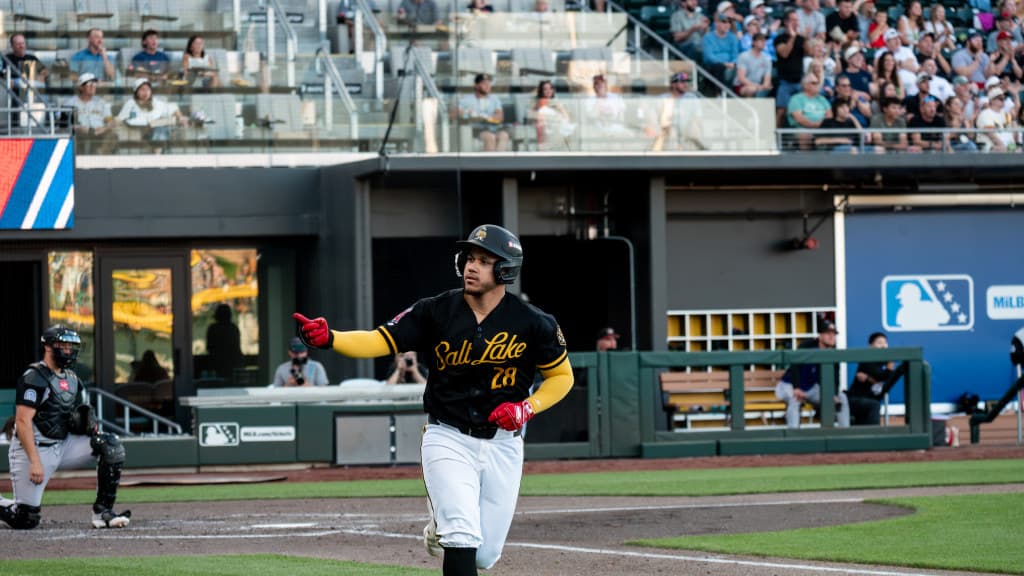
The Mets acquired switch-hitting utilityman Vidal Bruján and designated LHP Richard Lovelady for assignment, adding defensive versatility and low-cost depth that could land Bruján in Triple-A Syracuse.

The New York Mets bolstered organizational versatility by acquiring switch-hitting utility infielder Vidal Bruján from the Minnesota Twins on Jan. 22, 2026, and clearing a 40-man roster spot by designating left-hander Richard Lovelady for assignment. The move adds a multi-positional defender who can cover every infield spot and the outfield, giving the Mets insurance for injuries and late-inning roster flexibility.
Bruján, who turns 28 in February, has become a familiar figure in winter roster churn. He profiles as a classic utilityman - able to start at multiple positions and batter from both sides of the plate - traits that make him attractive as organizational depth. The Mets' calculus was straightforward: acquire low-cost, multi-positional insurance in exchange for cash considerations and open room on the 40-man roster for other needs. If Bruján does not secure a bench role out of spring training, he could begin the season at Triple-A Syracuse, where his defensive versatility could make him an everyday option and a first-call recall for New York.
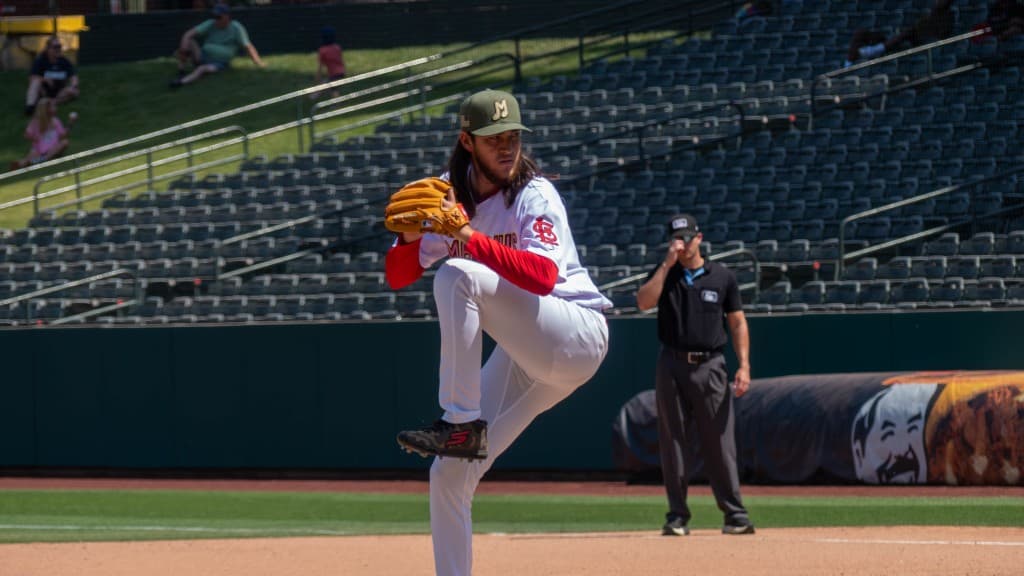
Designating Richard Lovelady for assignment underscores the business realities of roster management. Lovelady's removal from the 40-man roster creates immediate breathing room for the Mets, but it also highlights the precarious nature of bullpen and fringe-roster roles. The Mets now face a decision window on Lovelady's next destination or potential claim, while Bruján offers a low-risk alternative whose value is measured more in innings saved and lineup flexibility than in headline-grabbing statistics.
This transaction reflects broader industry trends toward valuing versatility and roster elasticity. Teams increasingly prize players who can fill multiple spots on a major-league bench while providing predictable performance in Triple-A. For the Mets, Bruján represents modern roster engineering: a switch-hitting, position-agnostic player who can stabilize late-game substitutions, cover injuries across the diamond, and reduce the need to carry extra bench players or taxi-squad options.
There are human and social dimensions to the move as well. Bruján's history as a frequent roster mover illustrates how career volatility affects veteran depth pieces; frequent shuttling between organizations and levels is now a professional reality for many players who are crucial to a club's day-to-day functioning. For Syracuse fans, Bruján arriving at Triple-A would mean a player capable of contributing immediately across the field and serving as an experienced mentor for younger infield prospects.
What comes next is clear: Bruján will compete in spring training for a bench role, and if he starts in Syracuse, he will be first among internal options for a midseason call-up. For Mets fans, the addition is a small but meaningful investment in flexibility that could pay dividends over a long 162-game season.
This article was produced by Prism’s automated news system from verified source data, official records, and press releases, then run through automated quality and moderation checks before publishing. The system is built and supervised by the people who set the standards it runs under. Read our full AI policy.
Did this article answer your question?