Minor League Statcast Available for Every Triple-A Game Starting 2023
Statcast tracking expanded to every Triple‑A game in 2023, giving fans and clubs pitch-level and batted-ball data to evaluate prospects and scout performance.

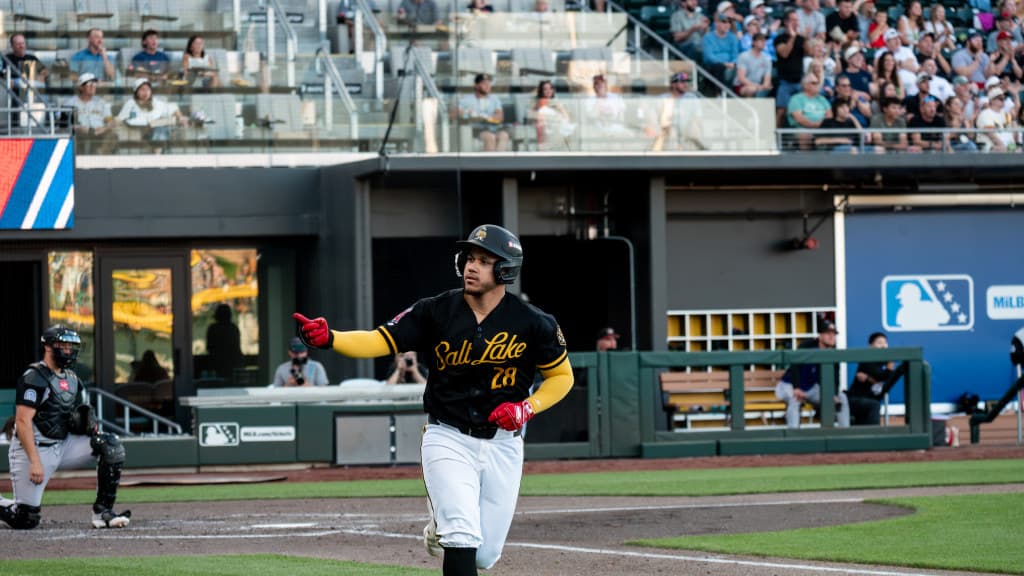
Statcast data has expanded to all of Triple‑A for the 2023 season, a move driven by the installation of automated ball/strike (ABS) and Statcast systems across MiLB Triple‑A parks. That infrastructure upgrade turned a scattered patchwork of park-level tracking into a uniform stream of per-pitch and per-batted‑ball metrics, opening Triple‑A to the same level of analytical scrutiny long applied in the majors.
The rollout follows earlier, phased coverage: BaseballSavant documents that Florida State League Single‑A games were tracked beginning in 2021, and Pacific Coast League and Charlotte home games were included in 2022. With the 2023 expansion, every Triple‑A game joined the Statcast universe, and BaseballSavant now labels the feature as "Statcast powered by Google Cloud."
For front offices and fans the change is immediate and practical. Sam Dykstra captured the sentiment when he asked, "Have you heard the good news?" and provided an accessible how-to: "It’s easier than ever to access individual‑game data on BaseballSavant.com." Dykstra outlines the steps: head to the "Gamefeed" tab, use the "level button" to select "Triple‑A" or "Single‑A (for FSL)," then open game breakdowns via "Direct Link" or click "Show All Games" to expand everything at once. Baseball Savant’s "Minor League Statcast Search" supports per-pitch, per-game, per-player, per-team and per-season queries, with metric definitions available in the MLB Glossary.
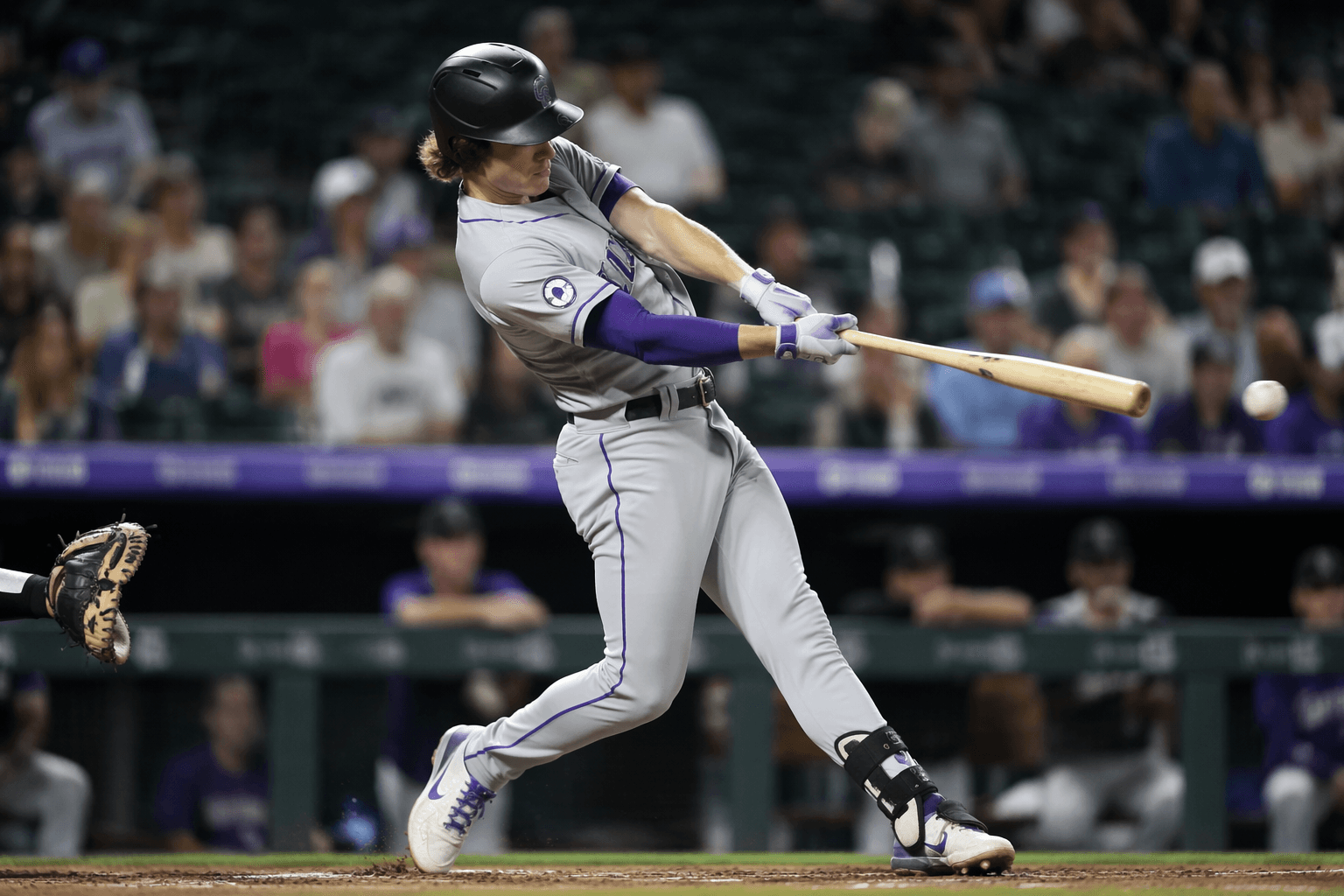
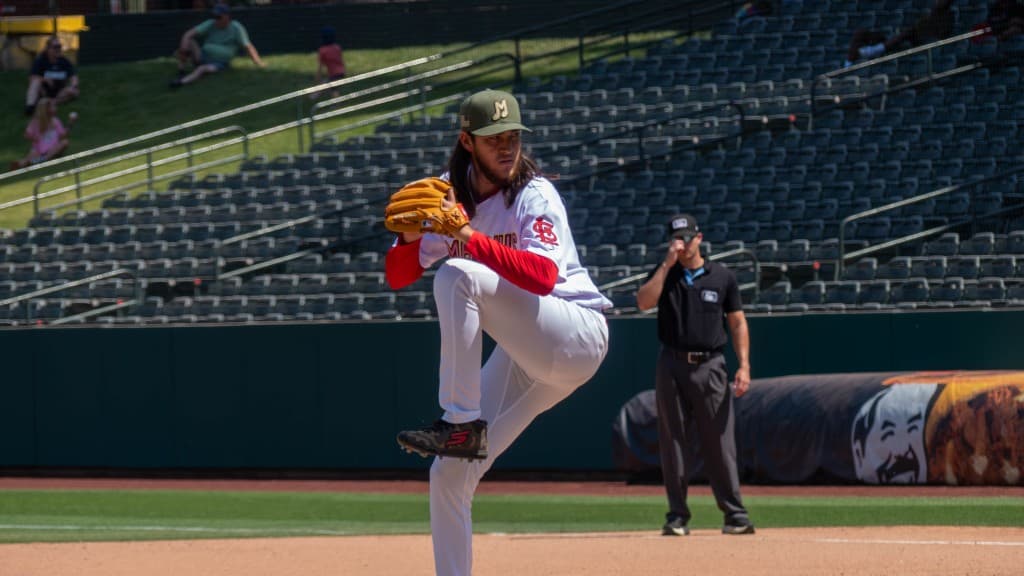
Concrete examples show why the tracking matters. Korey Lee, catcher for Triple‑A Sugar Land and an Astros prospect, posted an 87.3 mph 90th‑percentile throw from behind the plate and a 1.83‑second average pop time to second, and "has thrown out four of nine attempted basestealers during the first two weeks," per Dykstra’s example. Power prospects are likewise quantified: Deyvison De Los Santos hit 40 homers last season, launched five Triple‑A homers at 110 mph or harder, and produced a 114.2 mph, 471‑foot blast on June 14; the Marlins added the 21‑year‑old to their 40‑man roster and list him as Miami's No. 5 prospect. On the mound, Carson Whisenhunt’s Triple‑A changeup generated a 46.8% swing‑and‑miss rate and a 39.1% strikeout rate, cementing his status as San Francisco's top pitching prospect in 2024.
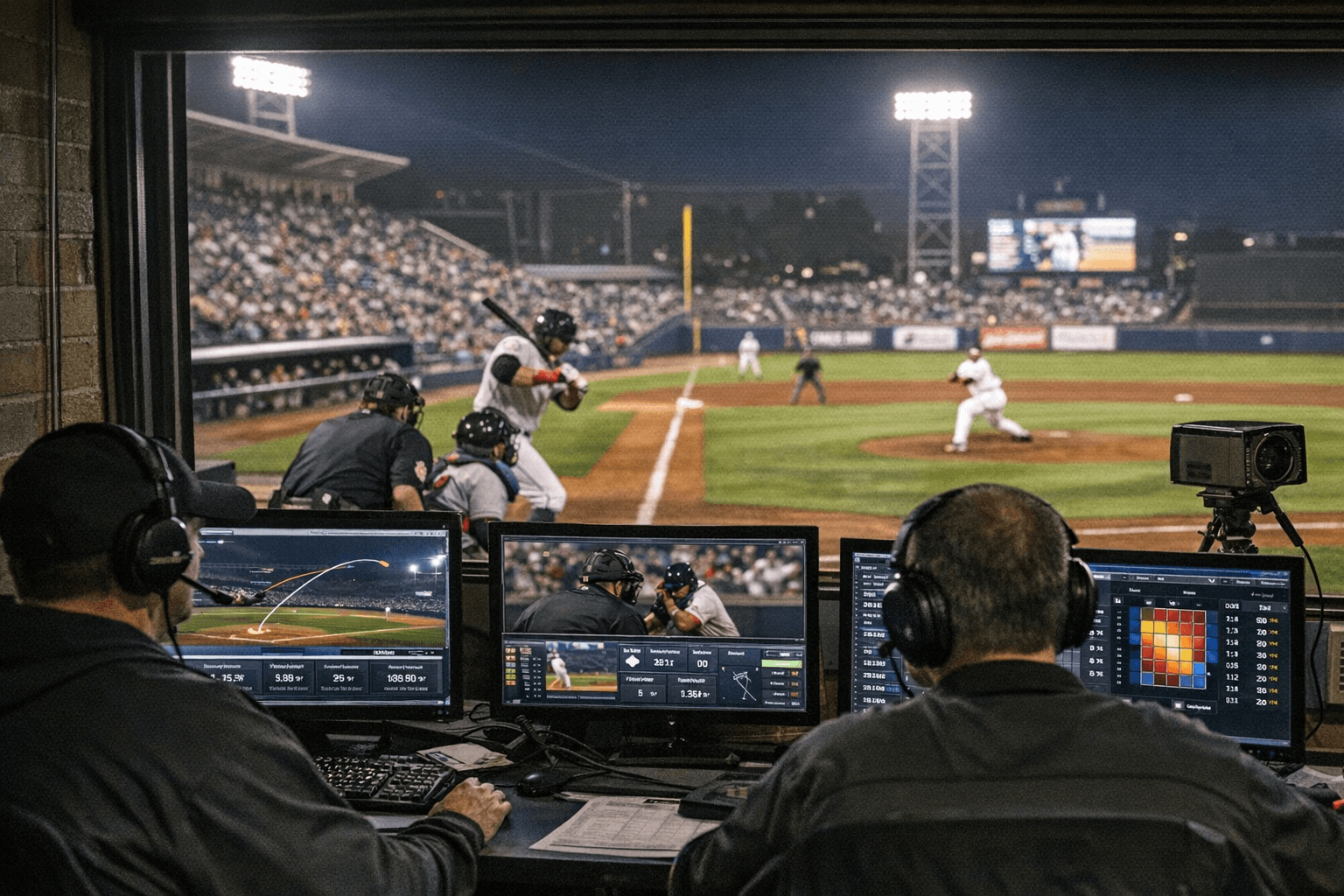
Analysts are already mining the archive. A FanGraphs study used full 2023 Triple‑A Statcast metrics - wOBAcon, xwOBAcon, barrel rate per batted ball event, and 90th‑percentile exit velocity - to predict MLB wOBAcon in 2024, finding Statcast can materially shift evaluations for hitters such as Luis Matos, Dylan Crews, Jordan Walker, Agustin Ramirez and Colson Montgomery. MiLB put it plainly: "Thanks to the Minor League Statcast data now available ... we already know a lot about top prospects' tools before they even get to Spring Training. And then we get to watch them put those tools into action on the field."
The business and cultural implications are significant. Universal Triple‑A tracking levels the scouting playing field for smaller-market clubs, gives prospects standardized evidence of their tools, and supplies fans with the same pitch-by-pitch narratives that animate major-league coverage. For the 2025 spring training and beyond, expect teams to lean on these metrics in roster decisions and fans to use BaseballSavant’s Gamefeed and Minor League Statcast Search to follow the next wave of callups.
This article was produced by Prism’s automated news system from verified source data, official records, and press releases, then run through automated quality and moderation checks before publishing. The system is built and supervised by the people who set the standards it runs under. Read our full AI policy.
Did this article answer your question?