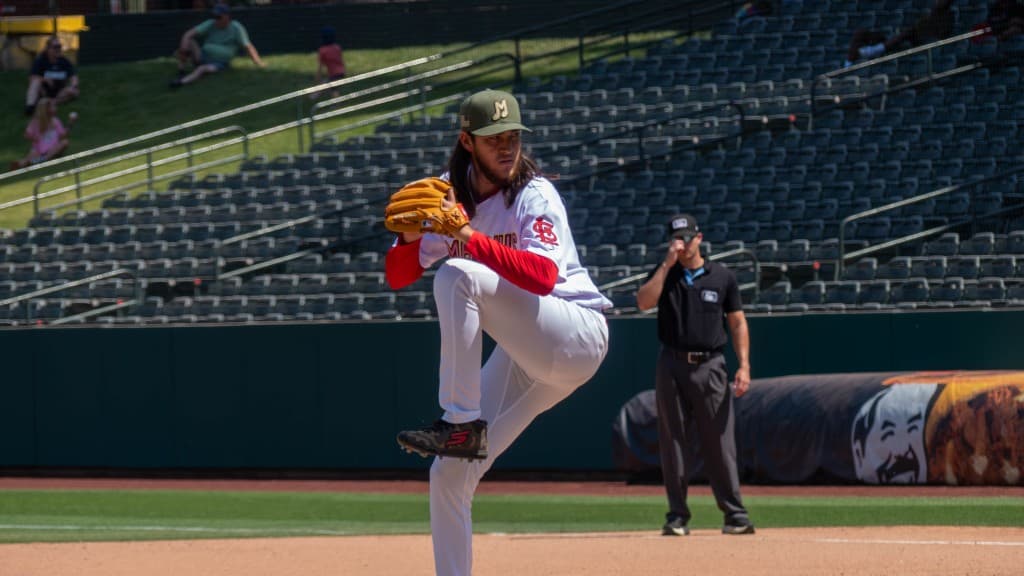
MLB Pipeline docuseries spotlights Rochester and the Red Wings
MLB Pipeline closed Grass Routes in Rochester, where the Red Wings, the city and the Garbage Plate share the same spotlight.

Rochester did not need a box score to make its case. MLB Pipeline closed out the second season of Grass Routes with a June 14 stop in one of Minor League Baseball’s most recognizable baseball cities, putting the Rochester Red Wings and their home town in the same frame.
The episode worked because Rochester is more than a Triple-A stop on a schedule. The city’s baseball identity is welded to the Red Wings, and the feature leaned into that relationship instead of treating the club as a standalone brand. That is the kind of setting where Triple-A baseball still feels different from the rest of the sport: the stadium, the streets, the food and the routines around it all matter just as much as the standings.
The Garbage Plate got its share of attention, and it should have. That is the kind of local detail that turns a travelogue into a baseball story with actual texture. Rochester’s food culture is part of why the city registers nationally, and the episode used it the right way, as another layer of the Red Wings experience rather than a detour from it.
What gives the feature real weight is where it lived. MLB.com’s minor league news page positioned Rochester as the final destination of Grass Routes Season 2, which says plenty about how the league wants fans to think about the lower levels. Triple-A is not only a conveyor belt for prospects and rehab assignments. It is also a network of places with their own histories, habits and baseball rituals, and Rochester has enough of all three to stand out.
For Red Wings followers, that spotlight fits. Rochester has long been one of the league’s signature baseball cities, a place where the club’s identity and the city’s identity are hard to separate. A series finale built around that kind of setting gives the season a clean ending and gives the Red Wings something bigger than a local feature: a national reminder that some Triple-A parks are worth caring about because of the place around them as much as the play on the field.
Grass Routes ended with Rochester for a reason. The Red Wings gave it a city with history, a ballpark with atmosphere and a baseball culture that still tells you why Triple-A matters.
This article was produced by Prism’s automated news system from verified source data, official records, and press releases, then run through automated quality and moderation checks before publishing. The system is built and supervised by the people who set the standards it runs under. Read our full AI policy.
Did this article answer your question?