MLB Pipeline Top-100: Konnor Griffin Tops List; Mariners Lead Triple-A Prospects
Konnor Griffin tops MLB Pipeline's preseason Top 100, while the Seattle Mariners lead all clubs with seven Top-100 prospects, reshaping Triple-A rosters and promotion races.
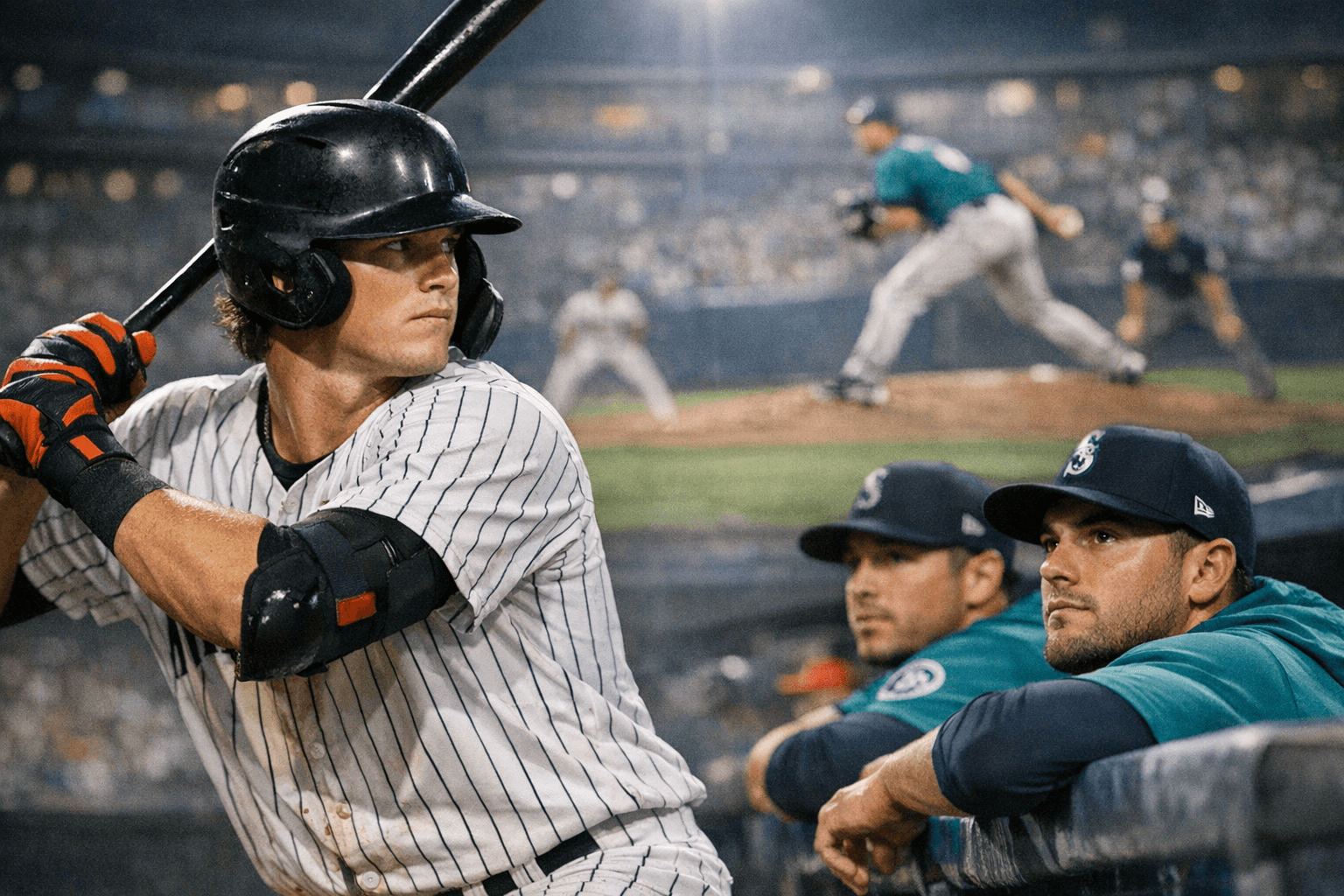
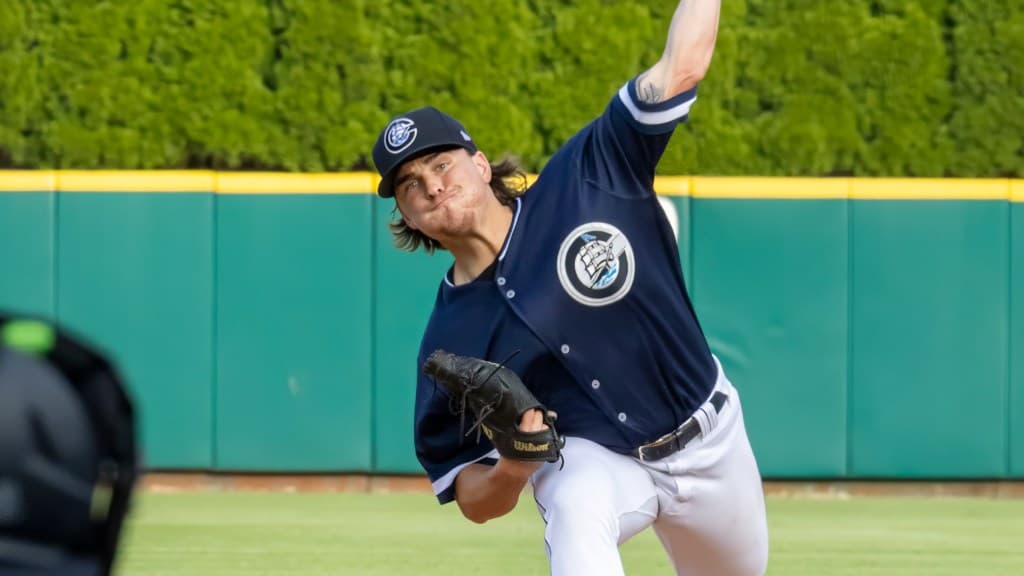
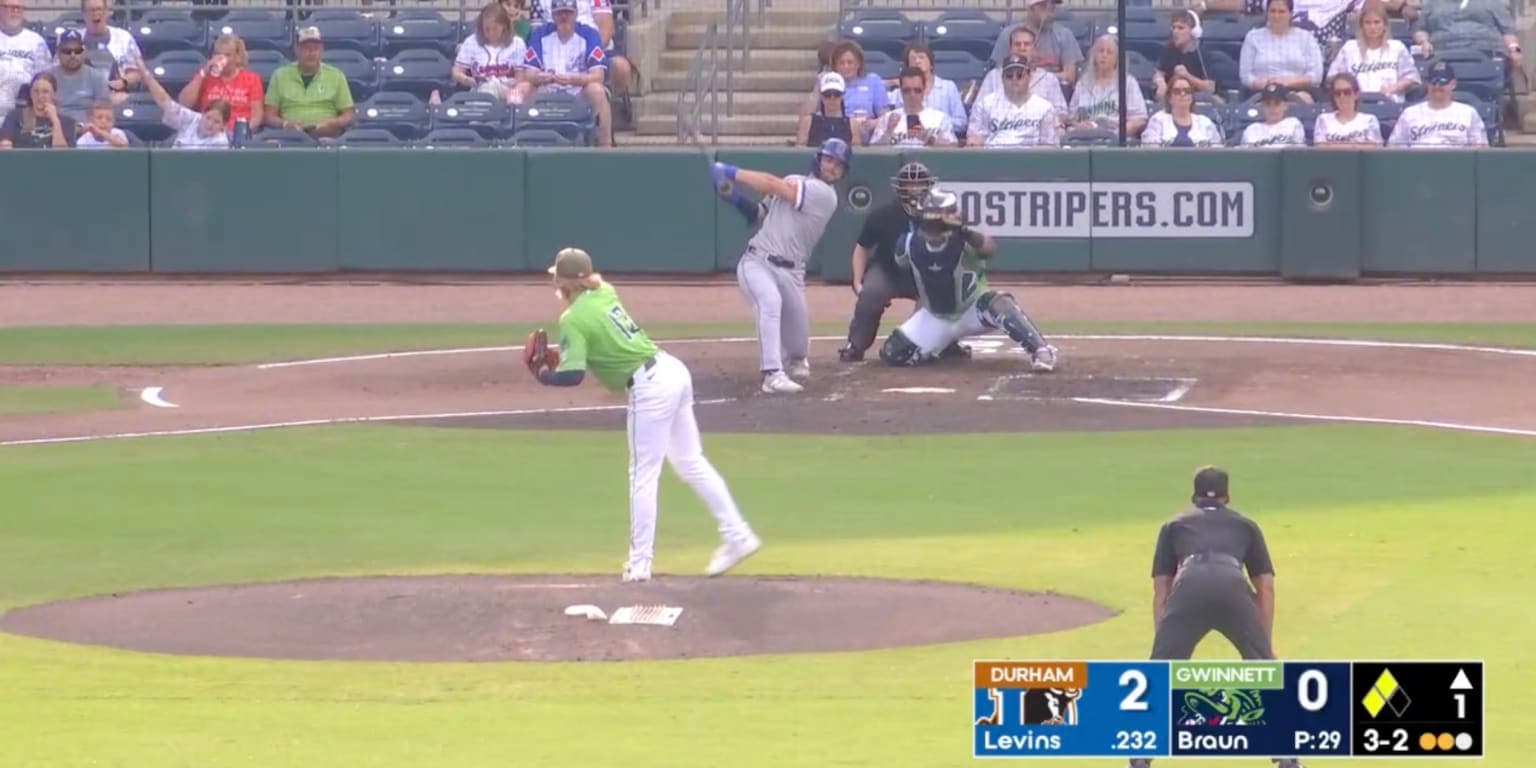
MLB Pipeline's 2026 preseason Top 100 list put Pittsburgh right-hander Konnor Griffin at No. 1, signaling a continued emphasis on high-upside pitching in the upper minors. The list's Top 10 names read like a who's who of near-MLB talent: Kevin McGonigle (Detroit), Jesús Made (Milwaukee), Leo De Vries (Oakland), JJ Wetherholt (St. Louis), Nolan McLean (New York Mets), Sebastian Walcott (Texas), Samuel Basallo (Baltimore), Colt Emerson (Seattle) and Max Clark (Detroit). Those players give Triple-A circuits a deep pool of potential call-ups once camps break.
Organizational depth factored heavily into the rankings. The Seattle Mariners led all clubs with seven Top-100 prospects, a concentration that will reverberate at Triple-A level as teams sort service-time strategies and innings counts. Pipeline also flagged a record 28 shortstops among the Top-100, underscoring the premium clubs place on middle-infield versatility and athletic defenders who can also profile as up-the-middle offensive contributors.
For Triple-A managers and front offices, the list provides a concrete projection of who could be available for early-season promotion battles. Pipeline's farm-system breakdowns indicate several Top-100 players are expected to begin 2026 at Triple-A or Double-A depending on service-time decisions. That creates layered storylines: high-end arms like Griffin may move quickly if big league rotations need reinforcement, while position players such as Kevin McGonigle and Colt Emerson could open at Triple-A to fine-tune plate discipline and defensive reads before a midseason jump.
The business calculus is unavoidable. Clubs with stacked upper minors, led by Seattle, possess bargaining chips for trades, flexibility to manage arbitration clocks and cover for big-league injuries without costly external signings. A glut of prospects at Triple-A also forces difficult roster choices for teams that will balance immediate roster needs with long-term control and player development priorities.
Culturally, the list reinforces baseball's youth movement and the growing expectation that Triple-A is less a waiting room and more a testing ground. The prominence of shortstops reflects scouting trends favoring athleticism and position fluidity, traits that translate in today’s analytics-driven roster construction.
For Triple-A fans and beat writers, the Pipeline Top-100 is a roadmap. Expect crowded depth charts, heated competition for everyday roles, and meaningful call-ups whenever big-league needs arise. Tracking who opens at Triple-A and who begins in Double-A will be essential to predicting midseason roster shakeups and playoff pushes.
Know something we missed? Have a correction or additional information?
Submit a Tip