MLB Tests Checked-Swing Challenges, Pitch-Clock Tweaks Across Minor Leagues in 2026
MLB's 2026 minor-league memo defines a "swing" for the first time: any bat angle exceeding 45 degrees, with failed challenges costing teams ABS challenge credits.
Baseball has never had an official definition of a checked swing. That changes in 2026, at least in the minors, where a bat angle exceeding 45 degrees between the head and handle will officially constitute a swing under a memo MLB circulated to all 30 clubs in mid-March.
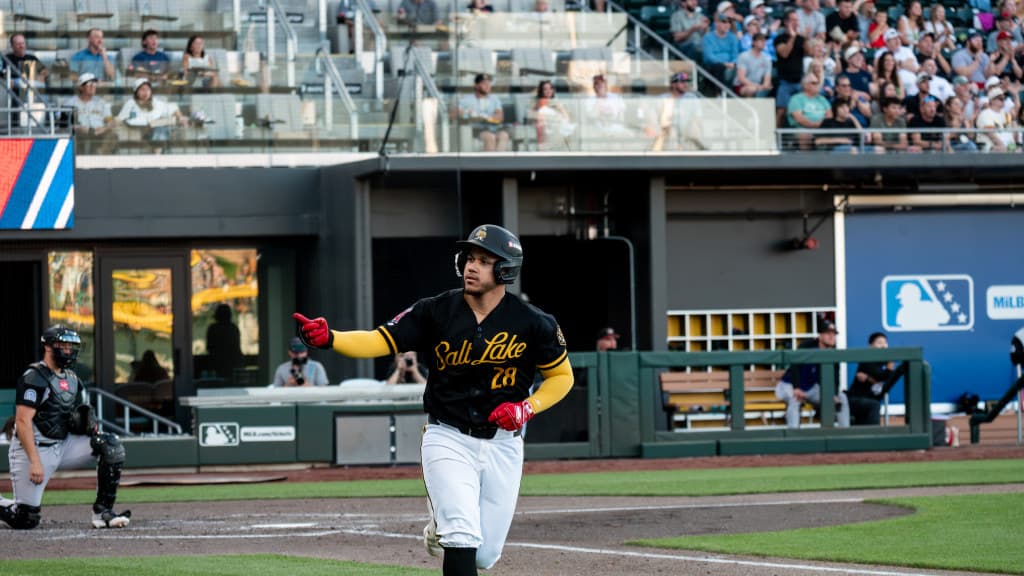
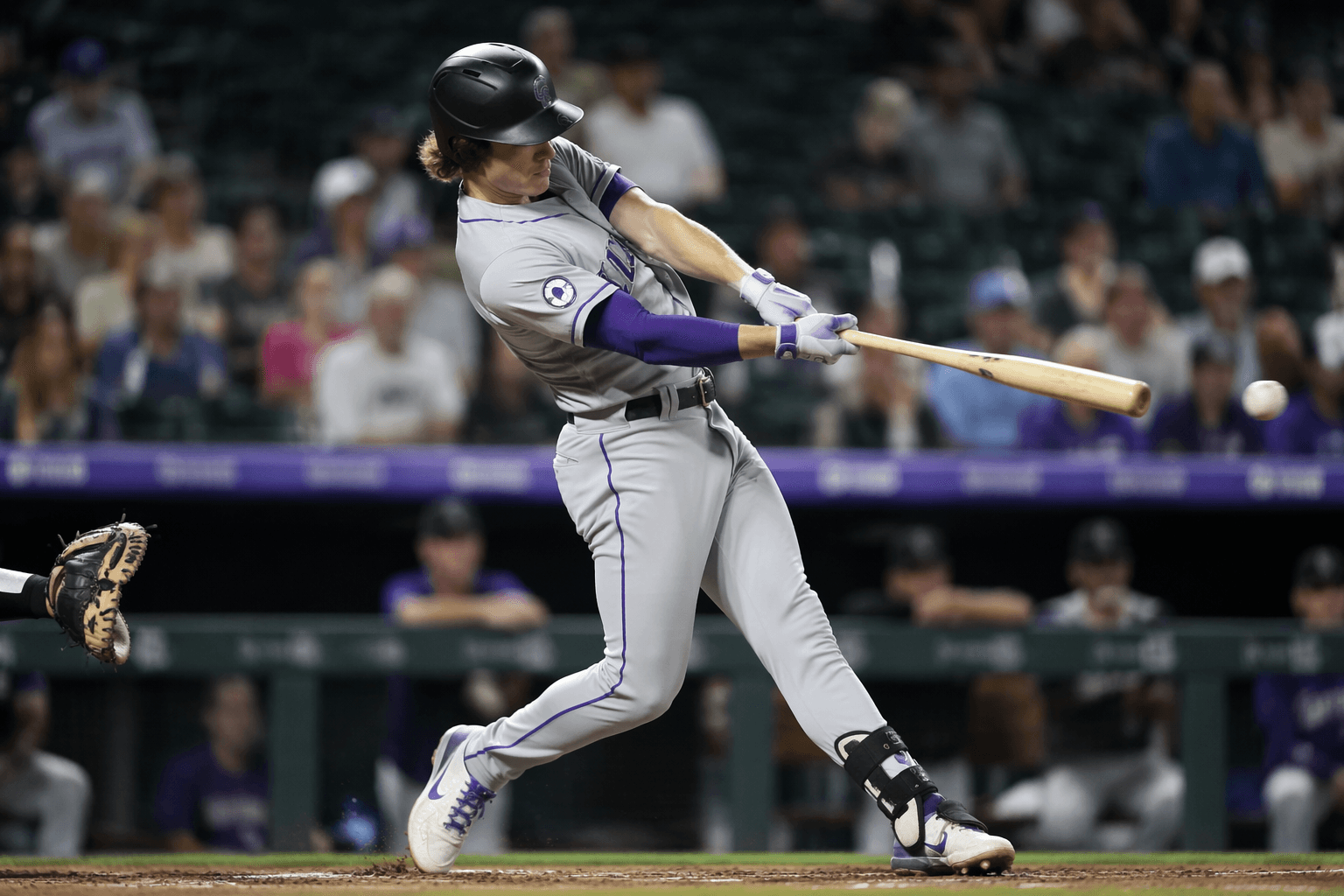
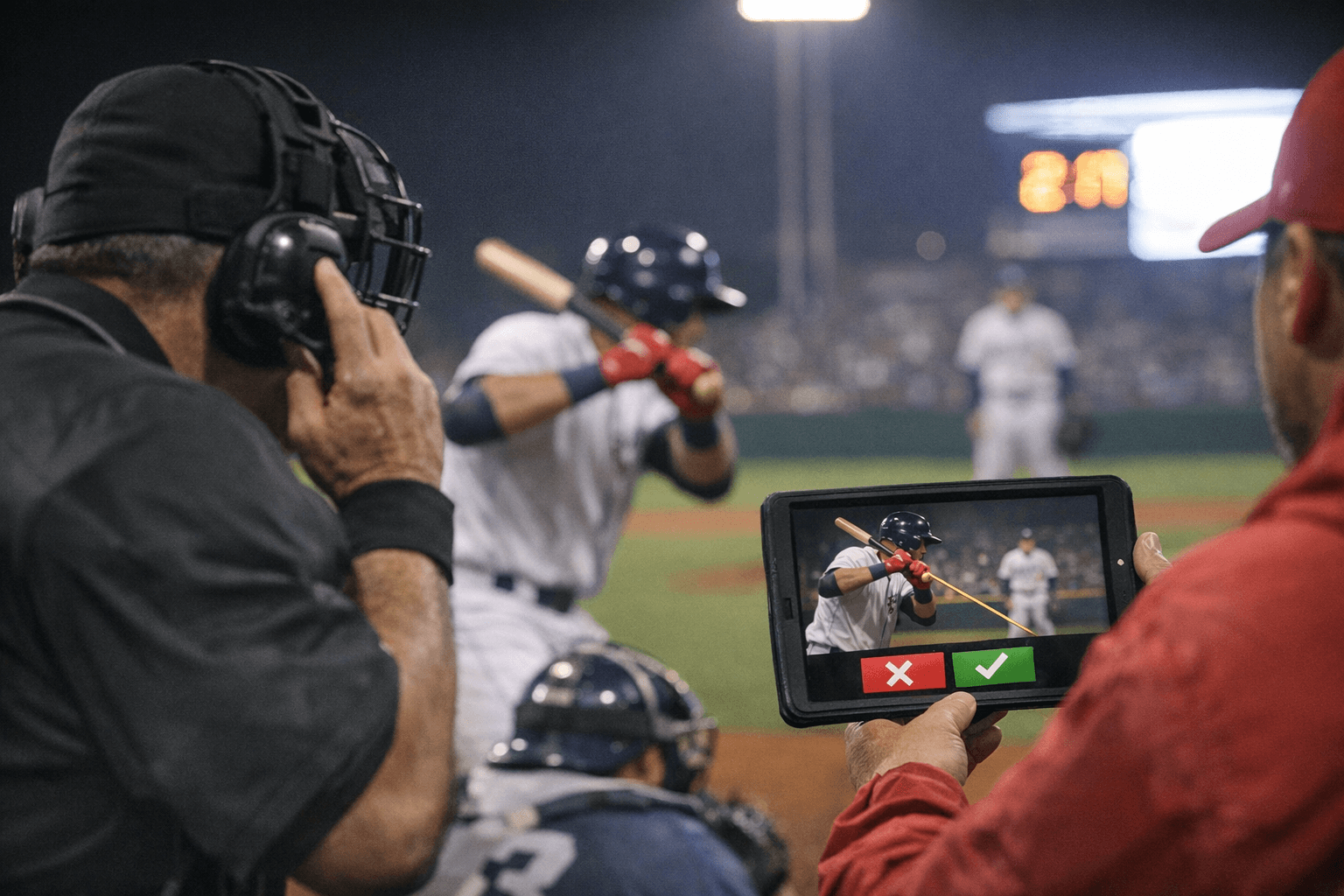
The memo, first reported by FanGraphs and later obtained by The Athletic, outlines the broadest slate of Minor League Baseball experiments in recent memory. Its centerpiece is a checked-swing challenge system rolling out in the Triple-A Pacific Coast League starting with each team's first full series in May. Hitters, catchers, and pitchers can all challenge an umpire's checked-swing ruling, with the call adjudicated against bat-tracking technology already tested in the Low-A Florida State League and the Arizona Fall League last year.
The stakes of a failed challenge are deliberately steep: if the original call is upheld, the challenging team loses one of its two ABS ball/strike challenges for the game. The design is intentional, meant to introduce the technology without flooding games with additional stoppages. Rather than waiting until May, the Florida State League will run the same PCL-style checked-swing rules for the entire 2026 season, giving MLB two different data sets from two different levels and timelines. As Baseball America noted of the split approach: "It will generate evidence of the differences between the varied approaches."
Pace of play sits at the center of the memo's second major category of experiments, even if the raw violation numbers don't suggest a crisis. According to the memo sent to farm directors, pitch-clock violations occurred only once every 5.2 games. The problem is subtler: average nine-inning game time in 2025 climbed from 2:36 to 2:38, a two-minute creep that MLB is clearly treating as worth addressing. In Triple-A, any stoppage to repair a PitchCom communicator will now count as a mound visit. Teams that have exhausted their mound visits when a PitchCom issue arises will be assessed an automatic ball before being permitted to fix the device.
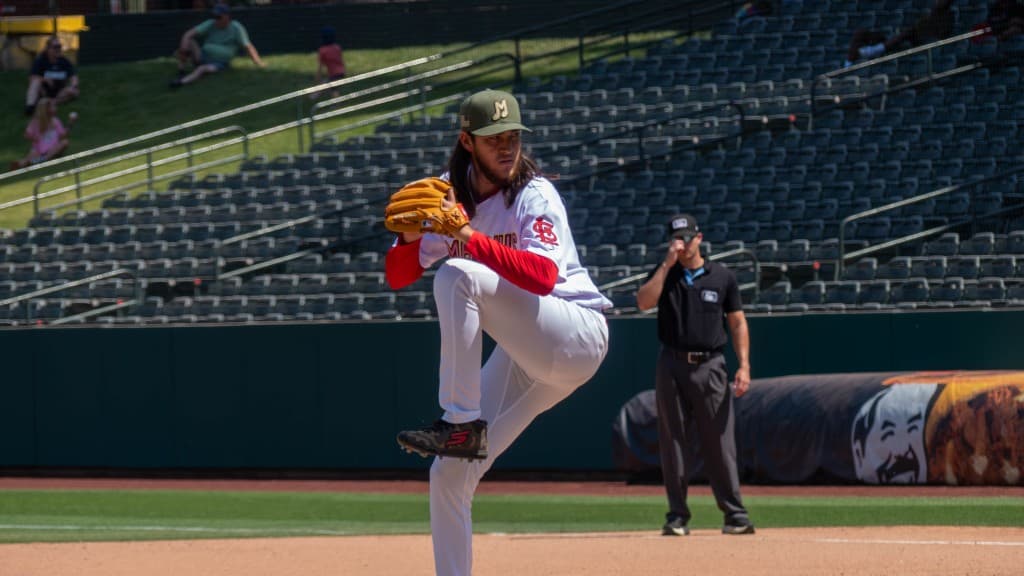
The memo also includes a re-entry rule for starting pitchers at rookie-ball levels, though its purpose is explicitly developmental rather than a pipeline to the majors. MLB Trade Rumors writer Anthony Franco reported that the rule "is not being tested for eventual implementation in MLB" and is instead designed to protect teenage pitchers, the demographic that dominates Complex and Rookie leagues, who are struggling to throw strikes. Allowing a pulled starter to re-enter later in the game reduces the pressure to leave him in past his limit simply because removing him is irreversible.
MLB has used the minors as a proving ground for rule changes that eventually reached the major leagues, including the pitch clock, the ABS ball-strike challenge system, and shift restrictions. Others tested at lower levels never made the climb: the DH double-hook and designated pinch-runner rules remain minor-league footnotes. The 2026 slate, Baseball America noted, does not appear to be "the kind that are only a tweak or two away from coming to major league games" with the exception of the checked-swing system, which has the clearest path given its prior testing history and the league's stated interest in expanding bat-tracking infrastructure.
For Triple-A fans in Tacoma, Albuquerque, and across the Pacific Coast League, the practical effect arrives in early May: challenges from the dugout and the batter's box, bat angles rendered in degrees, and a new kind of replay theater for one of baseball's most contentiously uncalled plays.
This article was produced by Prism’s automated news system from verified source data, official records, and press releases, then run through automated quality and moderation checks before publishing. The system is built and supervised by the people who set the standards it runs under. Read our full AI policy.
Did this article answer your question?