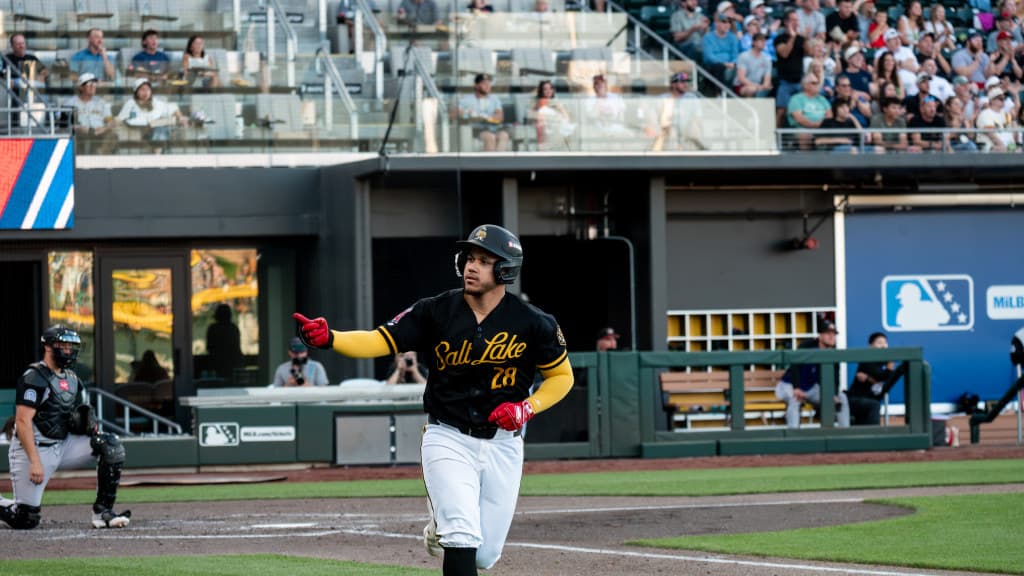
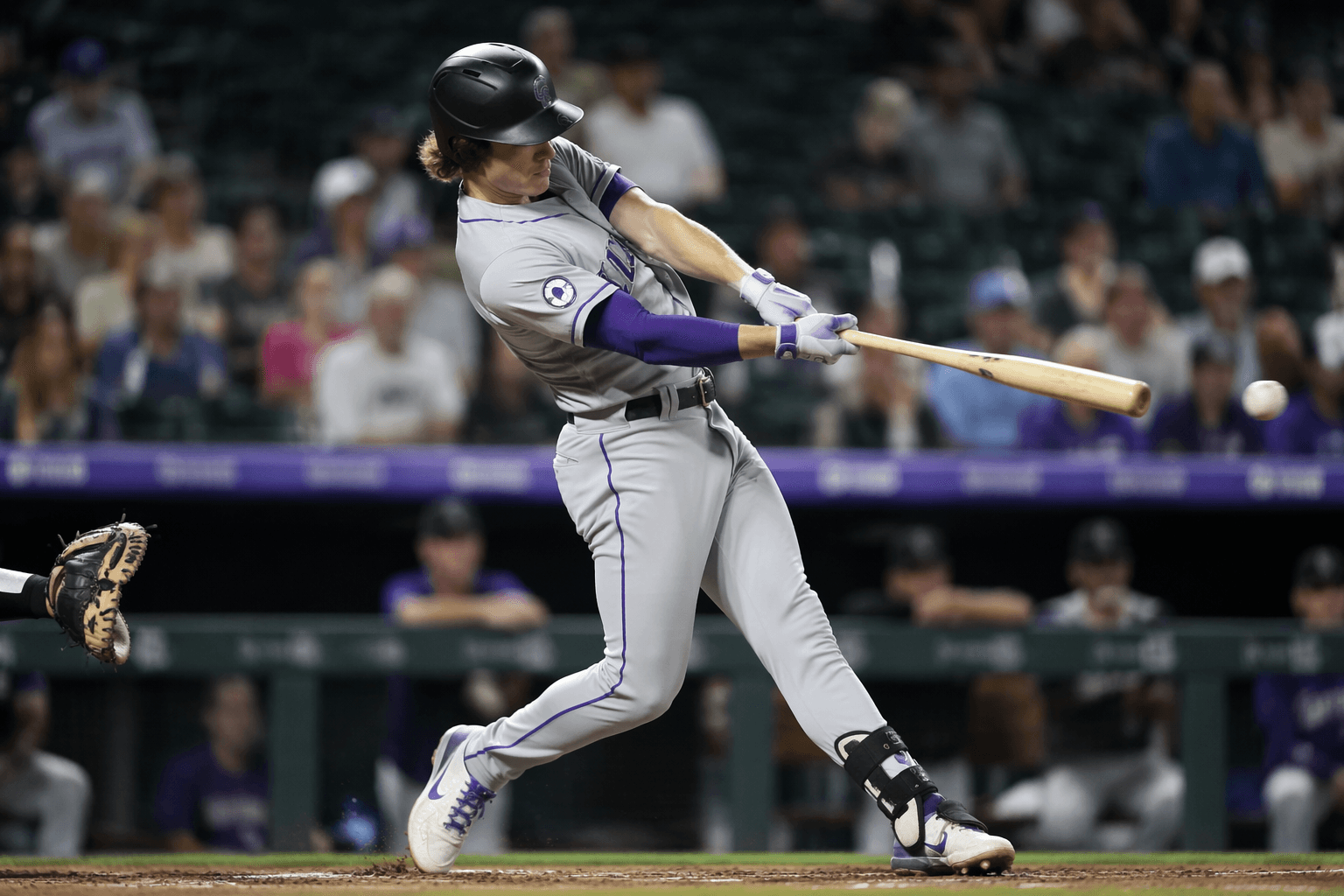
MLB to Expand Robot Umpire Checked-Swing Challenges to Triple-A in 2026
MLB's robot ump is moving up: checked-swing challenges expand to Triple-A on May 5, with a 45-degree bat-angle threshold now defining a swing for the first time.
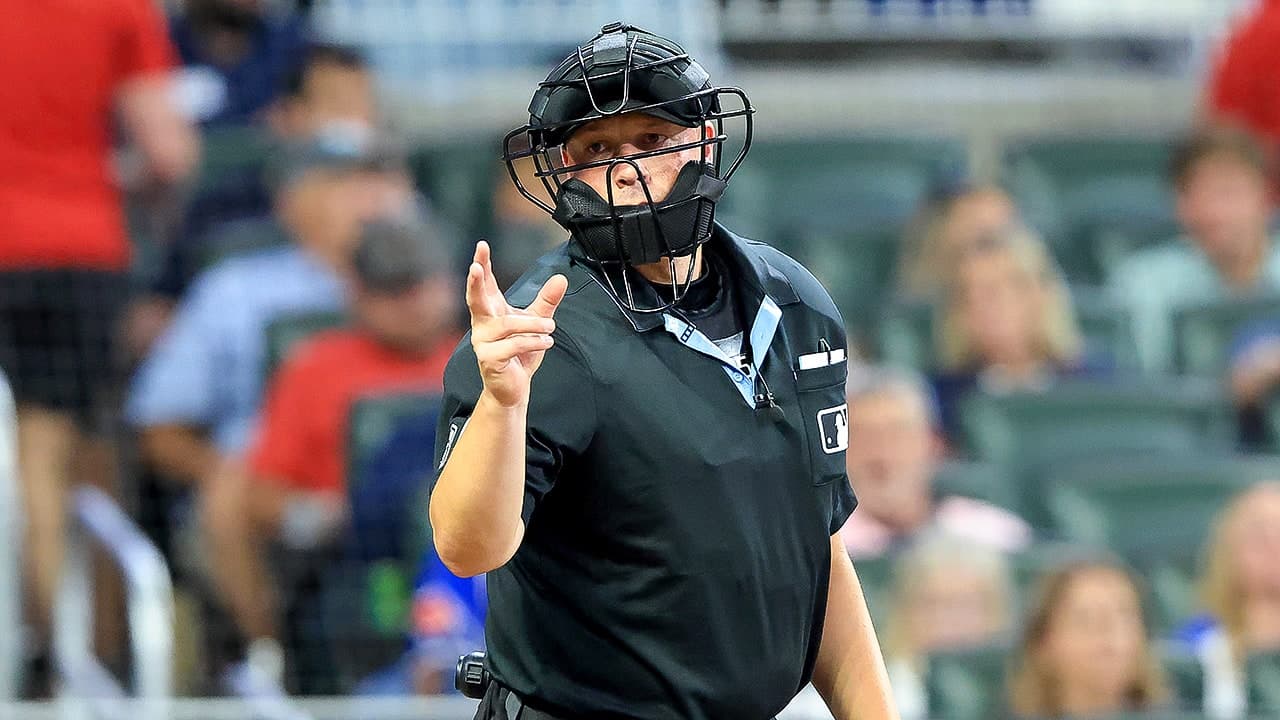
Baseball has been arguing about checked swings since before most fans were born, and MLB is finally doing something about it. Starting May 5, the league's Automated Ball-Strike Challenge System will expand from the Class A Florida State League to the Triple-A Pacific Coast League, bringing a defined, measurable standard to one of the game's most contested calls.
The mechanism is precise where the rulebook has never been. According to a memo from MLB vice president of on-field strategy Joe Martinez to general managers and other club executives, "a swing will be considered to have occurred if the maximum angle between the bat head and the bat handle exceeds 45 degrees." The Official Baseball Rules have never specified a checked-swing standard, stating only that "a strike is a legal pitch when so called by the umpire, which is struck at by the batter and is missed." That gap has left umpires and managers arguing over the same call for decades; since the 1970s, catchers have been able to request an appeal to a base umpire on non-strike checked-swing calls, but no appeal has been available when a strike was already called.
Under the challenge system, the batter, pitcher, or catcher may appeal the umpire's decision on whether a swing occurred. Each team carries two challenges and retains one if the appeal succeeds; additional challenges become available in extra innings. The International League will operate with two challenges per team, while the Pacific Coast League keeps three, per a memo to farm directors and Triple-A managers. The experiment first appeared in the Florida State League and was later extended to the Arizona Fall League before this spring's Triple-A expansion.
The checked-swing trial is not the only structural change coming to Triple-A. The International League will shift second base slightly toward home plate during the second half of the 2026 season, repositioning it entirely within the infield diamond. That adjustment trims nine inches from the distance between first and second and between second and third, a small geometry change with real implications for baserunning and infield positioning.
Triple-A clubs will also absorb tighter pace-of-play rules. MLB plans to reduce permissible pitcher disengagements from two to one per plate appearance, impose stricter limits on batter timeouts, and reset the pitch clock when PitchCom, the electronic signaling device in use since 2023, malfunctions. If play stops for a PitchCom problem, the team will be charged a mound visit; if that team has exhausted its allotment, an automatic ball is awarded. Those rules come against a backdrop of creeping game times: the average nine-inning game ran 2 hours, 38 minutes last year, up from 2:36 in 2024. The stolen base success rate has also slid, falling from 80.2 percent in 2023 to 77.8 percent last year.
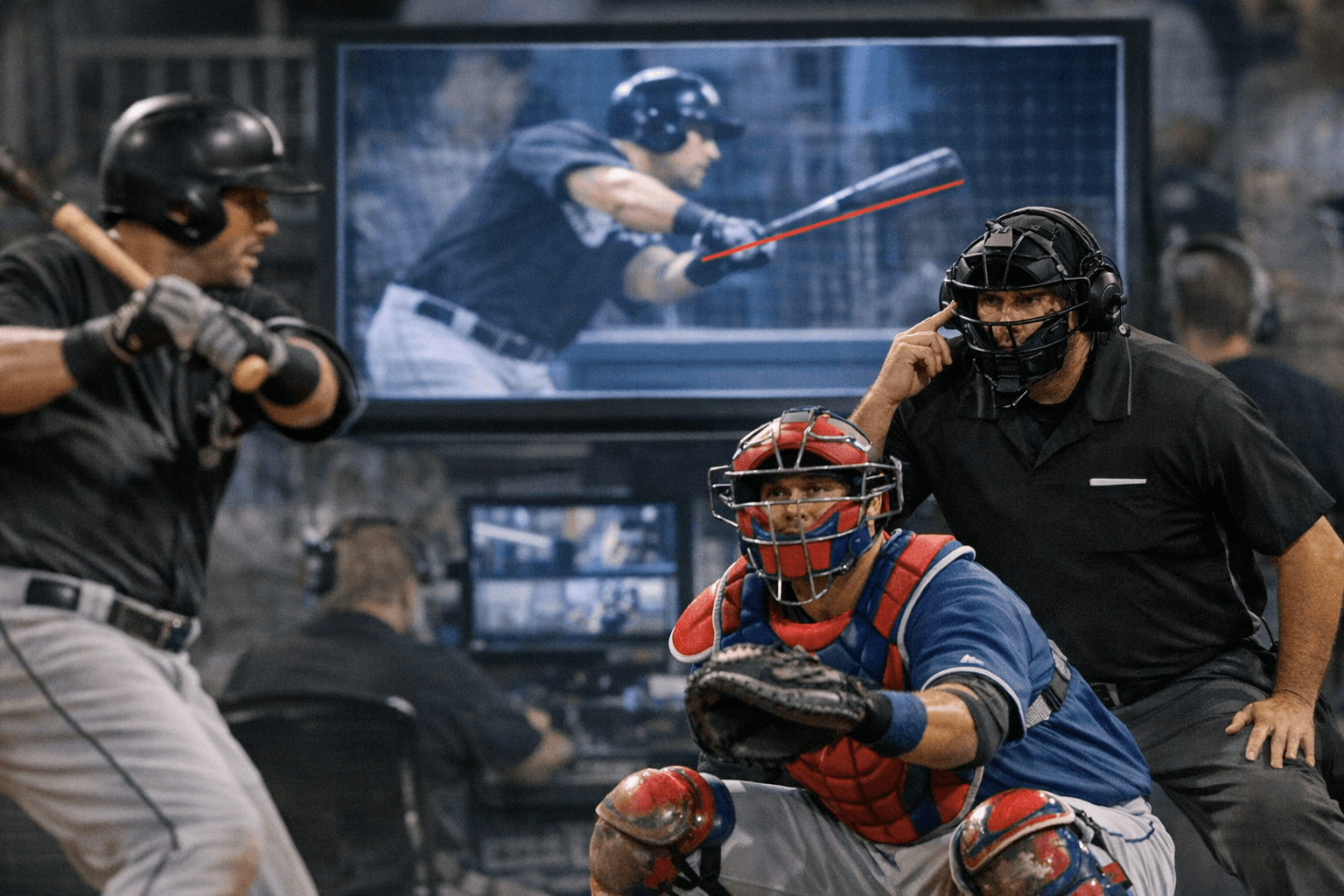
The league is simultaneously transitioning Triple-A away from alternating robot-only and human-with-challenge formats. This season, the automated system was used alone for the first three games of each series, with a human umpire and a challenge option in the final three. Starting June 25, the challenge system will be used exclusively across all Triple-A games, according to the Martinez memo.
Early data supports the direction. MLB reported that 47 percent of challenges have been successful in Triple-A this year. Staff and players prefer the challenge system over the fully automated one by a margin of 61 to 11 percent, while fans favor it by 2-to-1. The 45-degree threshold itself showed tangible effects during prior testing: Martinez noted the strikeout rate dropped 3 percent. Nearly 40 percent of Triple-A games have generated more than six total challenges, and 89 percent of fans said six or fewer was the optimal number, suggesting the current volume is already pushing what the market will bear.
Commissioner Rob Manfred has said robot umpires are unlikely to reach the major leagues without further refinement. These Triple-A experiments are where that refinement happens, one 45-degree angle at a time.
This article was produced by Prism’s automated news system from verified source data, official records, and press releases, then run through automated quality and moderation checks before publishing. The system is built and supervised by the people who set the standards it runs under. Read our full AI policy.
Did this article answer your question?