MLB Triple-A Manager Hiring Checklist: Development, Communication, Analytics, Reliever Conversion
MLB clubs are using a focused checklist when hiring Triple-A managers, emphasizing development, communication, analytics, and the ability to convert relievers for MLB depth.
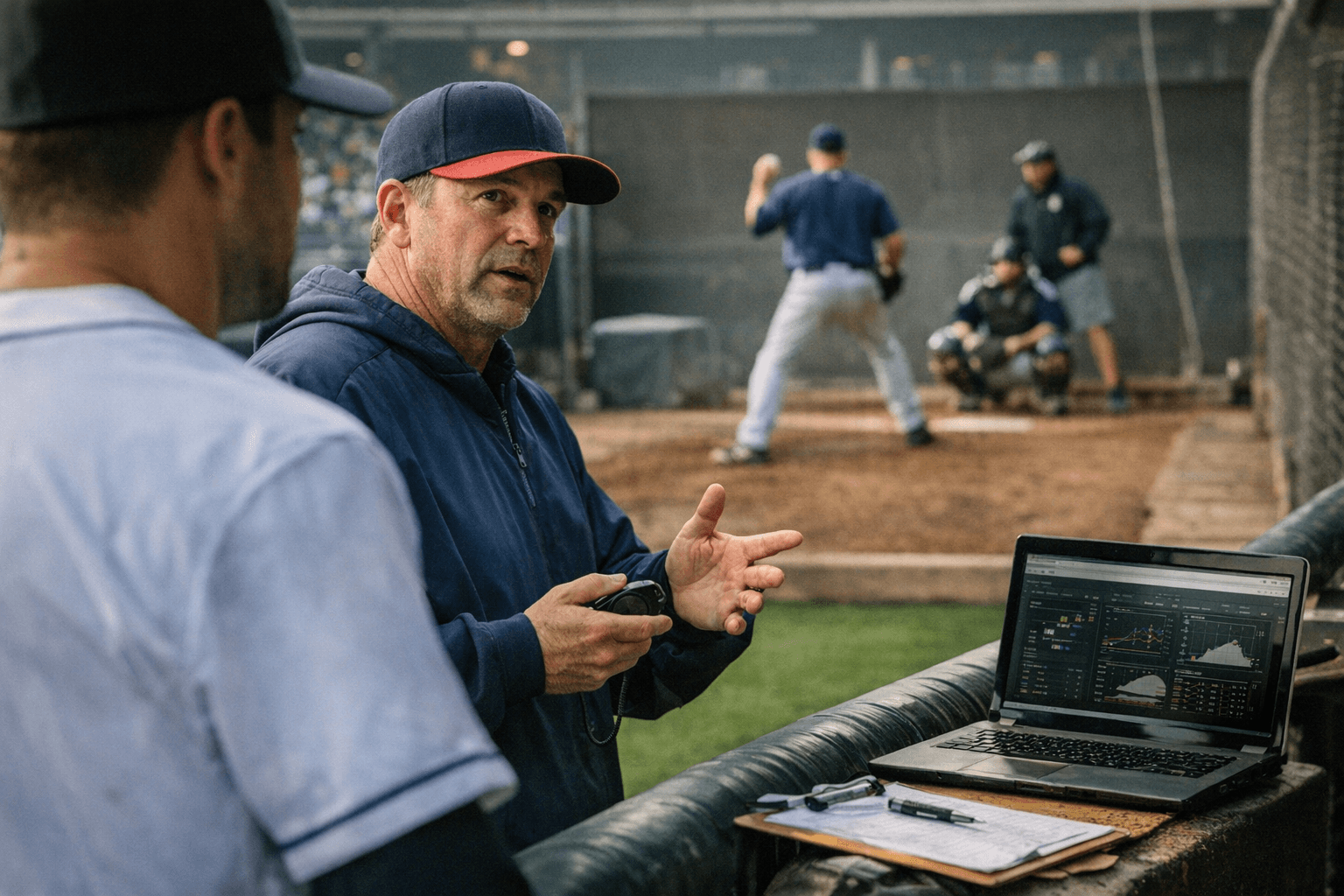
Hiring a Triple-A manager has moved from a goodwill appointment to a strategic roster decision that shapes big league depth. Clubs now treat the Triple-A bench as a developmental lab and an extension of the front office, weighing concrete qualifications before handing over the keys to a franchise’s last stop for prospects and rehabbing veterans.
At the top of modern checklists is player development experience and a documented track record of promotions. Front offices want managers who have guided prospects from high minors to the majors, who can translate organizational hitting and pitch-usage philosophies into daily instruction, and who can produce measurable gains in plate discipline or pitch efficiency. Communication skills rank equally high. Successful candidates must be adept at managing younger prospects, relaying development plans to MLB coordinators, and handling veteran personalities and rehab assignments without disrupting clubhouse culture.
Analytics adoption is nonnegotiable. Clubs look for managers who use data to inform pitch sequencing, workload plans, and situational hitting. Aligning with an organization’s philosophy on pitch usage and how to deploy hitters in pressure spots is part of the vetting process. The typical Triple-A staff composition reflects that emphasis: a bench coach, a hitting coach, and either two pitching coaches or a pitching coach plus an assistant to handle workload and analytic implementation across a long season.
Contracts have adapted to the volatility of the sport. One-year rolling deals are common, often paired with spring-training invitations and explicit performance evaluation metrics. Those metrics frequently include promotion rates, readiness of players for MLB call-ups, and bullpen versatility produced under the manager’s watch. The short-term nature of contracts creates incentives for immediate development results, while spring-training invites provide alignment and continuity with MLB coaching staffs.
Interview panels are increasingly tactical. Common interview questions ask candidates to outline plans for rehabbing big leaguers in Triple-A; to describe specific steps for converting a strikeout-prone reliever into a multi-inning swingman; and to explain how they would incorporate analytic reports into in-game decisions. Candidates who can show step-by-step implementation and past outcomes rise to the top.
A brief case study illustrates the practical payoff. One recent hire, name withheld, executed a deliberate program to convert a high-strikeout reliever into a multi-inning swingman ready for MLB depth work. The program combined progressive workload increases, targeted pitch refinement, and analytic-driven sequencing. The reliever graduated to MLB depth roles, demonstrating why clubs prize managers who can expand a player’s role and roster value.
For front offices, the checklist reduces hiring to measurable competencies. For players and fans, it means Triple-A will be a more consistent environment for last-mile development and a clearer pipeline to the majors. The coming season will show which clubs best translate checklist criteria into on-field promotion and sustained MLB readiness.
This article was produced by Prism’s automated news system from verified source data, official records, and press releases, then run through automated quality and moderation checks before publishing. The system is built and supervised by the people who set the standards it runs under. Read our full AI policy.
Did this article answer your question?