MLB’s Triple‑A Opening Day Guide: Earliest Start Since 1951, Top Prospects Ready to Produce
Baseball's No. 1 overall prospect Konnor Griffin opens Triple-A on the earliest start date since 1951, with 29 Top-100 names ready to audition for summer call-ups.
The Earliest Opening Day in 74 Years
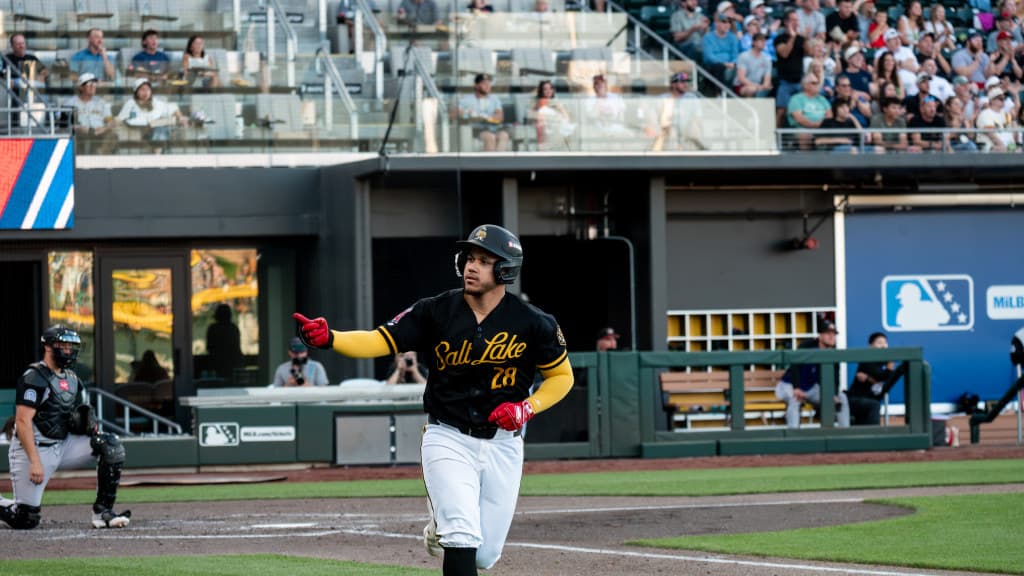
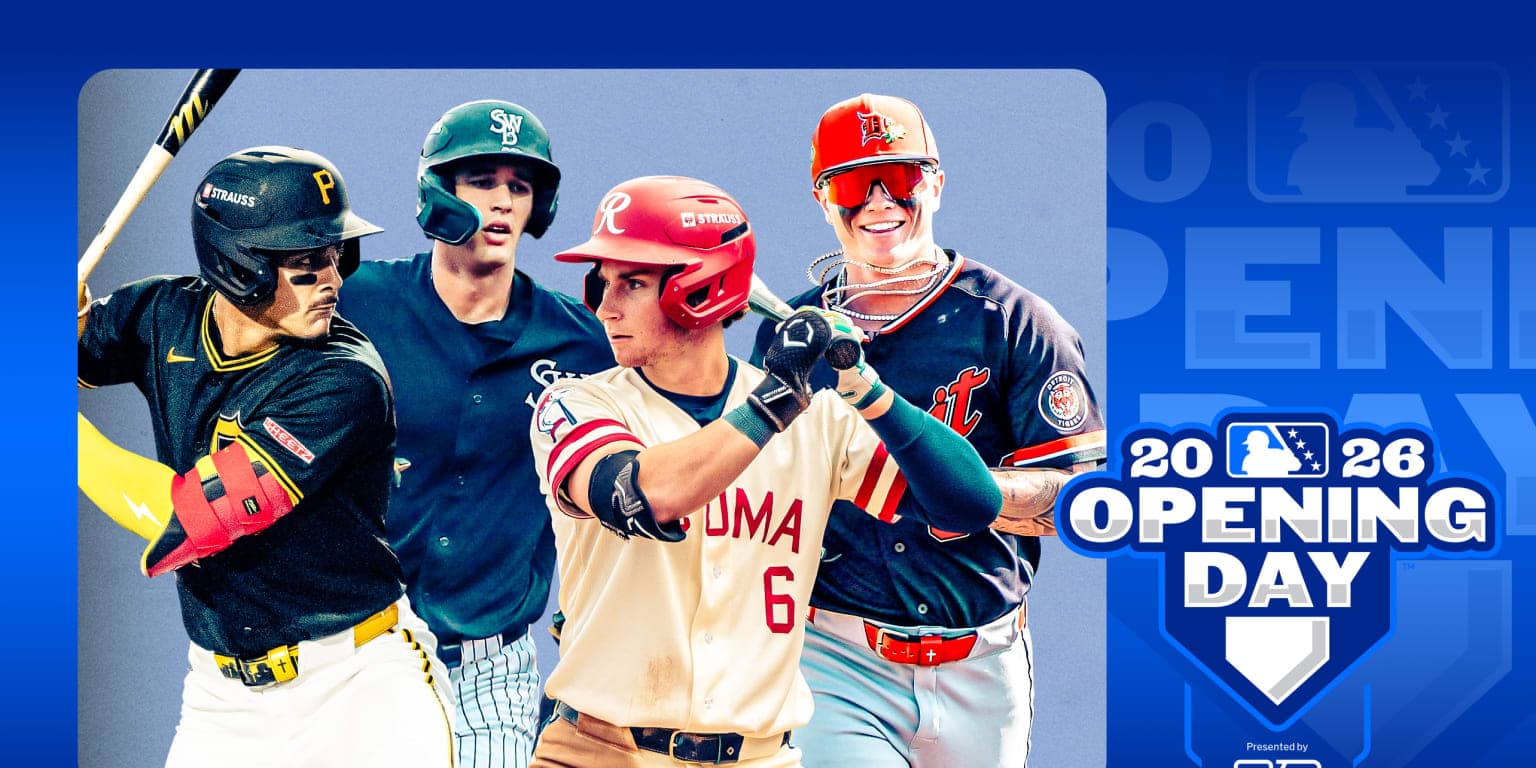
Ranked the No. 1 prospect in all of baseball, Konnor Griffin took the field for the Triple-A Indianapolis Indians on March 27 against St. Paul. That date is not arbitrary: it marks the earliest Triple-A season launch since 1951, when Pacific Coast League clubs opened on the same calendar date. Seventy-four years later, the significance of that timing reaches well beyond nostalgia. With 29 of MLB Pipeline's Top-100 prospects assigned to Triple-A and only 20 earning MLB Opening Day spots, the first week of Triple-A ball is functioning as an accelerated proving ground, one that will directly shape roster decisions before Memorial Day.
Double-A clubs wait until April 3 for their own first games, meaning Triple-A gets a full week of exclusive spotlight. Evaluators in every front office know it, and the early slate of matchups reflects that attention.
The Marquee Names and Where They Landed
The opening-night card delivered an immediate prospect showcase. Griffin's Indianapolis Indians hosted Walker Jenkins, the No. 14 overall prospect, and the St. Paul Saints in a 6:35 p.m. ET showdown. That single game placed two pipeline names with combined national ranking in the top 15 on the same diamond on night one.
Across the two leagues, the distribution of blue-chip talent is striking:
- Konnor Griffin, SS, Indianapolis (Pirates): No. 1 overall. Nineteen years old. Slashed .333 with a .941 OPS across three levels in 2025, with 23 home runs and 65 stolen bases. Had only 21 games at Double-A entering this year, yet opens 2026 in Triple-A.
- Colt Emerson, SS, Tacoma (Mariners): No. 9 overall. Brings elite bat-to-ball projection to the Pacific Coast League.
- Max Clark, OF, Toledo (Tigers): No. 10 overall. An advanced defensive outfielder whose hit tool is the central development question at this level.
- Walker Jenkins, OF, St. Paul (Twins): No. 14 overall. Opened on the road against Griffin on day one, a matchup that scouts circled immediately.
- Travis Bazzana, 2B, Columbus (Guardians): No. 20 overall. High-ceiling infielder adding another elite-tier name to an already loaded International League.
- Payton Tolle, LHP, Worcester (Red Sox): No. 19 overall. One of the most polished starting pitching prospects in the system, auditioning for a Boston rotation role.
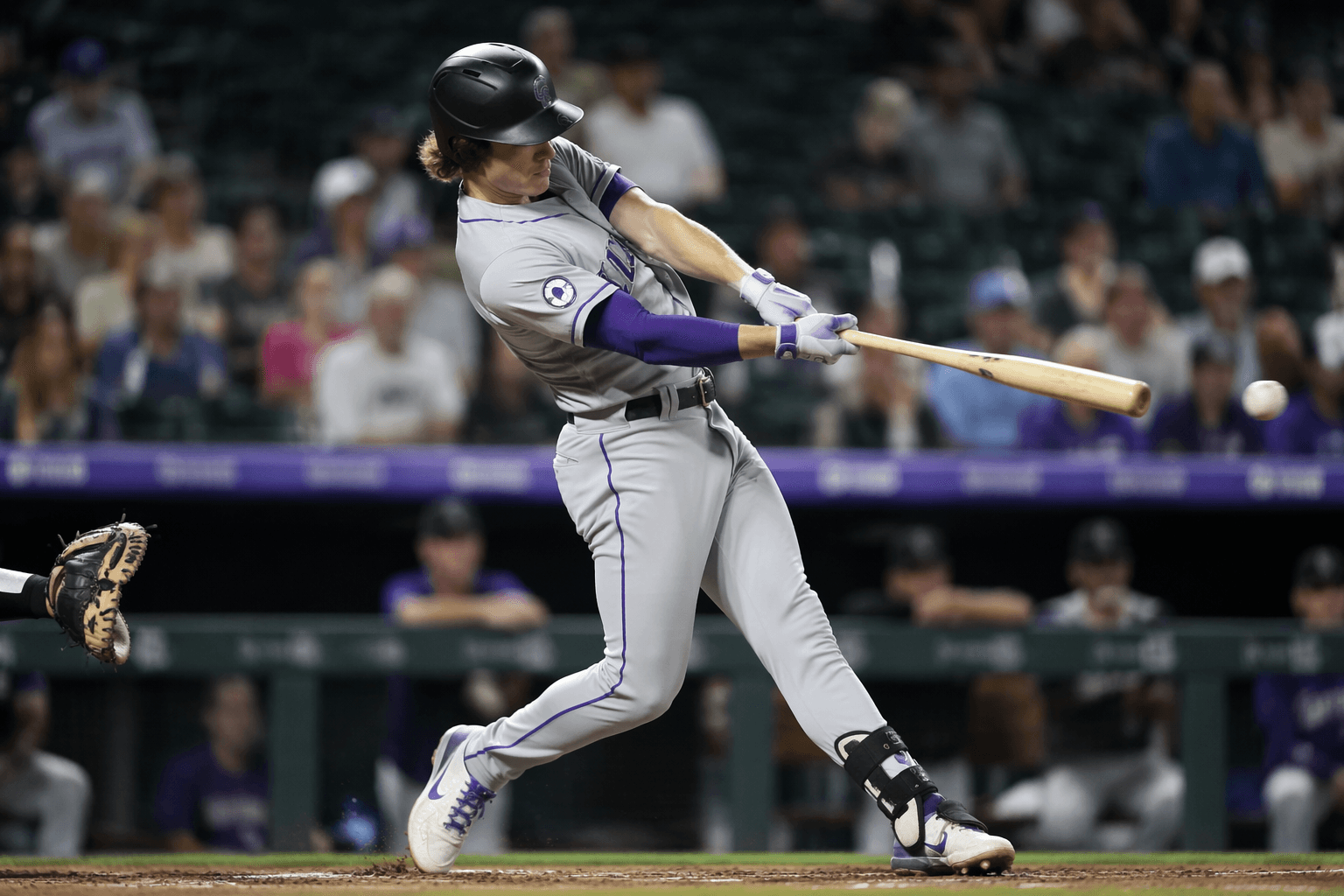
Beyond that headlining tier, the Triple-A rosters also include Bryce Eldridge (No. 25, Giants), Jett Williams (No. 51, Brewers), and Charlie Condon (No. 70, Rockies). The concentration of talent makes the IL and PCL standings essentially meaningless for the first two months; the real leaderboard is the call-up queue.
Option Clocks, Service Time, and the Real Front-Office Chess Match
The early calendar does more than give fans a head start on watching future stars. It compresses the clock in ways that make roster construction genuinely complicated, and no situation illustrates that better than Griffin's assignment.
The Pirates reassigned Griffin to minor league camp on March 21, six days before Triple-A's first pitch. By keeping baseball's consensus top prospect in Indianapolis rather than breaking camp with Pittsburgh, the organization delays the start of his MLB service clock. For a small-market franchise like the Pirates, that calculus is cold and straightforward: one additional year of cost-controlled team control before Griffin reaches free agency. Pittsburgh's front office gets Jared Triolo at short to open the year; they get potentially eight years of Griffin rather than seven.
That dynamic is not unique to Pittsburgh. Any team starting a pre-arbitration prospect at Triple-A rather than the big leagues is working the same arithmetic, and the earliest Triple-A launch since 1951 actually gives organizations more time to delay without appearing to stall, because live Triple-A at-bats accumulate faster when the minor league season opens before April. Option clocks begin ticking the moment a player is optioned; teams with 40-man roster players in Triple-A are burning those options from day one.
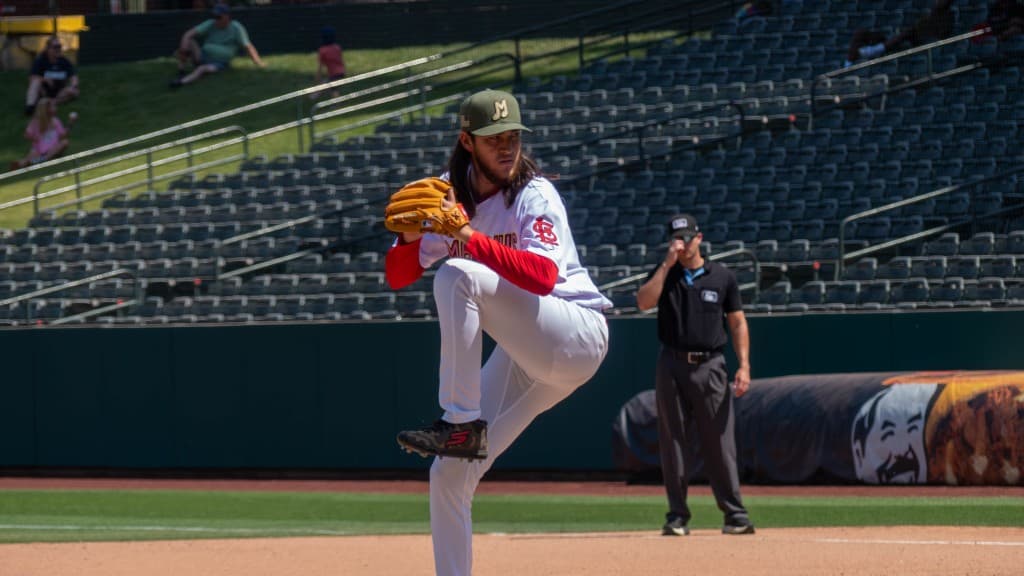
For pitching prospects specifically, the early start adds a workload management layer. A starter like Tolle who needs to be stretched out carefully is not going to reach 80-pitch outings by April if he is being built up on a normal schedule. Front offices are already mapping inning ceilings, and the March 27 launch date means those limits will be reached earlier in the calendar. Expect teams to be cautious with high-upside arms in April, then aggressive once the workload math allows.
First Call-Up Predictions: Roles and ETA Triggers
The 29 Top-100 prospects at Triple-A are not all on the same timeline. Here is how the most MLB-ready names break down by likely role and the trigger that sends them north:
Starters
Griffin is the most-watched name in the minors, and the Pirates cannot hold him back indefinitely without alienating fans and eroding competitive credibility. His spring slash of .171/.261 in 41 at-bats gave Pittsburgh the organizational cover to delay, but a sustained hot stretch in Indianapolis, something in the range of a .300-plus average with walk rates that demonstrate pitch recognition against veteran Triple-A arms, removes that cover quickly. A May or early June call-up is the realistic window if he produces at the level his tools suggest. The trigger is not a specific date; it is performance volume combined with Pittsburgh's lineup needs.
Max Clark in Toledo is in a similar position for Detroit. The Tigers' outfield situation is fluid enough that Clark becoming an obvious top-three outfield option on the roster, through a combination of his own production and ML-level injury or underperformance above him, would accelerate a promotion by June.
Payton Tolle's ETA with Boston is the most straightforward: he needs innings, and the Red Sox rotation is not so settled that a dominant stretch in Worcester goes unnoticed. If he is routinely going six innings with sub-3.00 ERA numbers through April and May, expect a June starter call-up.
Bench and Utility
Travis Bazzana in Columbus sits behind an established Guardians infield, which makes his initial MLB role a bench-level one, probably as a right-handed hitting infield piece who gets regular starts when Cleveland's lineup rests veterans. The trigger is an injury or a prolonged slump at second base. His call-up is reactive rather than scheduled; be ready for it to happen quickly when Columbus production forces the issue.
Walker Jenkins in St. Paul is in one of the better positions of any prospect in this group. The Twins' outfield has questions, and Jenkins is one of the more pro-ready bat-first outfielders available. A utility outfield role by late May, transitioning to everyday play, is the logical path if he hits above .280 with consistent hard contact in Triple-A.
Bullpen
The relief pipeline at Triple-A tends to move faster than position players or starters. Pitchers who dominate in short stints get promoted on shorter lead times, and the early season calendar accelerates that: teams leaning on overworked bullpens in April are quicker to reach for a dominant Triple-A arm. Watch for relievers not yet in the Top-100 nationally but carrying high strikeout rates at Triple-A to make the first significant wave of call-ups. By mid-April, the bullpen pipeline is already moving.
Why the First Week Sets the Rest of the Summer
The share hook buried in all of this is one number: 29. More than a quarter of baseball's Top-100 prospects opened this season at Triple-A, the highest concentration of elite pipeline talent at the highest minor league level in recent memory. That density means the International and Pacific Coast Leagues are not just finishing schools. They are simultaneous proving grounds, trade bait showcases, and service time management theaters.
Strong April performances from Griffin, Emerson, and Bazzana do not just validate scouting reports. They pressure front offices to act, heat up trade market conversations by demonstrating real value, and force honest roster evaluations that generic spring training statistics cannot produce. The earliest Triple-A Opening Day since 1951 just bought every team an extra week of that data. Whether they use it to accelerate a call-up or extend cost control is the organizational tell that will define each franchise's summer.
This article was produced by Prism’s automated news system from verified source data, official records, and press releases, then run through automated quality and moderation checks before publishing. The system is built and supervised by the people who set the standards it runs under. Read our full AI policy.
Did this article answer your question?