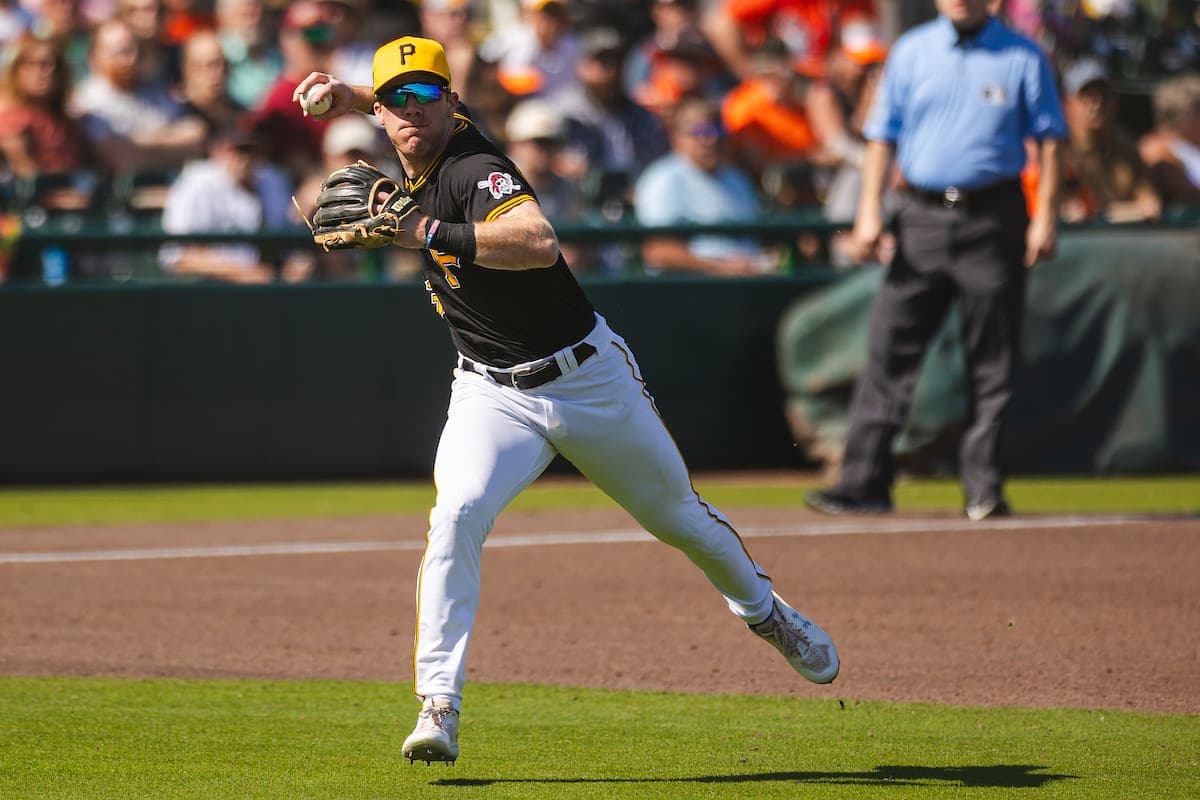
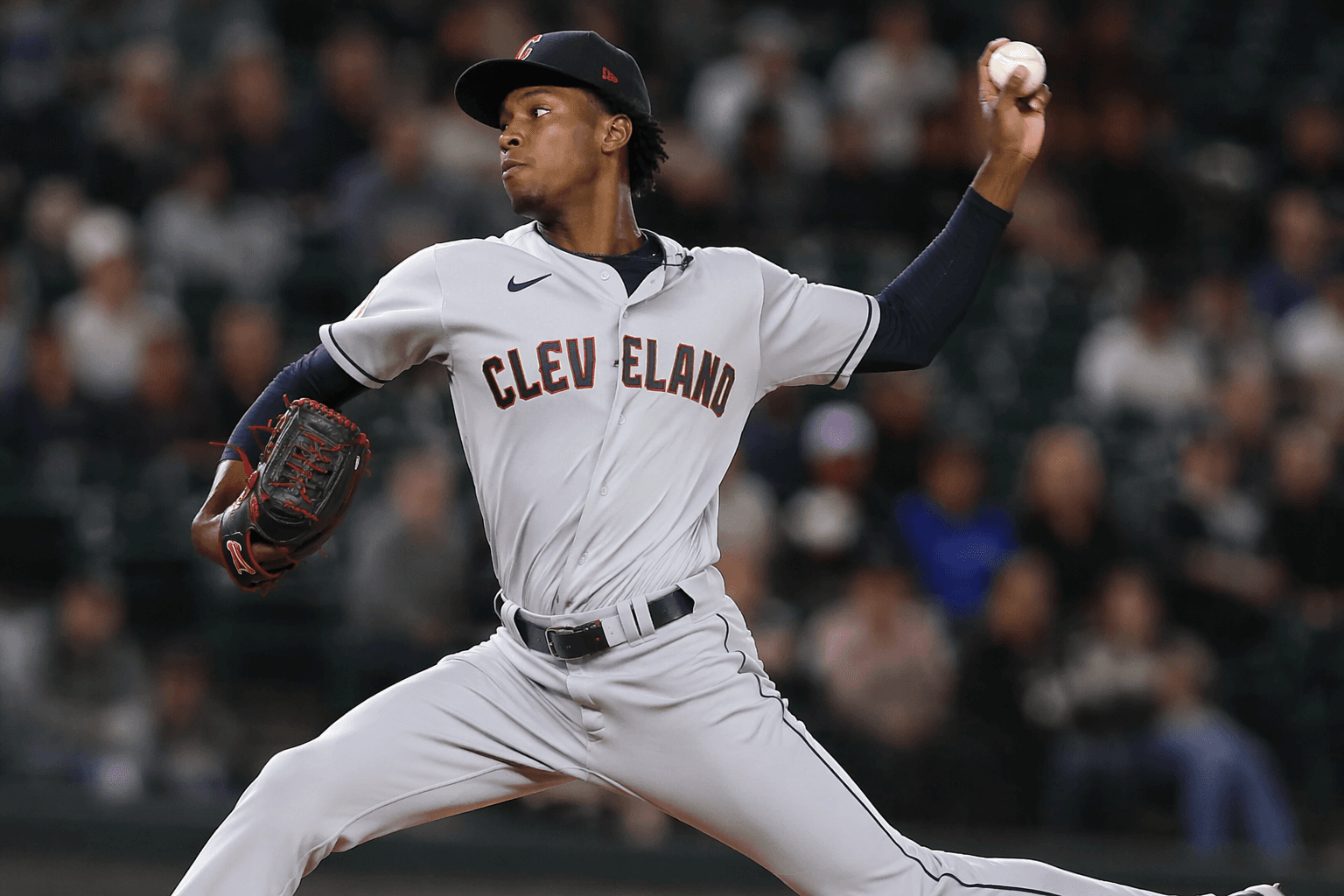
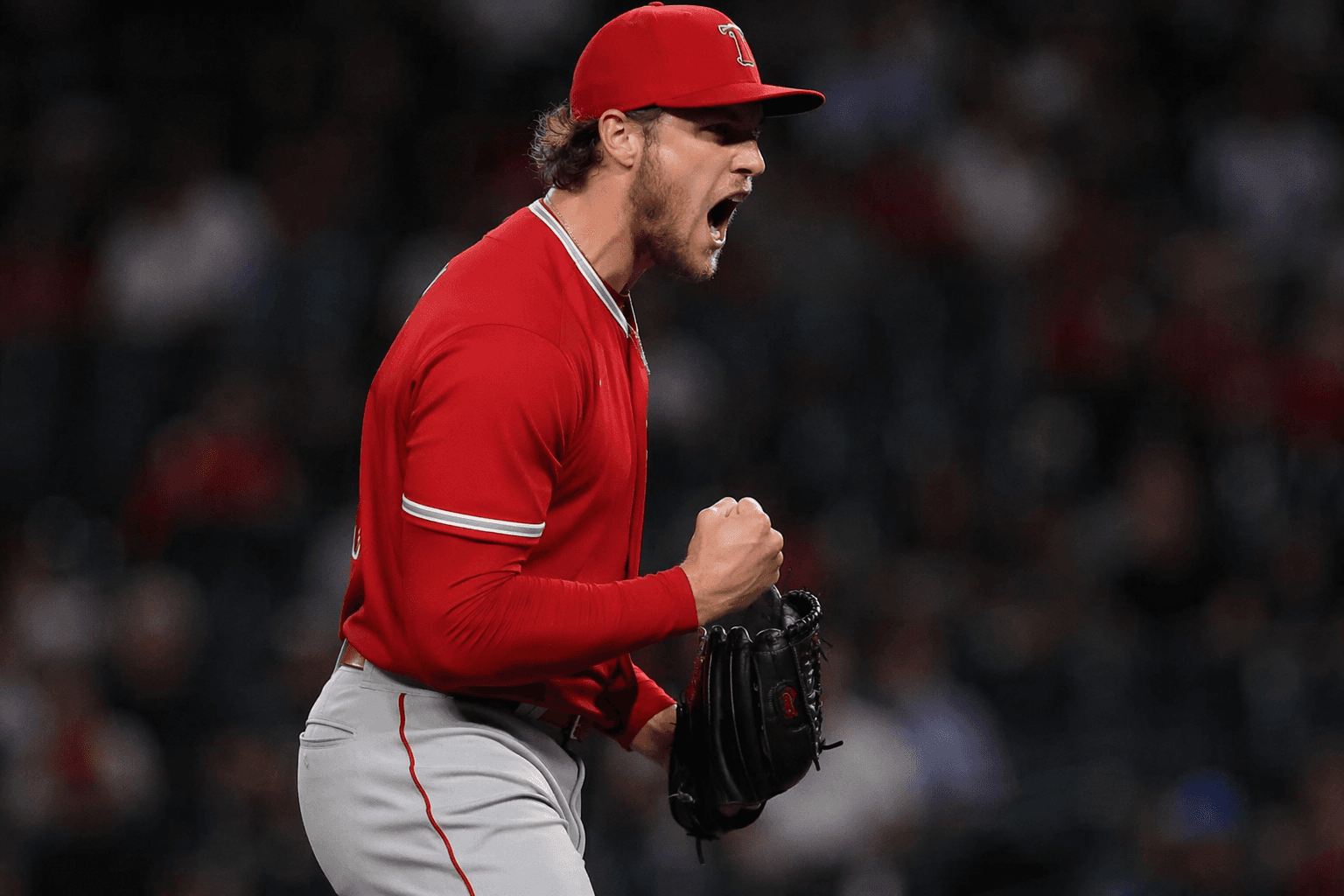
Multiple Triple-A Clubs Highlighted in MLB.com’s 2026 Alternate Identity Roundup
MLB.com's living roundup catalogs new minor‑league alternate identities, the piece flags a nationwide promotional boom that explicitly includes Triple‑A clubs and spotlights culture‑driven nights like the Jersey Shore Pork Rollers.
1. MLB.com’s living roundup and its editorial framing
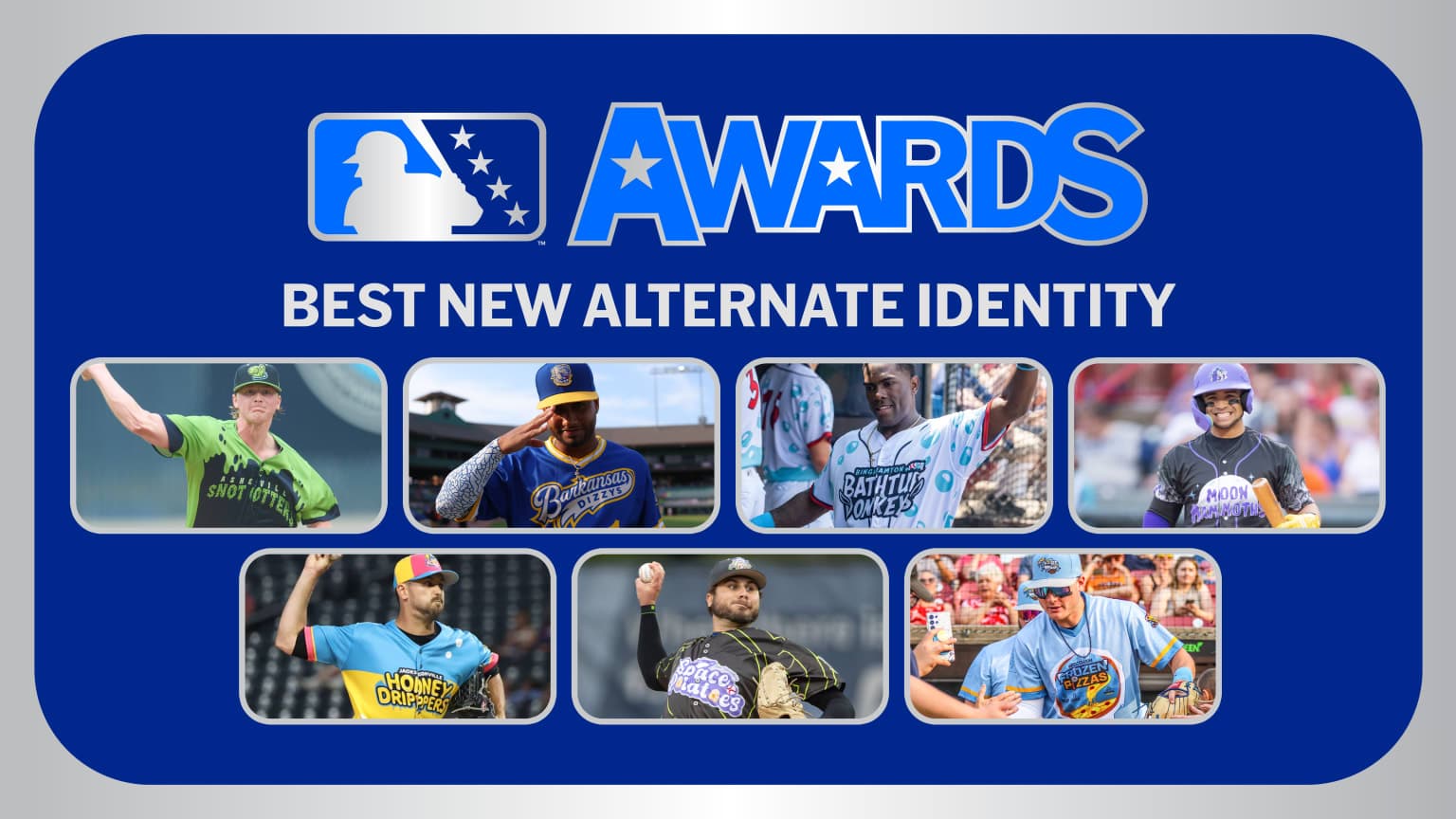
Benjamin Hill assembled a running compilation titled "Here's every new Minor League alternate identity announced for 2026 so far" (Benjamin Hill, Feb. 20, 2026) and opens with a playful editorial line: "Be yourself, unless you feel like being something else." The article is positioned as a living, bookmarkable guide, "This article, which will be updated regularly throughout the offseason...", signaling that MLB.com expects more identities and wants readers to return as clubs announce promotions.
2. The headline trend: local culture as promotional currency
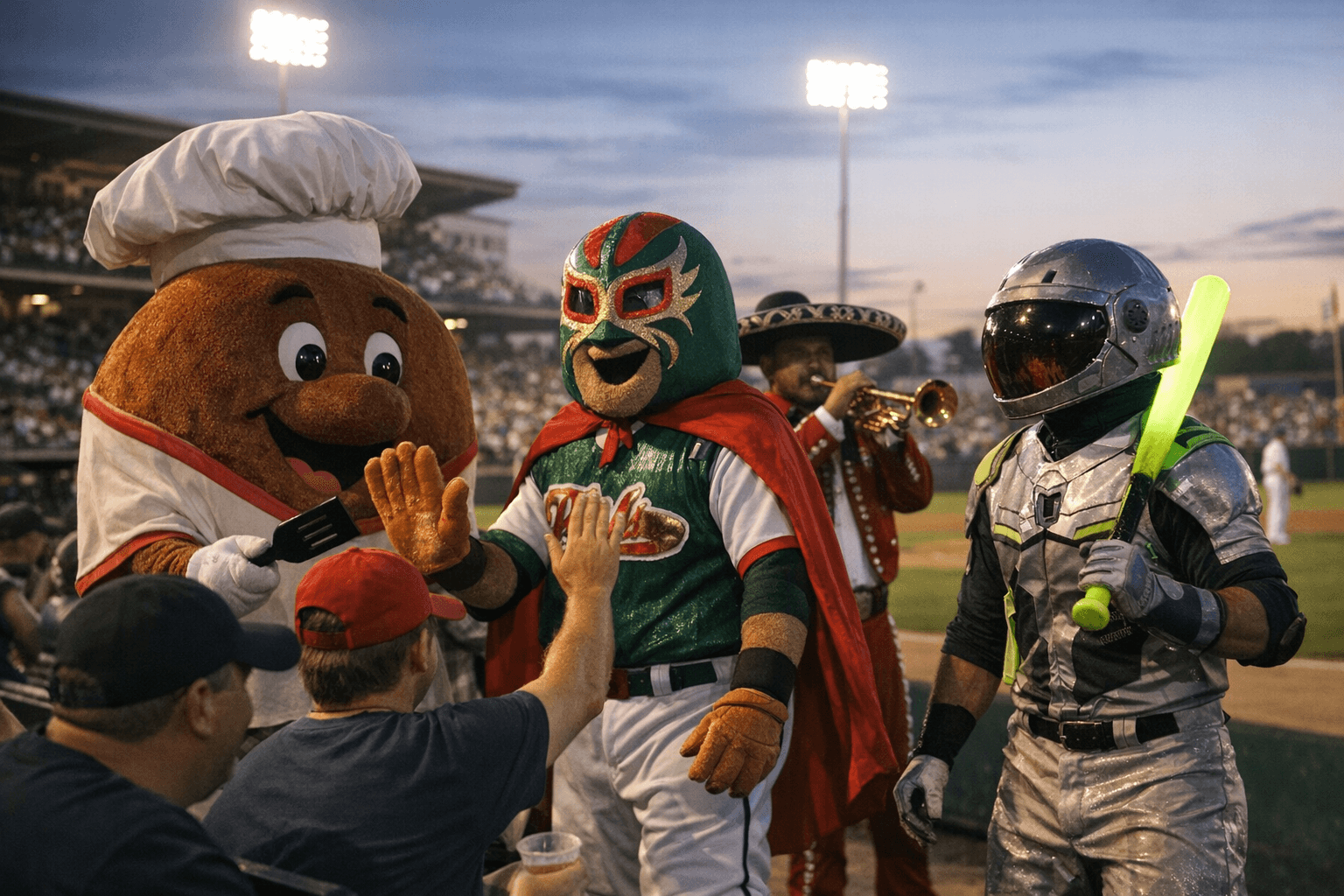
MLB.com explicitly frames the proliferation of alternates as an established strategy: "This is now an established Minor League Baseball promotional strategy, as teams across the country regularly assume alternate identities in lieu of their day‑to‑day primary identities." The piece emphasizes that teams link alternate brands to "culinary specialties, cultural touchstones, geography, industries, notable residents and more," converting local lore into ticket nights, merchandise drops and social‑media moments that aim to boost attendance and incremental revenue.
3. Jersey Shore Pork Rollers, a case study in local flavor
"The BlueClaws combine two of New Jersey's passions pork roll and bowling into one identity. Pork roll is a processed meat product beloved in the Garden State and available during games at ShoreTown Ballpark. Bowling has been such a part of New Jersey culture that the state once had nearly 500 lanes including one owned by Yogi Berra and Phil Rizzuto. Put pork roll and bowling together, and you've got the Jersey Shore Pork Rollers who take the field on June 18." That full entry, for the Jersey Shore BlueClaws (listed as High‑A PHI), shows how a concise, culturally anchored narrative can create a headline‑friendly night, drive concessions (pork roll availability at ShoreTown Ballpark) and frame merchandise opportunities tied to both food and retro Americana (bowling).
4. Triple‑A inclusion: claim versus the available excerpt
MLB.com's summary explicitly notes clubs "at every level (including Triple‑A affiliates)" are participating in the trend, but the excerpted material provided here includes the BlueClaws (High‑A) example without naming specific Triple‑A alternates. That gap is important: the narrative that "multiple Triple‑A clubs" are involved is a central claim of the headline, yet verification requires extracting the full MLB.com list to identify those Triple‑A entries, dates and affiliations. From a reporting and business perspective, Triple‑A buy‑in matters because those clubs sit closer to major‑league markets, often have larger stadiums and can materially move local revenue and regional media attention.
5. Commerce and convertibility: the merchandising playbook
MLB.com's page contains repeated commercial prompts, "Shop new alternate identity gear [...] Shop new alternate identity gear", making clear that alternates are not just promotional nights but product cycles. Alternate jerseys, bobbleheads and curated concession items create short windows for high‑margin sales; they also feed social content. That matters because current readership habits show room for improvement on distribution: 97.3% of readers only view without sharing or commenting, which underscores a missed opportunity to turn one‑off purchasing interest and cultural hooks into broader organic reach. Named local icons (like Yogi Berra and Phil Rizzuto cited in the Pork Rollers copy) and surprising stats tied to a night can become the share hooks that move an article beyond passive consumption.
6. Syndication, reach and the republishing footprint
The MLB.com compilation is already being republished by aggregators, for example, a third‑party rehost displays the MLB.com headline in Spanish and surfaces a raft of social share UI elements ("Comparte esta fabulosa publicación:", "Compartir en X", "Compartir en Facebook", etc.). That distribution demonstrates strong appetite for the format but also signals that teams and leagues need to control messaging: republished copy often strips nuance about dates, levels, or whether a night is a one‑off. For accuracy and reach, teams should ensure press releases include clear details (dates, single‑night vs. multi‑game series, merchandise availability) so syndicated posts don’t generate confusion.
- Open the live MLB.com page and confirm the current byline and any "last updated" timestamp to reconcile Feb. 20 vs. Feb. 24 claims.
- Pull the full list and extract every Triple‑A identity, with team name, debut date and MLB affiliation.
- Confirm whether the June 18 Pork Rollers date is June 18, 2026 and whether it’s a single promotional night or a multi‑game run; check the BlueClaws' official schedule and PR.
- Contact team PR (example: Jersey Shore BlueClaws) and ShoreTown Ballpark for details on pork roll concession partners, uniform designs and merchandise drops.
7. Reporting gaps, verification steps and immediate follow‑ups
The source notes recommend specific confirmations before running a Triple‑A‑focused package. Journalists and editors should:
These verification moves transform a trendline claim into granular, publishable beats that matter to Triple‑A audiences who care about dates, rosters and event logistics.
8. Cultural context and social implications
Alternate identities explicitly trade on local culture, food, icons, regional industries, and that can be celebratory, lucrative and community‑building. But there are cross‑currents to consider: using processed foods like pork roll as a brand tie‑in can raise questions about public health optics; invoking local heroes (Yogi Berra, Phil Rizzuto) creates high emotional value but also carries responsibility to represent those legacies accurately. From a social perspective, these nights can widen access to the ballpark by reframing baseball as a broader civic festival, drawing nontraditional fans through food, nostalgia and pop culture motifs.
9. Industry impact and what to watch next
The rise of alternate identities is more than gimmickry, it’s a low‑risk, high‑engagement product strategy that scales across levels. For Triple‑A clubs, which often balance player development with local entertainment contracts, these nights offer a potent combination of incremental gate revenue, sponsorship inventory and social content. Expect continued emphasis on merch drops, influencer seeding, and themed concession partnerships; equally expect MLB.com’s living list, and the syndication it generates, to shape which ideas become national talking points.
10. Conclusion: a living list that matters to Triple‑A business and culture
MLB.com's roundup, framed by Benjamin Hill and billed as an evolving guide, captures a clear offseason strategy: teams turn local culture into nights that sell tickets, T‑shirts and stories. As clubs refine creative execution and as reporters verify Triple‑A entries and dates, the real test will be whether these identities convert passive viewers into active buyers and amplifiers, an imperative underscored by the 97.3% passive‑viewing stat. Expect the alternate‑identity calendar to remain a live business metric this offseason as clubs chase revenue, relevance and regional pride.
This article was produced by Prism’s automated news system from verified source data, official records, and press releases, then run through automated quality and moderation checks before publishing. The system is built and supervised by the people who set the standards it runs under. Read our full AI policy.
Did this article answer your question?