Pirates fast-track Konnor Griffin, prospects rush tests MLB promotion rules
Konnor Griffin jumped from five Triple-A games to Pittsburgh, while Kevin McGonigle and Kaelen Culpepper show how differently clubs now treat elite prospects.

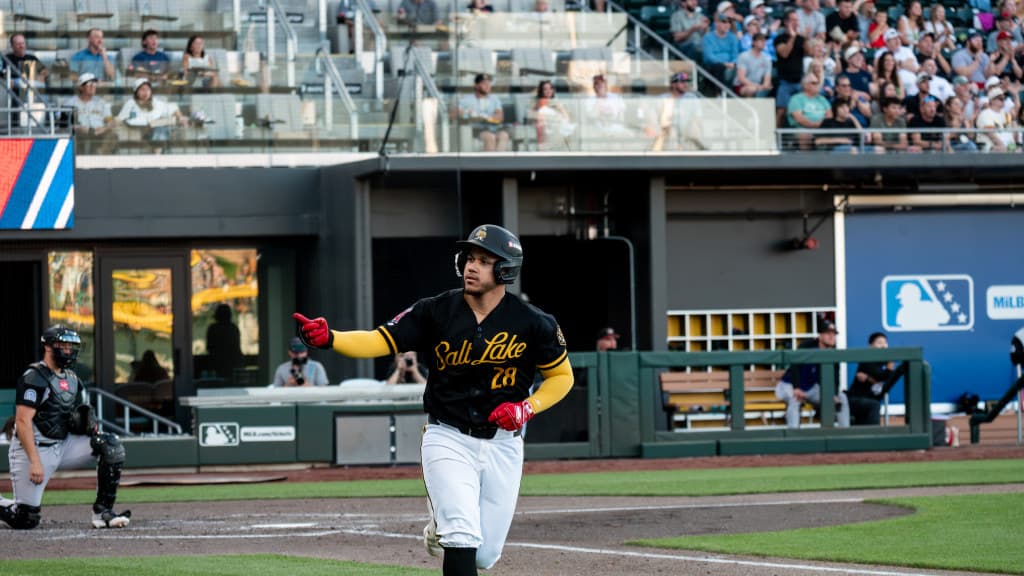
Triple-A is no longer just the last stop before the majors. For Konnor Griffin, it was barely a stop at all: the Pirates pulled the 19-year-old off Triple-A Indianapolis after only five games and selected his contract on April 3, 2026, making him Pittsburgh’s first teenage debutant since Aramis Ramirez in 1998.
That kind of rush says as much about baseball’s development model as it does about Griffin’s bat. MLB created the Prospect Promotion Incentive in the 2022 Collective Bargaining Agreement to reward clubs that bring elite young players up early, and Griffin fit the modern fast-track template. He had already answered well in big league camp during Spring Training, then backed it up with a monster 2025 minor-league season: a .333/.415/.527 line with 48 extra-base hits, 21 homers, 117 runs and 94 RBIs in 122 games.

The Pirates’ move shows how thin the line has become between Triple-A readiness and big-league arrival. In Griffin’s case, Indianapolis was not a finishing school so much as a brief layover, enough to satisfy a developmental checkpoint before Pittsburgh decided the upside was worth the leap. That is exactly the pressure PPI was built to create, because early promotion can bring draft-pick benefits if a player later finishes high in Rookie of the Year or top-three MVP or Cy Young voting.
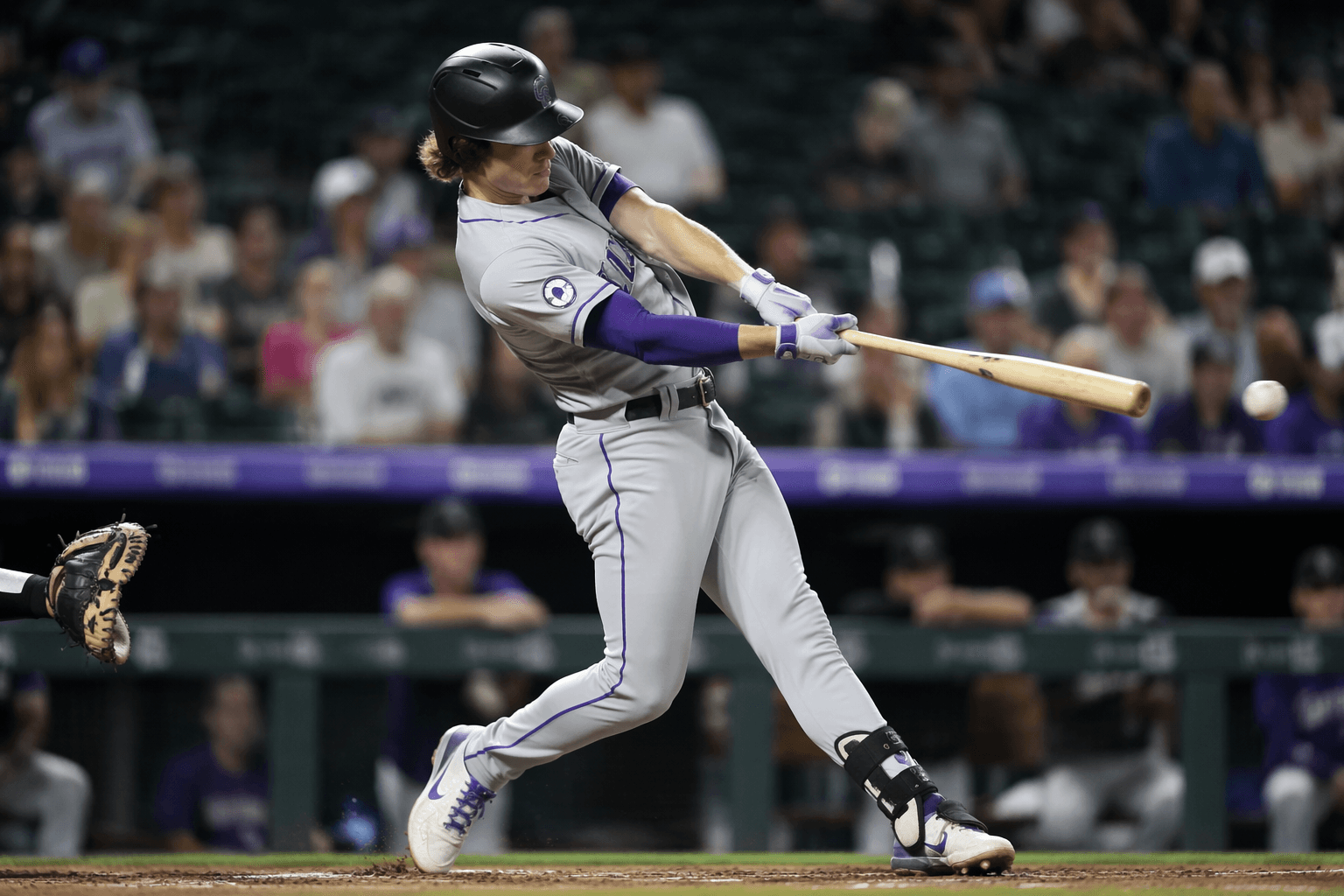
Detroit has treated the path differently, but not by much. The Tigers promoted Kevin McGonigle, Max Clark and Josue Briceño from High-A West Michigan to Double-A Erie on July 6, 2025, after McGonigle ripped through High-A pitching. MLB later noted that McGonigle had only 46 games above A-ball as of early 2026, yet the club still saw a quick route to Detroit as possible if roster openings and spring performance lined up. Even his extension did not change the PPI picture, because the deal came after his debut.
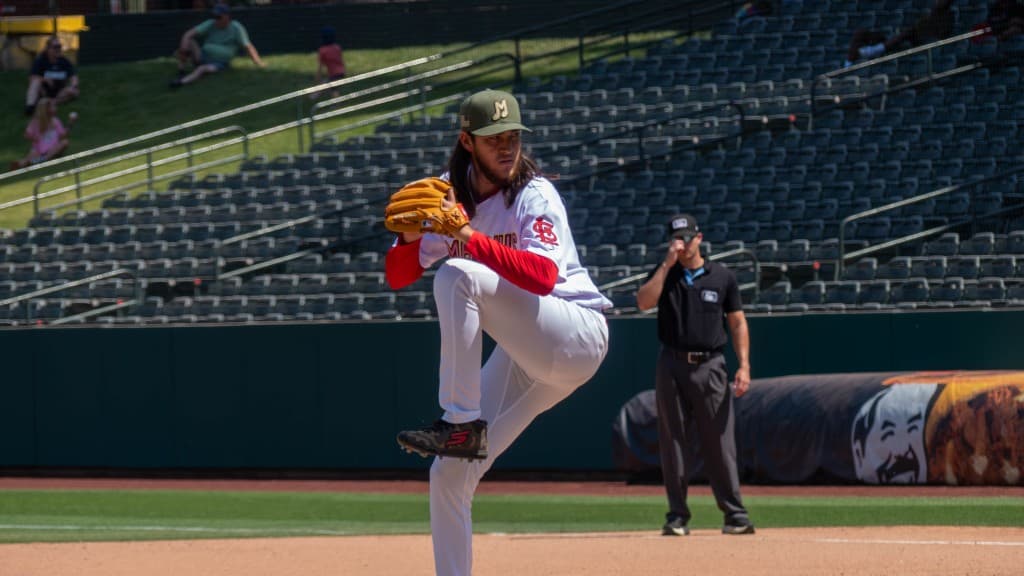
Minnesota sits somewhere in between. Kaelen Culpepper, the Twins’ No. 2 prospect and MLB Pipeline’s No. 49 overall prospect, has been pushed forward more cautiously despite real offense. He homered twice in a Triple-A doubleheader on April 5, 2026, and his 2025 High-A line, .304/.400/.506 with eight homers and 14 steals in 42 games, reinforced the belief that his bat can travel. Scouts have liked his bat-to-ball skill and strong arm since Kansas State, even while wondering whether he would stay at shortstop or ultimately grow into his power.
The message from all three cases is clear: Triple-A performance still matters, but only as one piece of a much faster, more strategic calculus. For some prospects, the level remains a proving ground. For others, it has become a checkpoint on the way to the majors before the clock, the roster and the incentive system all push in the same direction.
This article was produced by Prism’s automated news system from verified source data, official records, and press releases, then run through automated quality and moderation checks before publishing. The system is built and supervised by the people who set the standards it runs under. Read our full AI policy.
Did this article answer your question?