Prospect showcase spotlights Yankees, Guardians Triple-A talent in Columbus
A national Triple-A showcase made Carlos Lagrange and Angel Genao the main event in Columbus, where a live broadcast turned prospect movement into a major-league preview.
A Triple-A game in Columbus became a national prospect audit the moment MLB Pipeline put the Columbus Clippers and Scranton/Wilkes-Barre RailRiders on MLB Network. First pitch was set for 7:05 p.m. ET on Saturday, June 20, with the game also on MLB.TV and available free on MLB.com, a setup that turned one International League matchup into the league’s latest proof that the upper minors can be packaged like prime-time inventory.
Why the showcase mattered
MLB billed the game as the first minor league contest of the 2026 season carried live on MLB Network, and that framing told you everything about the direction of the sport’s player-development machine. Triple-A no longer exists only as a warehouse for depth; it is the place where front offices, evaluators, and fans look for the next roster move before it happens. Columbus versus Scranton/Wilkes-Barre offered exactly that kind of tension, with players who were either on the edge of the majors, being shifted to fit a major-league timeline, or one big week away from forcing a decision.

That is why the showcase format works. It gives a single game the feel of a live prospect market, where one outing can change the way a bullpen is built, a shortstop is viewed, or a call-up clock is managed.
Carlos Lagrange put velocity at the center of the night
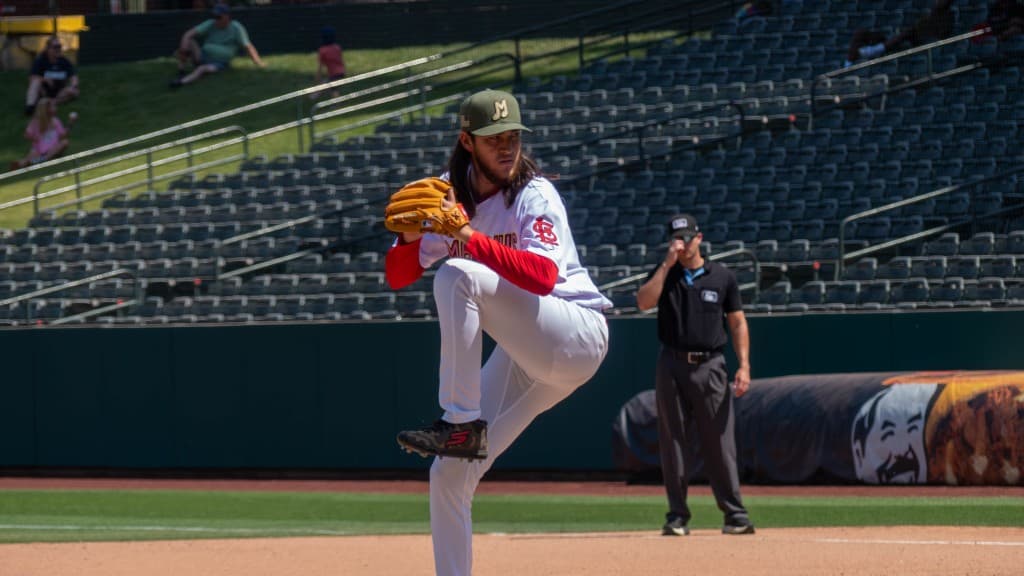
No player fit that idea better than Carlos Lagrange, the Yankees’ 6-foot-7 right-hander whose move to the bullpen was designed to speed his path to New York. His fastball was sitting 98 to 99 mph and had touched 103, while a cutter had become an effective out pitch, the kind of two-pitch power profile that plays loudly in a showcase setting.
MLB later tracked his first Triple-A relief outing at 101.4 mph with seven strikeouts, and it also reported that he had already been touching 102.8 mph in May. That is not just thrower’s noise at the top of the ladder, it is an organizational signal: the Yankees wanted to see whether his stuff could travel faster in shorter bursts, and the answer arrived in public, with radar-gun readings that made him impossible to miss.
The move to relief was more than a role change. It was a development decision tied directly to the major-league calendar, the kind of adjustment clubs make when a player’s arm is close enough that the next step matters more than the last one.
Angel Genao gave Columbus an infield centerpiece
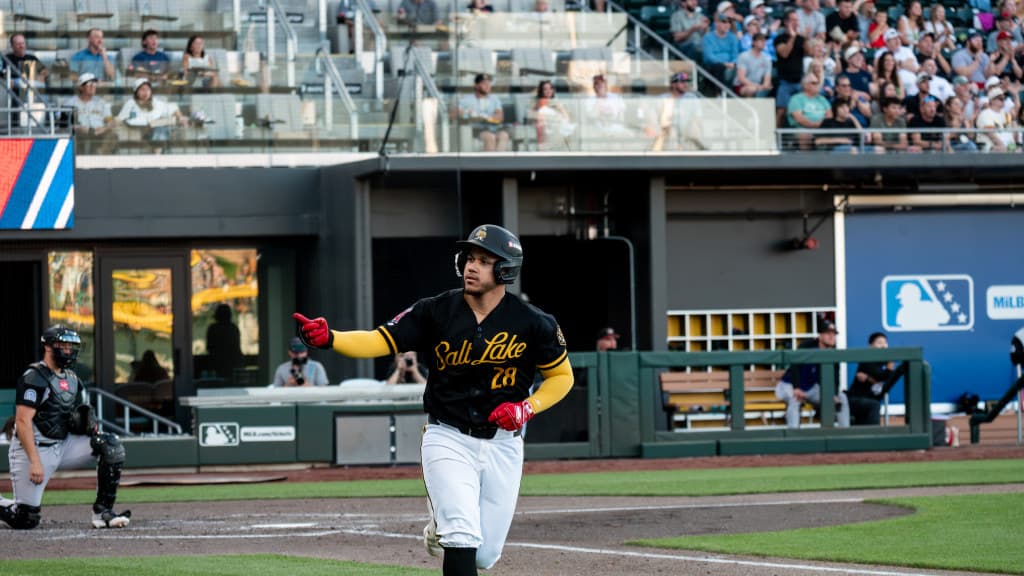
On the home side, Angel Genao gave the Clippers their own headline prospect. MLB identified the 22-year-old switch-hitting shortstop as Cleveland’s No. 3 prospect and No. 57 overall when he was promoted to Triple-A Columbus last month, and the numbers behind his rise explain why he drew such attention in a showcase built around proximity to the majors.
Genao signed for $1,175,000, played in the 2017 Little League World Series for the Dominican Republic, and broke out in 2024 after a 2023 meniscus injury interrupted his momentum. That path matters because it shows how quickly a player can move from recovery to relevance once the tools start to stack up again. In a game like this, a player with his profile is not just a name on a prospect list, he is a candidate to influence the next Guardians roster conversation.
Columbus has been Cleveland’s Triple-A affiliate since 2009, so Genao also stepped onto a stage that has become central to the organization’s evaluation process. When he takes the field there, the sight line to Progressive Field is short.
The RailRiders still had bats with major-league shape
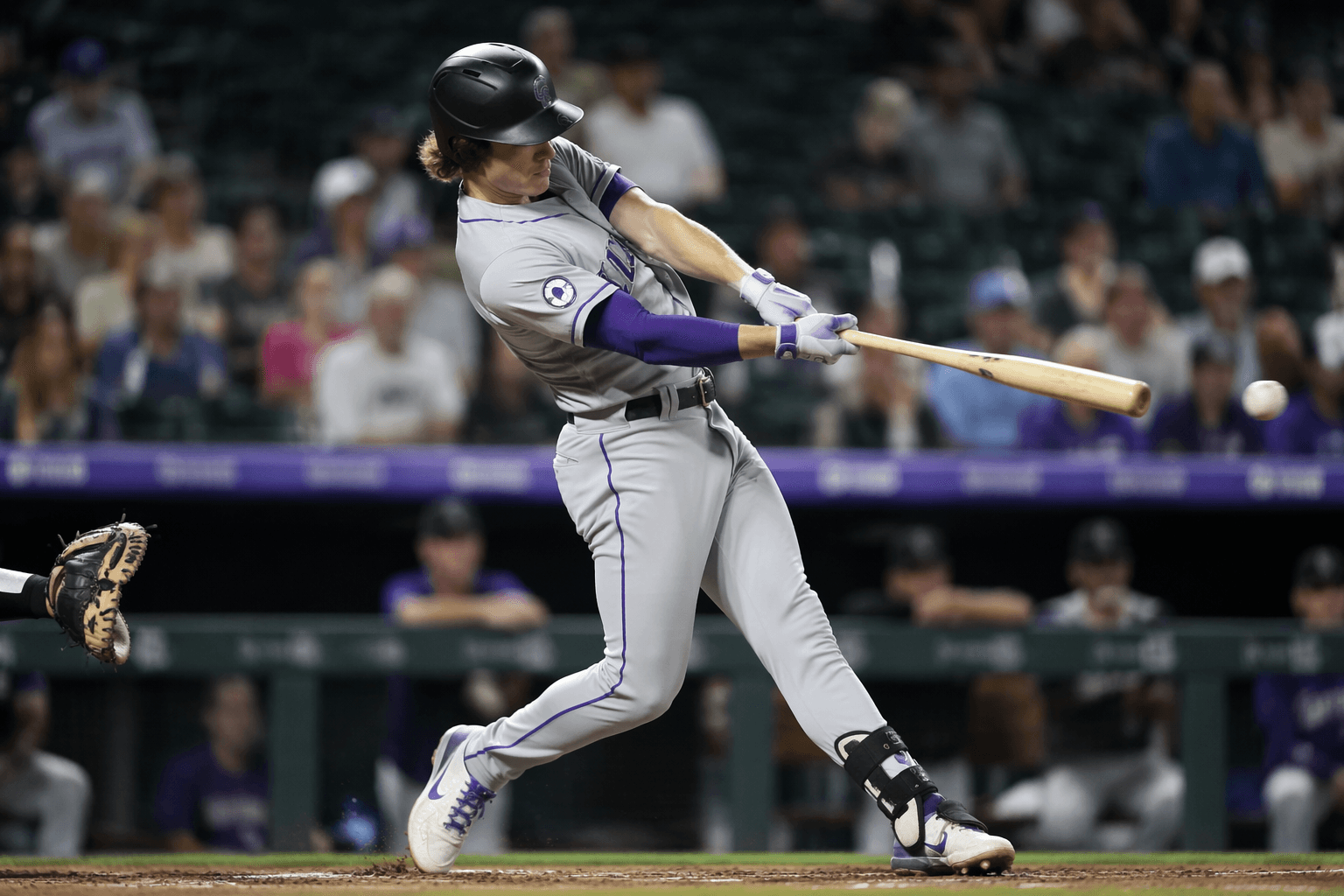
The Yankees’ side of the matchup extended beyond Lagrange. Scranton/Wilkes-Barre brought recent Top 100 bats Yanquiel Fernández and Marco Luciano, which gave the game a lineup feel that was closer to an MLB spring training split-squad than a routine minor-league date. That is exactly the point of the showcase: place players who are already part of the national prospect conversation into a setting where the eyes watching them are as important as the box score.
Garrett Martin added another layer. The first baseman was making his Triple-A debut after producing 19 homers and 17 steals at Double-A Somerset, numbers that gave him both power and athleticism heading into the highest minor-league level. A debut like that turns a showcase into a checkpoint, because it tells evaluators whether a player’s production can survive against more advanced pitching and more immediate scrutiny.
Some of the star power vanished before first pitch, and that was part of the story
The game’s original spotlight dimmed when George Lombard Jr. landed on the 7-day injured list on June 18 after spraining two fingers in his left hand on a defensive play at second base two days earlier. Elmer Rodríguez was scratched for what looked like a likely big-league callup, which only sharpened the lesson of the night: prospect showcases are not fixed exhibits, they are snapshots of a system in motion.
Rodríguez had already reached the majors in 2026 and had four MLB starts by late June, a reminder that Triple-A’s most visible talent often spends only a short time in one place before the majors pull it upward. Lombard Jr.’s injury and Rodríguez’s promotion tugged the roster picture in opposite directions, but both outcomes reinforced the same point. The distance between a showcase game in Columbus and a major-league depth chart is measured in days, not seasons.
The ballparks are part of the presentation
The setting helped the broadcast feel bigger than a routine affiliate game. Huntington Park opened in 2009 and seats just over 10,000, while PNC Field was rebuilt in 2013 and holds 10,000. Those are intimate numbers by major-league standards, but they are exactly what makes upper-level prospect baseball feel urgent: the crowd is close, the plays are visible, and every radar reading or swing decision lands with more force.
Columbus has also long carried a Yankees connection in the sport’s development memory, even as it has served as Cleveland’s Triple-A home since 2009. That layered history gives a game like this an extra charge, because the same city can be read by different organizations as a proving ground for the same kind of player.
The June 20 game showed how MLB wants Triple-A to be consumed now. It was a live broadcast, a prospect showcase, and a roster map all at once, built around players who are close enough to the majors that one hot week can change everything.
This article was produced by Prism’s automated news system from verified source data, official records, and press releases, then run through automated quality and moderation checks before publishing. The system is built and supervised by the people who set the standards it runs under. Read our full AI policy.
Did this article answer your question?