Ten Prospects Who Just Missed Top‑100 Could Fuel Triple‑A Rosters
Fans will get a scouting-forward look at 10 near-miss prospects who could be Triple‑A difference-makers this season.

1. Jackson Ferris (LHP, Dodgers)
Jackson Ferris lands at the top because his left‑handed arm and pitchability make him a near‑ready depth piece for Triple‑A. Scouting notes highlight his ability to land multiple pitches and generate whiffs, and 2025 showed him trending toward longer outings against upper‑minors hitters. Dodgers organizational depth means Ferris could be stretched in Triple‑A to see if his stuff plays over a full season, with command and consistency the two things to monitor in 2026. If he takes the next step, Ferris could be a swingman or bulk guy who gives the parent club innings in a pinch.
2. Gabriel Gonzalez (OF, Twins)
Gonzalez ranks high for his run‑producer upside and outfield tools that translate well to Triple‑A parks. Scouts praised his ability to impact the barrel and cover ground, and his 2025 profile suggested more frequent hard‑contact outcomes against pro arms. For the Twins, Gonzalez fits the classic Triple‑A candidate: a power/speed projection who can be optioned to provide immediate offense or defensive slotting for a big‑league callup. Watch plate discipline and strike‑zone control, those will decide whether his power plays against veteran Triple‑A pitching.
3. Ethan Salas (C, Padres)
As a premium catching prospect, Ethan Salas projects as a high‑leverage Triple‑A asset thanks to his defensive tools and hitting upside. 2025 served as a developmental checkpoint, and catchers with his profile often begin seasoning in Triple‑A before a major league audition. The Padres value catcher defense and pitch framing, so Salas’s ability to handle a staff and maintain offensive growth will dictate how long he stays at Triple‑A. Expect game calling, pitch framing, and handling veteran pitchers to be central storylines when he ramps up.
4. Brice Matthews (2B, Astros)
Matthews brings pop and a switch‑hit profile that makes him a clear Triple‑A candidate if his contact profile normalizes. After showing volatility in 2025, the focus for 2026 is whether he can control chase tendencies and translate raw power into consistent run production. The Astros’ infield depth could push Matthews to Triple‑A as organizational insurance with optionable MLB upside. For fans, Matthews represents the boom‑or‑bust Triple‑A bat who can change a lineup overnight when he’s on.
5. Jhonny Level (SS, Giants)
Level’s shortstop defense and athleticism make him a defensive anchor at Triple‑A, and scouts see him as a plausible glove‑first shortstop with emerging offense. His 2025 work provided flashes that keep him on the cusp of the Top‑100, and the Giants could use him in Triple‑A to refine his approach against advanced pitching. Team dynamics matter: San Francisco’s short‑stop depth will determine how quickly Level sees big‑league innings. Monitor his on‑base growth and how his swing handles velocity late in counts.
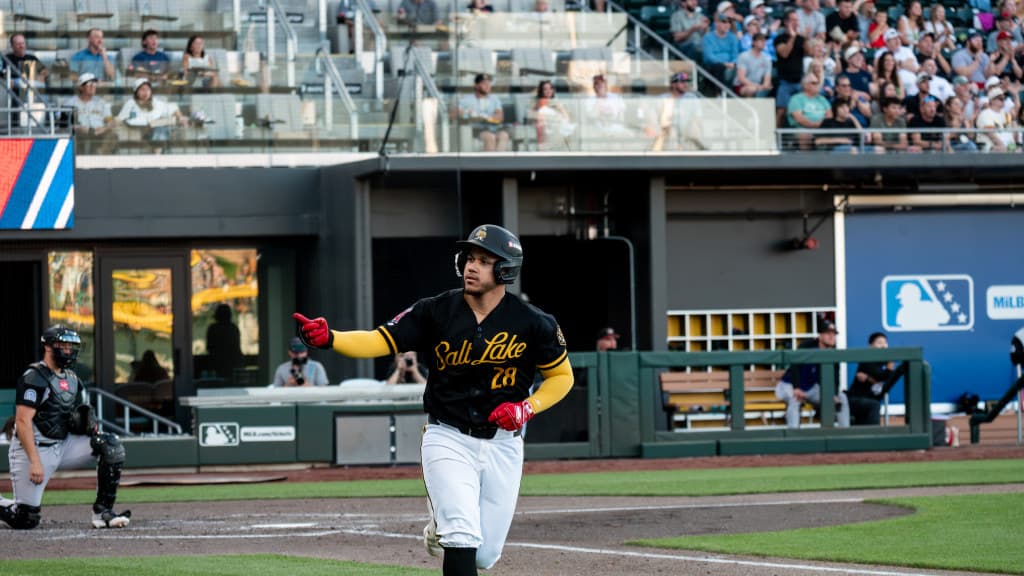
6. Jhostynxon Garcia (OF, Pirates)
Garcia’s profile is built on raw tools, center‑field range and a power stroke that can punish mistakes, making him a natural Triple‑A call when ready. In 2025 he showed moments that suggested a leap was possible, but consistency and strikeout rate remain the big developmental questions going into 2026. The Pirates’ rebuilding roster could create quicker paths through their minors, positioning Garcia as an internal option for Triple‑A outfield slots. His ability to influence game outcomes will hinge on making frequent hard contact rather than relying solely on loft.
7. Andrew Fischer (3B, Brewers)
Fischer’s corner profile and bat‑first approach make him an intriguing Triple‑A bat, especially in lineups that need left‑handed power. 2025 provided context on how his bat handles pro velocity; his value will rise if he pares free passes and turns more pitches into barrels. Milwaukee’s depth chart might push Fischer into a Triple‑A platoon role, giving him exposure to advanced pitching and situational at‑bats. Keep an eye on his defensive reps at third and how that positional flexibility affects roster decisions.
8. Gage Wood (RHP, Phillies)
Wood is a pitchability candidate who could slide into a Triple‑A rotation or bullpen depending on how his arsenal fares against veteran hitters. Scouting points emphasize sequencing and feel, traits that often determine success at the Triple‑A level where hitters expose raw pitchers. The Phillies could experiment with Wood in multiple roles in 2026 to find the best fit, monitoring his command and ability to repeat delivery under workload. His ceiling is real for organizational depth if he polishes a third pitch and improves late‑inning execution.
9. Trey Gibson (RHP, Orioles)
Gibson represents a boom in relief or low‑leverage rotation depth for Baltimore, a player whose health and innings projection are central to his Triple‑A trajectory. 2025 included development checkpoints and perhaps some missed time, so 2026 will be about proving durability and showcasing his best offerings over longer stints. The O’s organization values homegrown arms, which could fast‑track Gibson to Triple‑A once he demonstrates consistent strike‑zone command. Watch velocity maintenance deep into outings and his third‑pitch development.
10. Jeferson Quero (C, Brewers)
Quero is the second catcher on this list, underscoring how premium that position is for Triple‑A rosters seeking both defense and offense. His 2025 tape showed enough to keep him on the radar, and Milwaukee may deploy Quero in Triple‑A to work with staffers and fine‑tune pitch recognition. Catcher depth is organizationally strategic; Quero’s path will be influenced by the health and performance of Brewers’ upper minors and MLB backstops. The key variables for 2026 are pitch framing, game management, and offensive plate discipline.
Practical takeaway: Triple‑A is the testing ground where raw tools meet veteran pitching and roster urgency, so focus less on singular tools and more on whether these players can sustain contact, command, and health across a full Triple‑A slate, the prospects who do will become immediate difference‑makers for their organizations.
This article was produced by Prism’s automated news system from verified source data, official records, and press releases, then run through automated quality and moderation checks before publishing. The system is built and supervised by the people who set the standards it runs under. Read our full AI policy.
Did this article answer your question?