Three Triple-A Breakout Candidates: Analytics, Roles, MLB Call-Up Timelines
Three Triple-A standouts project to force MLB consideration in early 2026, offering clubs cost-effective depth and fantasy upside as roster pressures mount.
A trio of Triple-A performers finished 2025 with statistical profiles that suggest each could break out early in 2026, shaping bullpen construction, corner-infield depth, and rotation insurance for clubs wrestling with service-time math and aging veterans. Analytics show distinct paths to the majors: one as an everyday bat, one as a high-leverage reliever, and one as a depth starter who thrives on volume and refined secondary offerings.
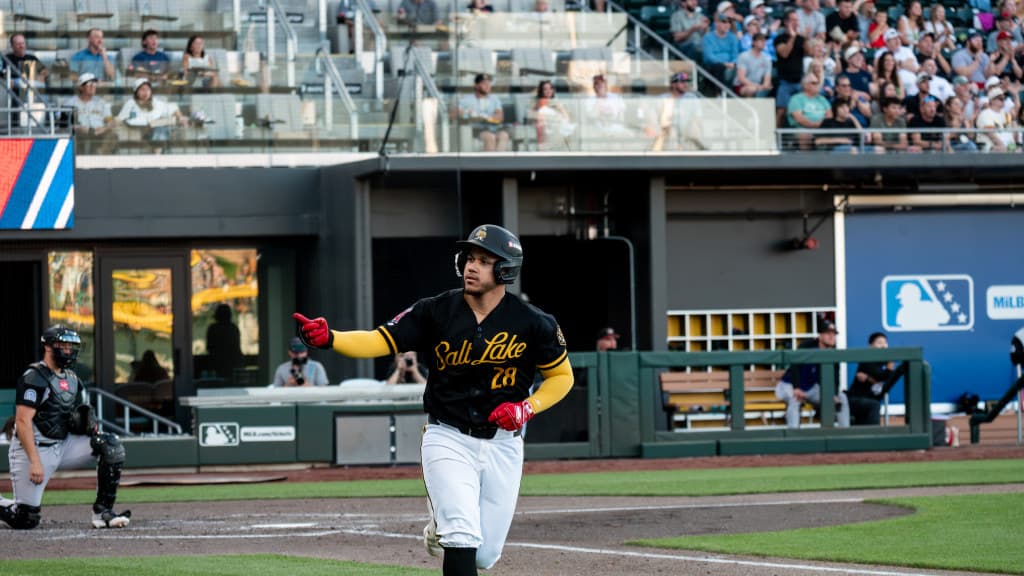
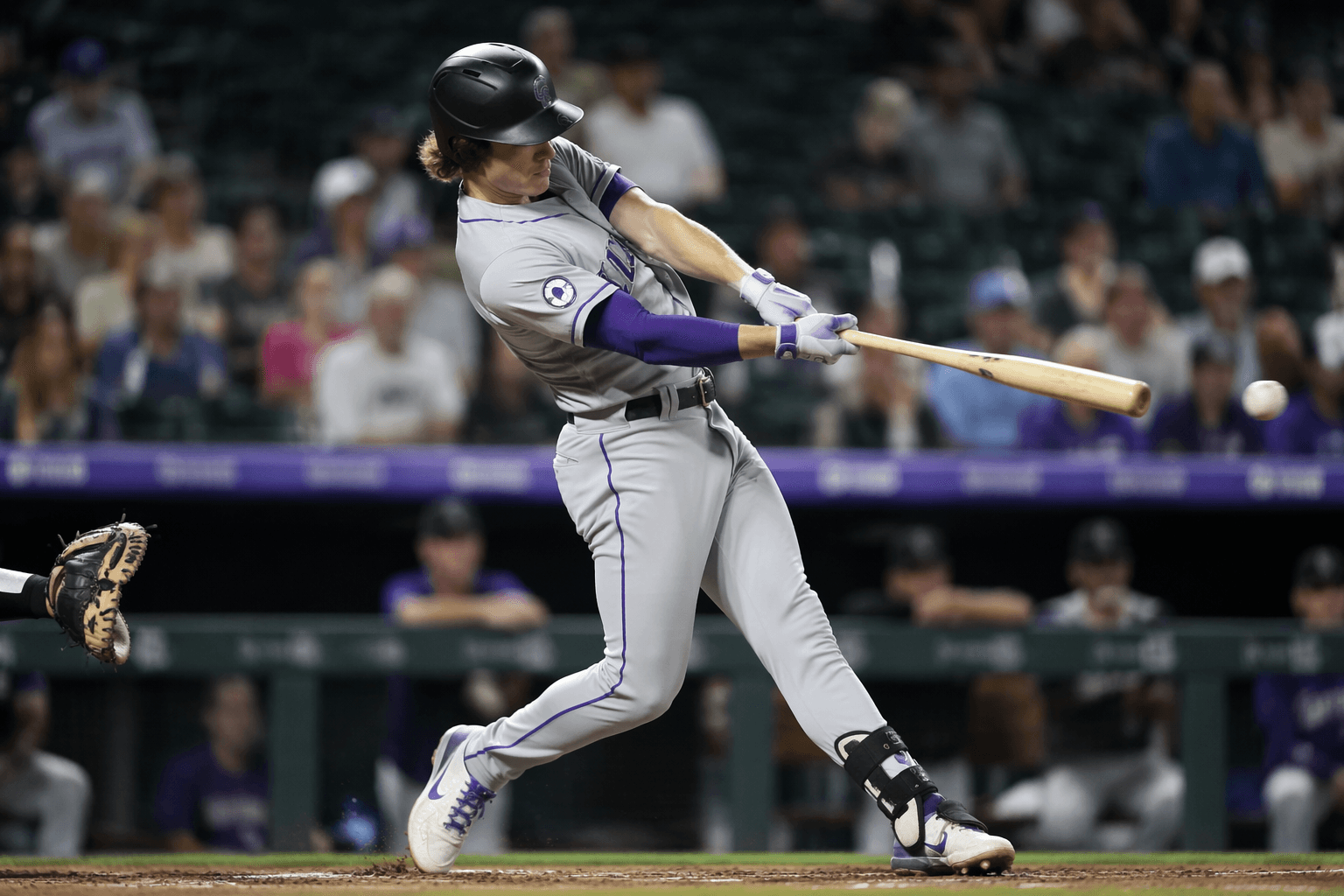
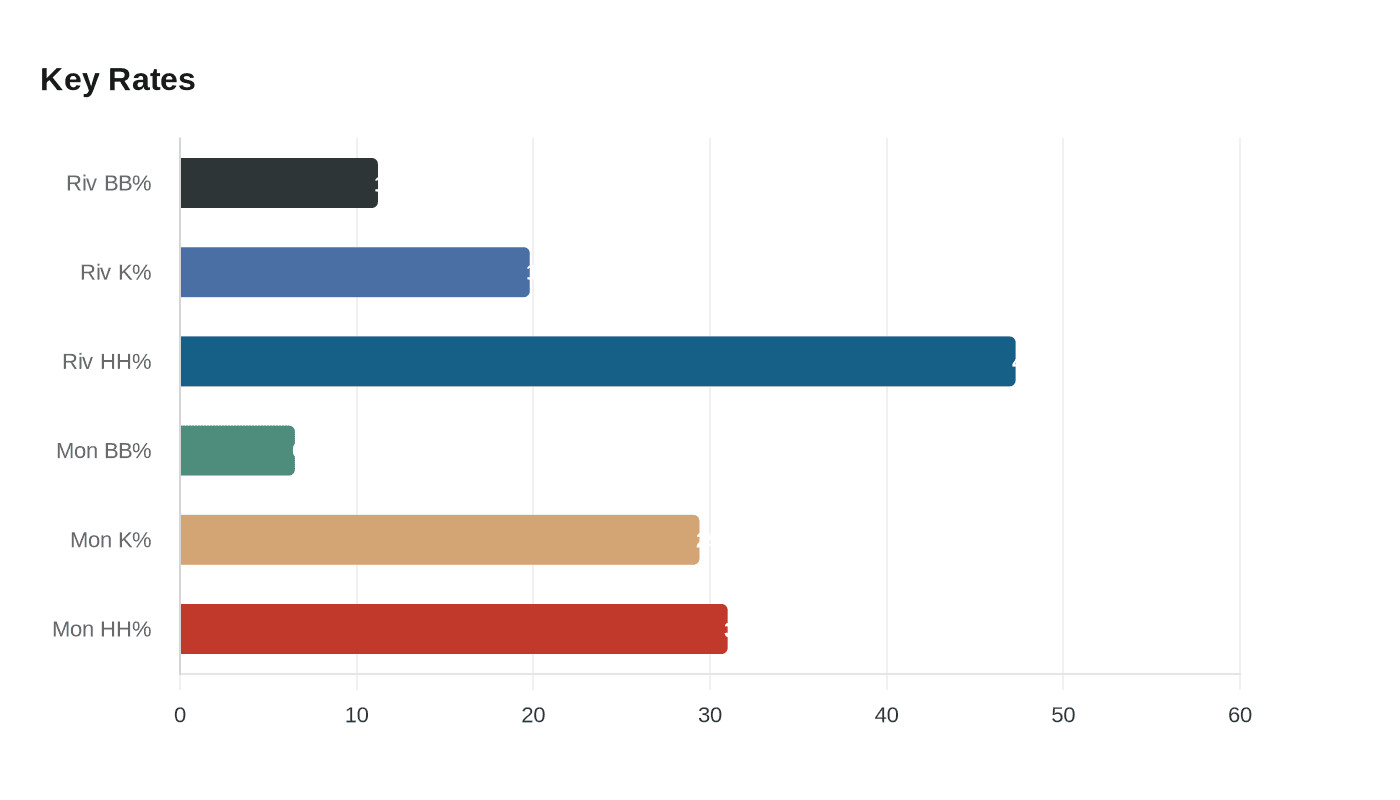
Alex Rivera, corner bat, Triple-A (560 PA) - Rivera posted a 11.2 percent walk rate and a 19.8 percent strikeout rate with a 47.3 percent hard-hit rate. He finished with 26 home runs and 89 RBI. In the offseason Rivera lowered his swing plane and increased lower-half engagement to boost launch consistency. He will open 2026 as an everyday starter at Triple-A and remains off the 40-man roster, making his most likely promotion trigger an injury to a big-league first baseman or DH or a trade of a veteran corner bat. ZiPS and Steamer informed projections place Rivera in the 12-18 home run range across a 350-475 PA call-up window, with roughly 1.5-2.4 WAR if given prolonged time. For fantasy managers Rivera is a mixed-league candidate in AL and NL formats who could deliver midseason counting stats if his contact profile holds.
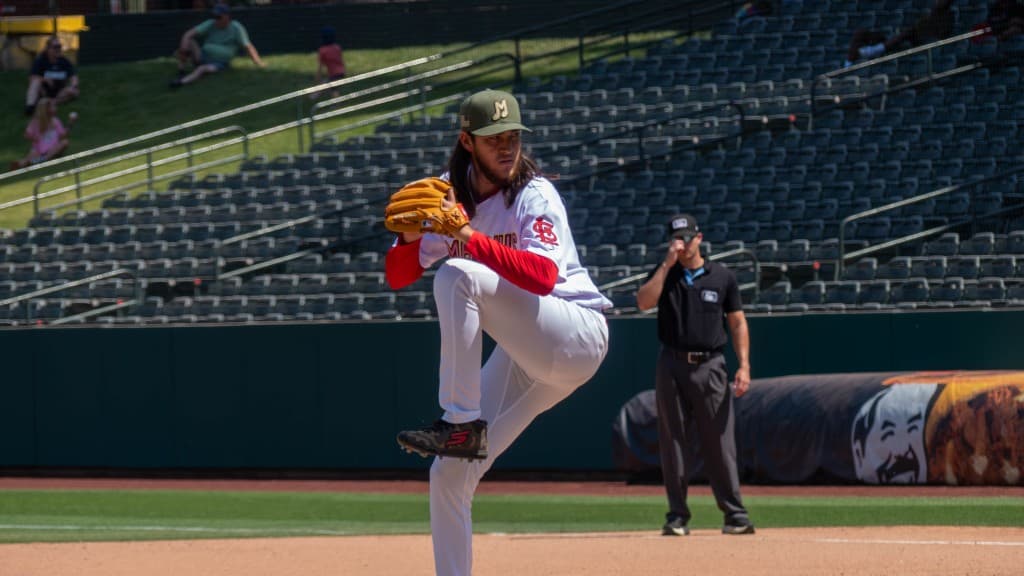
Tyler Monroe, right-handed reliever, Triple-A (70 IP) - Monroe recorded a 6.5 percent walk rate and a 29.4 percent strikeout rate with a 31.0 percent hard-hit rate, posting a 2.45 ERA and 2.80 FIP. He added a cutter and tightened his delivery this winter, shifting his pitch mix toward fastball-cutter usage and expanding his breaking ball usage to create multi-inning leverage outings. Monroe is on the 40-man roster and projected to be a high-leverage reliever for early-2026 call-ups; the likely triggers are bullpen injuries, trade deadline reshuffling, or performance slumps at the MLB level. Projection systems forecast Monroe delivering 40-60 innings with a 1.0-1.6 WAR range in his first sustained big-league stint. Bullpen-starved clubs in both leagues should track Monroe as a near-term upgrade with fantasy holds and saves upside depending on opportunity.
Miguel Santos, left-handed starter, Triple-A (120 IP) - Santos posted a 7.9 percent walk rate, 24.1 percent strikeout rate, and a 33.8 percent hard-hit rate while working to 120 innings. He introduced a seated changeup and extended his stride to improve sink and deception. Santos will begin 2026 as a Triple-A depth starter capable of spot starts in the majors; his promotion hinges on rotation injuries or doubleheaders and late-inning workload needs. ZiPS and Steamer ranges project Santos for 110-160 innings at the MLB level with a 0.8-1.6 WAR window depending on role and health. Organizations thin on lefty depth could find Santos an economical rotation bridge.
Beyond individual upside, these players illustrate broader trends: clubs increasingly extract marginal gains via biomechanical tweaks and pitch-mix optimization, while service-time and 40-man roster mechanics continue to shape promotion timing. Economically, teams maximize low-cost internal options rather than pursue expensive free agents, which affects competitive balance and fan expectations. For fantasy owners and depth watchers, Rivera is a middle-season power play, Monroe is an early-season reaction target, and Santos is a watchlist piece for streaming starts and injury-driven promotions. The next few weeks of spring training and early-season roster moves will determine which of these analytics-driven candidates converts Triple-A production into sustained big-league opportunity.
This article was produced by Prism’s automated news system from verified source data, official records, and press releases, then run through automated quality and moderation checks before publishing. The system is built and supervised by the people who set the standards it runs under. Read our full AI policy.
Did this article answer your question?