Triple-A Clubs Emphasize Coaching Continuity and Analytics for 2026
Triple-A clubs are keeping coaching staffs intact while folding analytics into daily player development, reshaping 2026 roster decisions and front-office communications.
Across recent staff announcements and front-office notes, Triple-A organizations are emphasizing coaching continuity while accelerating analytical integration as they prep for the 2026 season. Clubs repeatedly highlighted returning managers and coaches alongside expanded data roles, signaling that stability in instruction will be paired with more rigorous metrics-driven decision-making.
Several front offices described sequencing that keeps veteran instructors in place for position groups while assigning new analytics responsibilities to existing staff. The trend shows clubs favoring returning managers and pitching coaches for consistency in workload plans and player messaging, and embedding quantitative support into spring training and non-roster invitee evaluations. That combination aims to smooth transitions when top prospects arrive and to standardize performance benchmarks across affiliates.
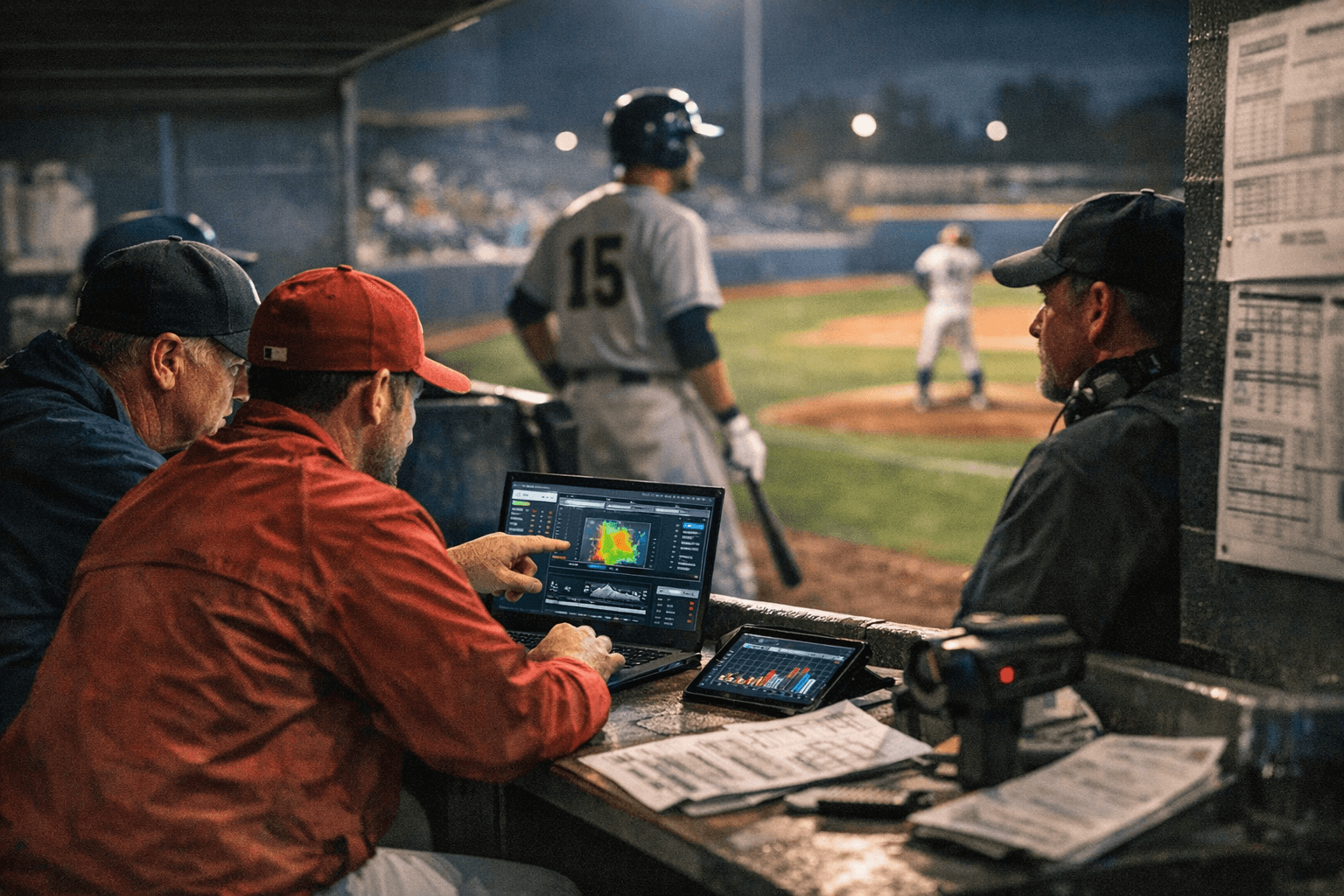
On the analytics side, organizations are moving beyond periodic scouting reports to operationalize data in game-planning and development. Front-office notes emphasize integrating run-value metrics, biomechanical velocity tracking, and roster-incentive modeling into day-to-day coach-player conversations. These changes affect how teams prepare 40-man and non-roster invitee lists, and how clubs communicate promotion timelines to prospects in Triple-A.
The business calculus is clear in internal communications: coaching continuity reduces onboarding friction and cuts the risk of mixed messages to prospects, while analytics provide concrete criteria for promotions and incentive pay. From a revenue perspective, a consistent coaching voice combined with measurable player development makes season-ticket marketing and corporate sponsorship conversations easier to quantify around player pipeline value and sellable milestone events.
Reader engagement metrics from recent coverage show why clubs and media must be explicit in their headlines and ledes. Data indicate 98.1% of readers only view without sharing, while just 1.9% of articles are shared. An editorial fix recommended in staff notes is to front-load marquee names and concrete details - examples cited include items such as "31 Non-Roster Invitees," "Top-100 Prospect," or positional moves like "moves to full-time pitching" to increase share potential and social traction.
A technical note from communications teams flagged a metadata anomaly where article records returned Words = 0, undermining headline and summary display. Clubs and beat reporters are prioritizing corrected metadata so that ledes reliably show player names, prospect ranks, and dollar or incentive details that drive reach. For Triple-A clubs, the 2026 season will be measured not just in wins but in how consistently coaching continuity and analytics create clearer promotion paths, marketable narratives, and measurable development outcomes for prospects and partners.
This article was produced by Prism’s automated news system from verified source data, official records, and press releases, then run through automated quality and moderation checks before publishing. The system is built and supervised by the people who set the standards it runs under. Read our full AI policy.
Did this article answer your question?