Triple-A Primer: Top Prospects, Veterans, Rehab and National Championship
Triple-A serves as the last proving ground for prospects, veteran depth and rehab stints, culminating in a National Championship Game that affects MLB roster decisions.

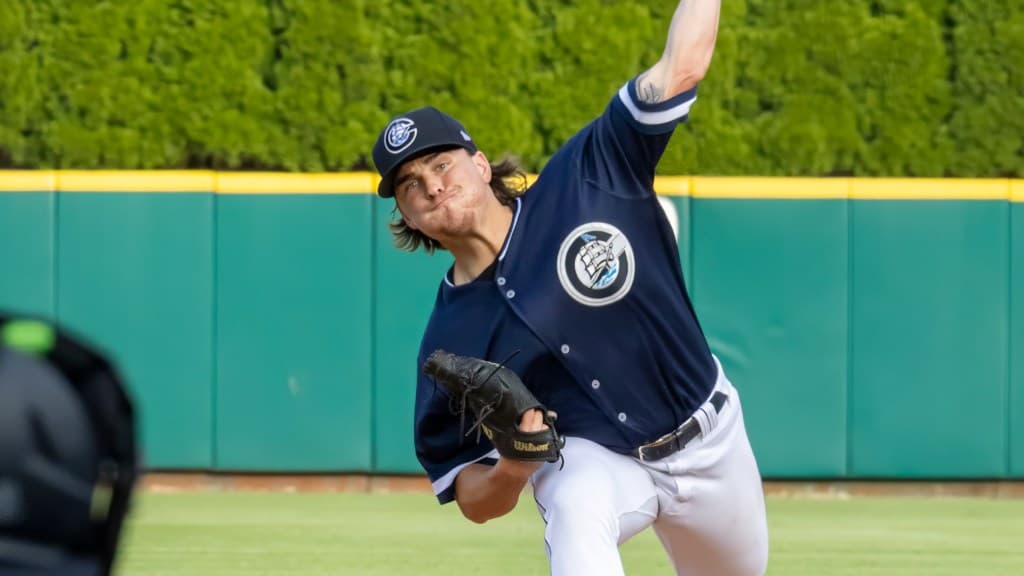
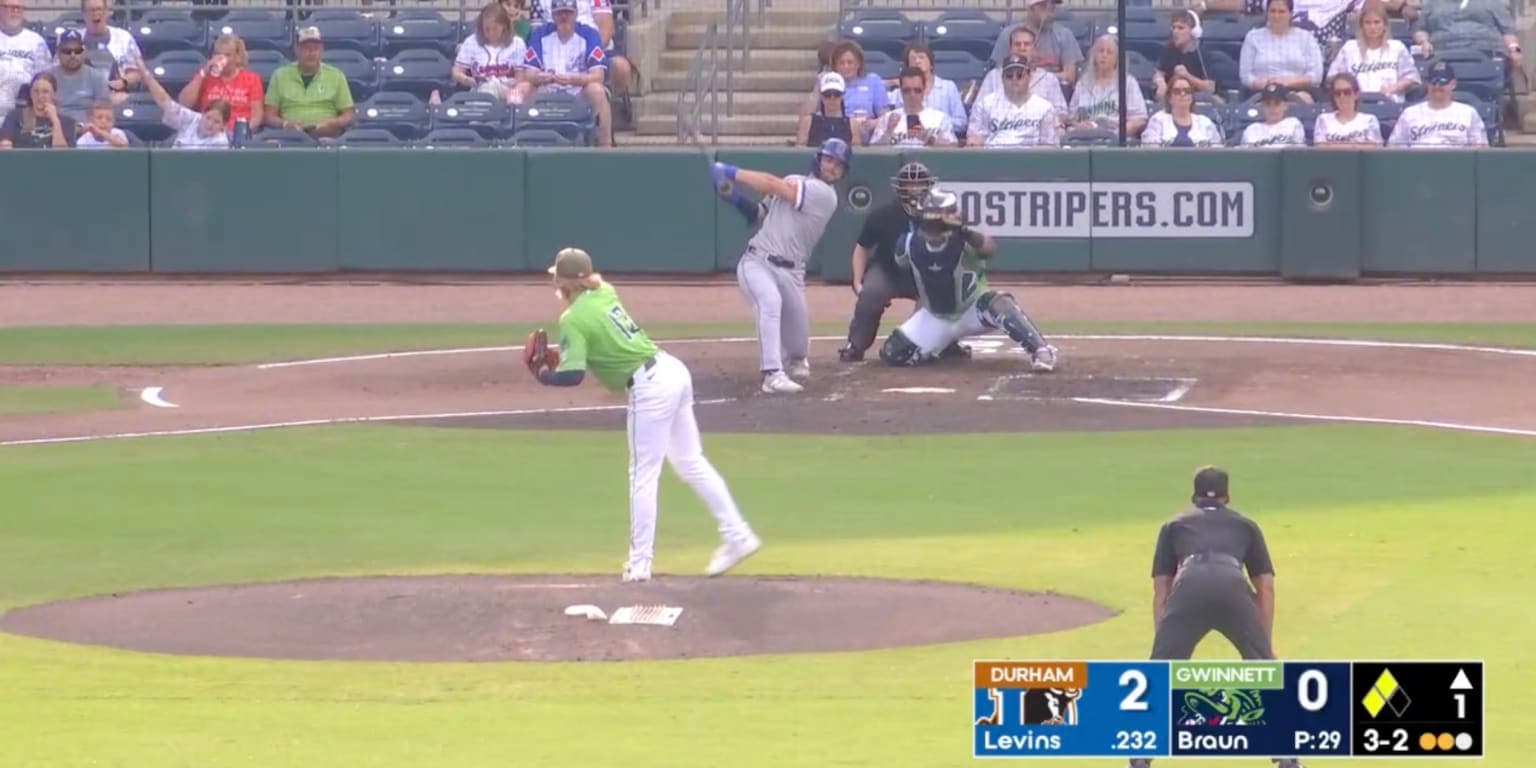
Triple-A is baseball's final development tier and a live wire in the sport's ecosystem. Home to the International League and the Pacific Coast League in recent formats, Triple-A houses top prospects on the cusp of big league promotion, seasoned veterans who provide organizational depth and major leaguers on rehab assignments. Its regular season feeds into league playoffs and, since 2006, an overall Triple-A National Championship Game that puts prospects and depth pieces on a national stage.
For fans and front offices, Triple-A is more than a minor league stop; it is the last on-field evaluation against near-major-league competition. Prospects refine plate discipline, secondary pitches and situational defense while facing pitchers with big-league seasoning. Veterans in Triple-A log innings and accumulate at-bats that preserve roster flexibility for their parent clubs. Rehab assignments allow injured major leaguers to rebuild timing and command in game settings rather than simulated drills. That mix of raw upside and polished competence makes Triple-A a strategic fulcrum in roster construction.
The business dynamics are also significant. Clubs use Triple-A to manage 40-man rosters, preserve option years where applicable, and time September or midseason call-ups with service time and roster crunches in mind. For front offices, a strong Triple-A performance can change trade valuations and influence contract decisions. For local franchises, Triple-A teams are valuable entertainment assets. They sell tickets, develop community ties and create high-visibility windows when a top prospect or a rehabbing star appears on the lineup card.
Culturally, Triple-A clubs sustain baseball towns where fans cultivate relationships with players who may arrive in the majors or return after a stint in the big leagues. The mix of young phenoms, journeymen and household names on rehab assignments generates compelling narratives: a rookie chasing his first major-league call, a veteran hoping to reestablish his swing, or a pitching prospect cracking the starting rotation. Those storylines matter to scouts, front offices and fans who track player trajectories closely.

The postseason structure gives Triple-A an exclamation point. League postseason play crowns International League and Pacific Coast League champions, and the single-game National Championship provides a high-stakes showcase that can accelerate a player's reputation and a club's momentum heading into the offseason.
For readers tracking talent pipelines, Triple-A signals what's coming. Monitoring lineups, pitch usage, plate discipline metrics and rehab timetables provides actionable insight into imminent major-league roster moves. As the sport continues to emphasize analytics, roster flexibility and cost control, Triple-A remains the laboratory where potential meets practical readiness. The next call-up, the next trade deadline reinforcement and the next National Championship moment will all be rooted in what happens at this level.
Know something we missed? Have a correction or additional information?
Submit a Tip