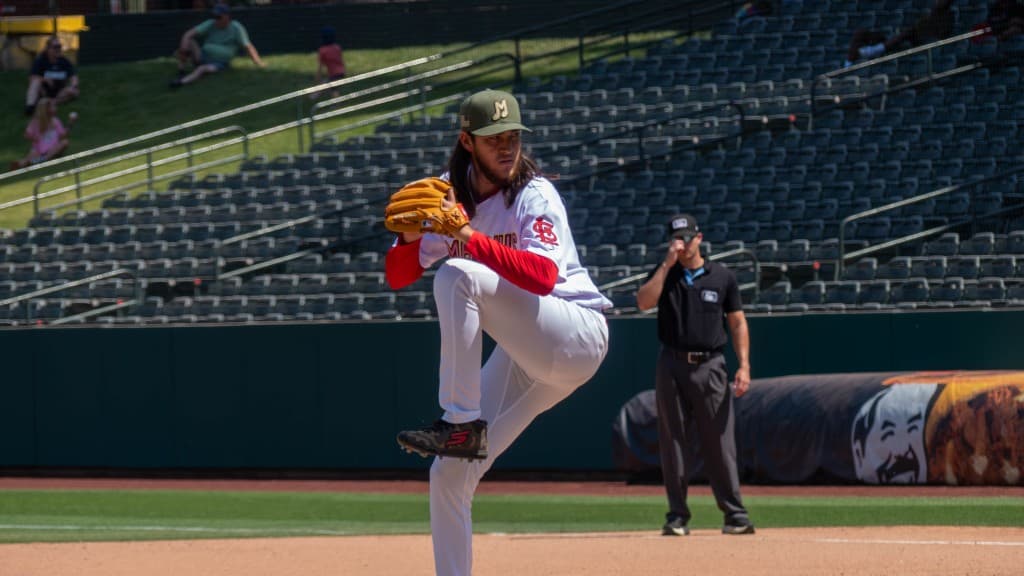
Triple-A Spring Primer: Veteran Signings, Development Roles and Call-Up Timing
Triple-A rosters hinge on veteran signings, development roles and call-up timing, shaping early-season MLB depth.

Clubs are treating Triple-A as the fulcrum between present competitiveness and long-term development, and this spring that balance will be determined by three roster levers: veteran minor-league signings, coaching-driven role assignments, and the timing of spring invitation and assignment decisions. Those choices will decide which players open at Triple-A, who gets stretched out for a rotation spot, and which arms and bats are truly plug-and-play for big-league call-ups.
The most visible trend is the steady flow of veteran non-roster signings and minor-league deals that stack Triple-A benches with experienced hitters and pitchers. Those veterans provide immediate depth for organizations facing injuries or early-season performance issues, and they influence roster behavior at the MLB level by offering low-cost, high-availability options. Teams will decide whether a veteran starts Triple-A opening day to be ready for an early call-up or begins on a low-A rehab assignment to manage workload and service-time considerations.
Behind the scenes, player-development staff and coaches are sketching role blueprints that affect both individual trajectories and roster flexibility. Openers and piggyback starters are being used to bridge workload gaps, while bulk relievers and multi-inning arms are being cultivated to shorten the leash on high-leverage specialists. Positionless bench construction matters too; utility players who can cover multiple spots create fewer forced moves during the season and give MLB clubs rotational breathing room.
Call-up timing is the final, decisive lever. Decisions around 40-man roster status, non-roster invites, and veteran opt-outs will determine early workload splits between Triple-A and the majors. A player on the 40-man roster who needs to be stretched out will generally remain in Triple-A longer than a non-roster invite who impresses and takes an opt-out, shifting the availability calculus for MLB clubs. Rehab assignments further complicate timelines: sending a veteran through low-A for a soft reintroduction versus a Triple-A tune-up alters the expected readiness for promotion.
The business and cultural effects are significant. Clubs save payroll flexibility by relying on Triple-A depth rather than early-season free-agent moves, while veterans sustain careers and mentor prospects in a high-stakes environment. Local Triple-A communities benefit from the presence of recognizable names, which boosts attendance and engagement during a period that otherwise can be quiet. For prospects, sharing a clubhouse with seasoned professionals accelerates learning about daily preparation and big-league routines.
What to watch this spring are the organization-by-organization depth charts: who is slotted to start versus be stretched out, which veterans sign minor-league deals and whether they begin at Triple-A or in rehab ladder assignments, and how each club curates bullpen roles between multi-inning relievers and high-leverage specialists. Those patterns will reveal how Triple-A rosters translate directly into the first wave of MLB call-ups and the narratives that will define the opening months of the season.
This article was produced by Prism’s automated news system from verified source data, official records, and press releases, then run through automated quality and moderation checks before publishing. The system is built and supervised by the people who set the standards it runs under. Read our full AI policy.
Did this article answer your question?