Triple-A Teams Use Fan Fest and Opening Week to Build Loyal Crowds
Triple-A franchises are turning Fan Fest weekends and opening-week promotions into proven conversion engines for building year-round loyal crowds.
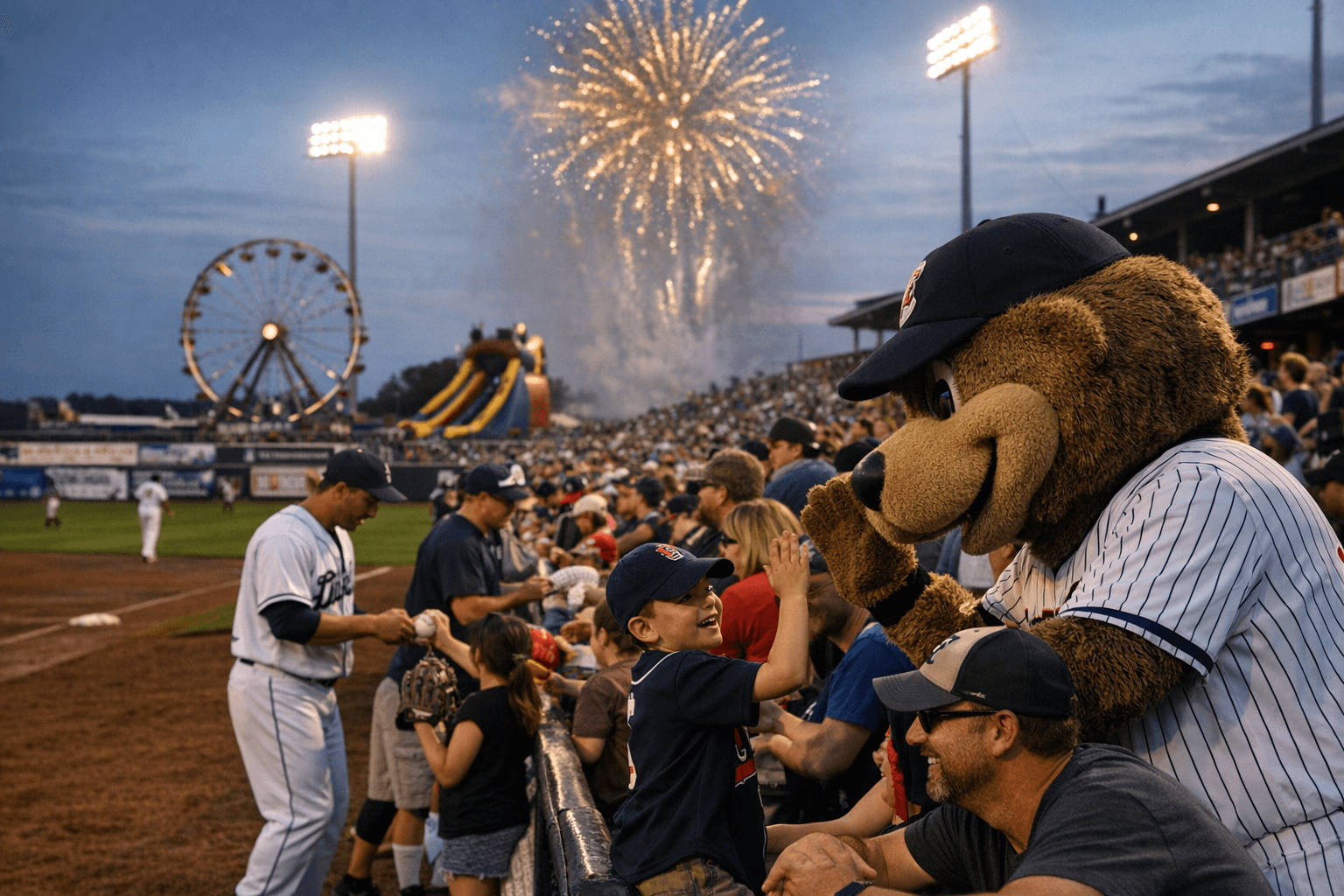
The gap between a curious first-timer and a committed season-ticket holder doesn't close itself. Across Triple-A Baseball, front offices have learned that the weeks surrounding Opening Day represent their single best opportunity to shrink that gap, and the franchises doing it well treat Fan Fest and early-season promotions not as feel-good spectacles but as structured business investments with measurable returns.
What Fan Fest Actually Does for a Franchise
Strip away the autograph lines and the mascot photo ops, and Fan Fest is fundamentally a sales event. The format gives franchises a controlled environment to introduce the ballpark experience to people who have never paid for a ticket, while simultaneously rewarding existing fans with access they can't get during the regular season. That dual function is what makes it so effective as a conversion tool.
For casual fans, the barrier to attendance is rarely price; it's familiarity. People don't go to games they don't feel comfortable at. Fan Fest collapses that discomfort. Families walk the warning track, kids take batting practice in a minor league cage, and the stadium transforms from an abstract venue into a place they recognize. Once that psychological shift happens, the odds of a first regular-season ticket purchase rise significantly.
For teams, the event generates something equally valuable: direct contact with prospective buyers in a low-pressure setting. Front office staff and ticket representatives circulate through the crowd without the transactional tension of a cold call. Conversations happen naturally, and the handoff from "interested fan" to "group sale inquiry" becomes far smoother than any phone campaign can manufacture.
The Opening-Week Playbook
Fan Fest sets the stage, but Opening Week is where franchises attempt to lock in habits. The logic is straightforward: attendance behavior in the first two weeks of a season is a strong predictor of whether a fan returns later in the year. Triple-A markets have recognized this and built promotional calendars that stack incentives into those early games rather than spreading them evenly across the schedule.
Common Opening-Week tools include:
- Discounted multi-game voucher packs sold exclusively during the first homestand, giving fans a financial reason to commit to future dates before the novelty of the new season fades
- Giveaway items tied to the home opener that are unavailable at any other point in the year, creating genuine scarcity and urgency
- Community partnerships with local schools, youth sports leagues, and businesses that funnel group ticket purchases into the first week's gate numbers
- Loyalty program enrollment drives that sign fans up at the gate, ensuring the franchise has contact information and a mechanism to re-engage anyone who attends just once
The sequencing matters. A team that runs its biggest giveaway in Week 6 has missed the window when fan attention and local media coverage are at their seasonal peak.
Converting Attendance Into Loyalty
The conversion challenge doesn't end when someone buys a ticket. Triple-A franchises increasingly treat the in-game experience during opening weeks as a deliberate retention exercise. The goal is to give a first-time attendee a specific reason to return, and to give a returning fan a reason to bring someone new.
This is where the "casual local audience" framing becomes useful. Triple-A markets are not trying to compete with MLB for the hardcore baseball fan. They are competing with every other entertainment option in a mid-size city for the discretionary time and spending of families, young professionals, and community organizations. Fan Fest and Opening Week promotions succeed when they speak directly to that audience rather than assuming baseball enthusiasm is already present.
Effective franchises design their early-season events around local identity. Themed nights that connect to regional culture, partnerships with hometown brands, and community recognition ceremonies during Opening Day ceremonies all signal to casual fans that the ballpark is a local institution, not just a tenant in their city.
Why the Timing Is Structural, Not Accidental
The concentration of promotional energy around Fan Fest and Opening Week is not simply tradition. It reflects a practical understanding of how local media cycles and community attention work. A Triple-A team's home opener generates the kind of organic coverage from local television stations, newspapers, and social media accounts that no promotional budget can reliably purchase mid-season. The franchise's job is to be ready to capture that attention and channel it into durable attendance habits.
There is also a seasonal psychology at work. The beginning of a baseball season carries genuine cultural weight, even for people who don't follow the sport closely. Spring, renewal, the first pitch: these are familiar signals that franchises can borrow to lower the activation threshold for people who might otherwise need multiple nudges before showing up. Fan Fest, positioned just before or at the season's start, arrives at precisely the moment when that receptiveness is highest.
What Separates Effective Programs From Forgettable Ones
Across Triple-A markets, the franchises that convert Fan Fest and Opening Week attendance into sustained crowds share a few operational characteristics. They set explicit goals before the event, whether that means a target number of email addresses collected, a specific volume of mini-plan sales closed, or a measurable increase in first-time attendees compared to the prior year. Without defined targets, the events become expenses rather than investments.
They also follow up quickly. A fan who attends Fan Fest and receives a personalized offer within 48 hours is far more likely to convert than one who receives a generic mass email two weeks later. The data captured at early-season events has a short shelf life, and the franchises that treat it with urgency see better returns.
Finally, the best programs evaluate honestly. They track which promotions drove new faces to the ballpark versus which ones simply rewarded people who were already coming. That distinction is what separates a loyalty-building strategy from a marketing expense that flatters existing fans without growing the base.
The Triple-A calendar offers 70-plus home games, but the audience for most of them is built or lost in the first two weeks. Franchises that understand Fan Fest and Opening Week as their primary conversion window, rather than their warmup act, are the ones writing the playbook that everyone else is trying to copy.
Know something we missed? Have a correction or additional information?
Submit a Tip