Triple-A tests check swing challenge tech to improve call accuracy
A borderline check swing can now flip an inning in Triple-A, where bat-tracking tech is turning one call into a manager’s gamble.
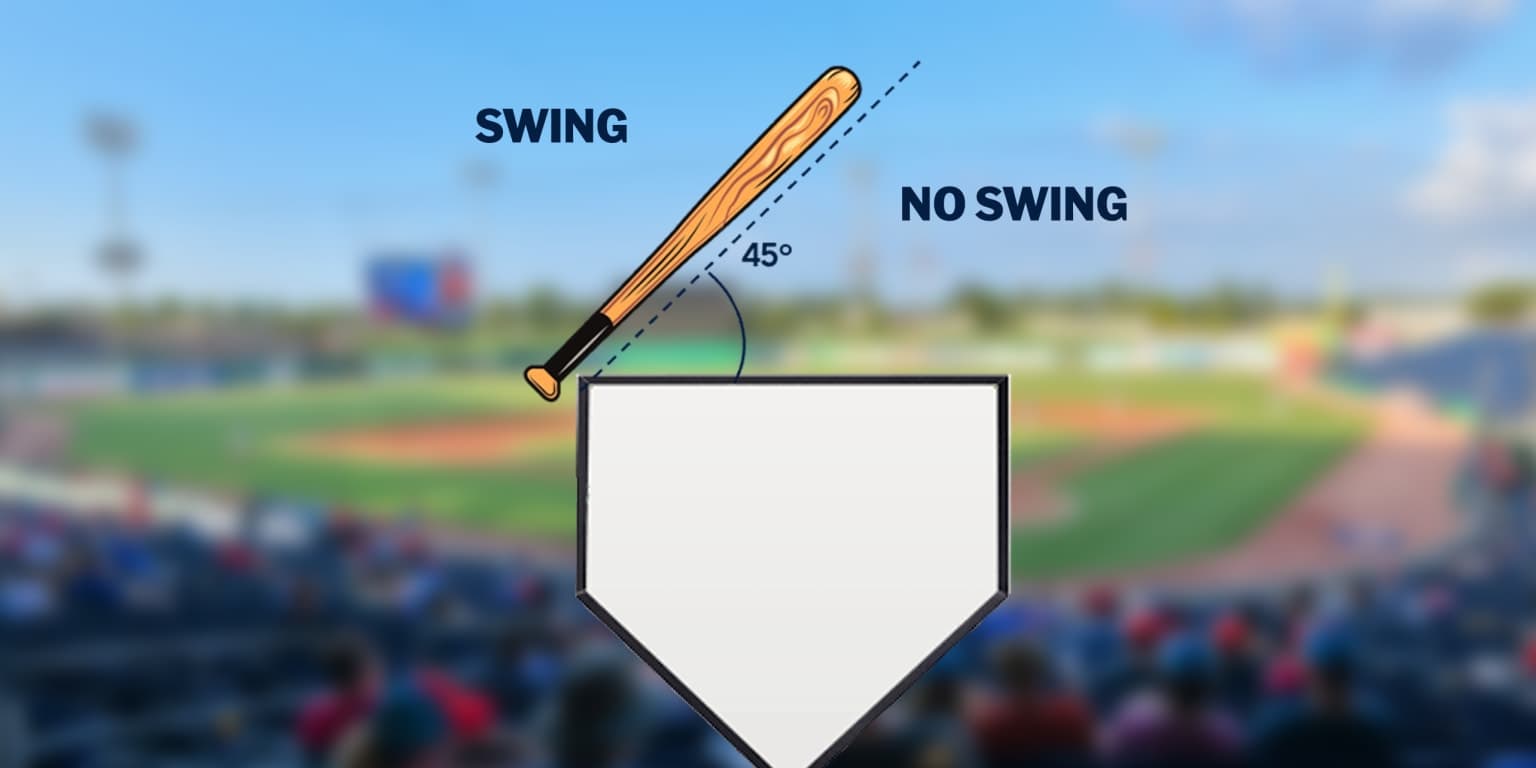
A close check-swing call can change everything in a three-run inning, and Triple-A is now the place where that judgment may no longer rest only on an umpire’s eye. Major League Baseball’s new check-swing challenge system is being tested as a real-time lever for managers, hitters and pitchers, with Hawk-Eye bat-tracking technology deciding whether the bat head crossed a 45-degree threshold relative to the bat handle and home plate.
The stakes are immediate. A hitter who thinks he held up can challenge and keep a plate appearance alive. A pitcher who gets what looks like a strike can lose it. A manager who burns a challenge on a borderline appeal has to manage the rest of the game with fewer chances, which matters even more in a league where every call can swing an affiliate’s night and, downstream, a major-league opportunity. In the Arizona Fall League test at Salt River Fields at Talking Stick, MLB first tried the concept on October 23, 2024, before expanding it to the Single-A Florida State League on May 20, 2025.
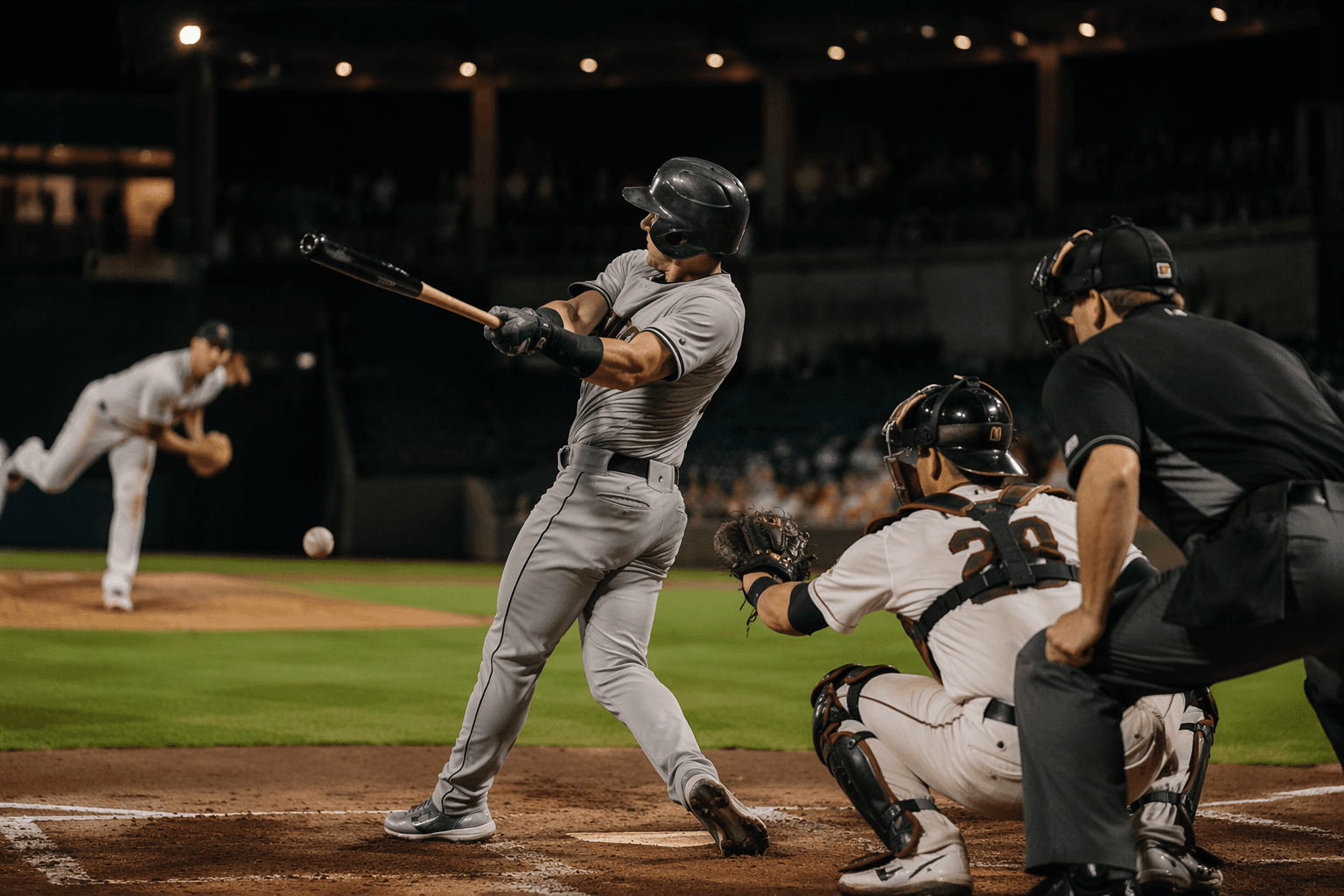
The Pacific Coast League is next. MLB said the PCL will begin implementing the Check Swing Challenge on May 5, 2026, continuing a broader effort to move baseball’s most subjective calls toward measured reviews. Under the experimental structure used in Arizona and Florida, each club started with two challenges per game, and a successful challenge was retained. In the Arizona Fall League, a club that had used both challenges by the ninth inning received one extra challenge for the final frame.
MLB says the change is not just about video clarity, but about game action. In its minor-league testing in 2025, the strikeout rate was more than 3% lower when the Check Swing Challenge was used, which meant more balls in play and more opportunities for offenses to keep innings alive. That fits MLB’s larger push to shape the pace and flow of the sport through minor-league experiments that have later reached the majors, including the pitch timer, the ABS challenge system and larger bases.
The rule itself is being tested because the Official Baseball Rules still offer no formal check-swing definition beyond a pitch being “struck at by the batter,” leaving the call largely to umpire discretion. Joe Martinez, MLB’s vice president of baseball operations, said the testing is an early step to determine whether the technology works for this purpose and how it can be woven into the game. For Triple-A, that makes the current trial more than a novelty: it is baseball’s live laboratory for a call that can decide a game before the next pitch is even thrown.
This article was produced by Prism’s automated news system from verified source data, official records, and press releases, then run through automated quality and moderation checks before publishing. The system is built and supervised by the people who set the standards it runs under. Read our full AI policy.
Did this article answer your question?