Triple-A: Two Leagues, 30 Clubs and Final Step Before MLB
Triple‑A is baseball’s final development level before MLB, split into the International League and the Pacific Coast League with 30 clubs aligned to major-league organizations.
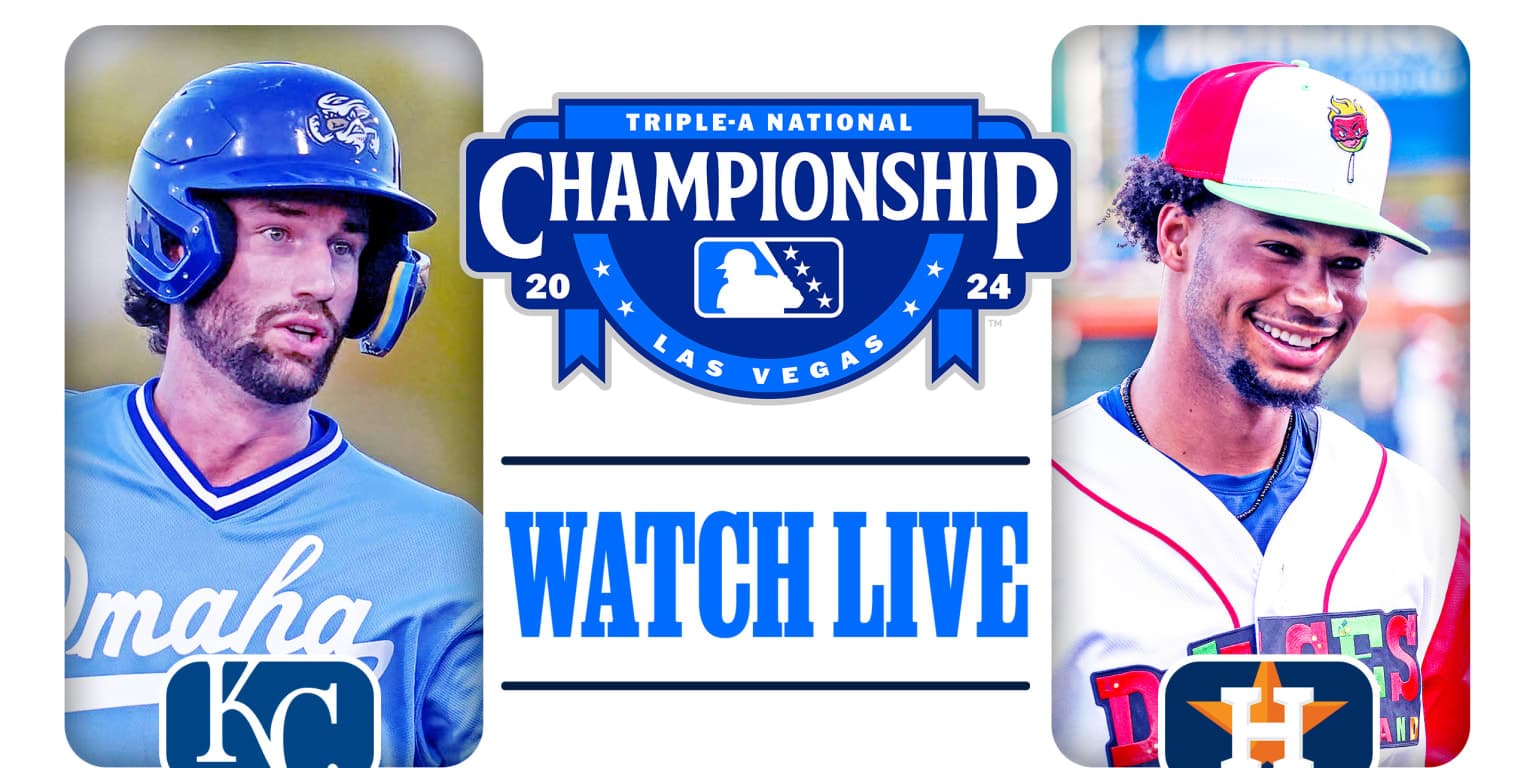
Triple‑A sits at the top of the minor-league ladder as the immediate bridge to the majors, and its structure matters to fans because it is where the next wave of big-league contributors hone their skills. The official overview is blunt: "Triple‑A is Minor League Baseball’s highest level and functions as the immediate stepping stone to MLB."
That classification is organized into two primary circuits. "The classification includes two primary leagues (the International League and the Pacific Coast League), with 30 Triple‑A clubs aligned to MLB organizations." Those 30 affiliations form the pipeline that supplies injury replacements, depth options and frequently the rookies who go on to change a major-league season.
On the field, Triple‑A competition is intentionally closer to major-league play than lower levels. A corporate definition echoes the same role: "Triple A is the highest level of minor league baseball, serving as the final stage for player development before promotion to Major League Baseball, offering high-level competition and skill refinement." For club officials and front offices, that means rosters mix top prospects with veteran depth pieces who provide experience and stability. For fans, a Triple‑A roster can deliver future stars and the veteran arms who keep a big-league bullpen stocked.
Business and cultural dynamics flow from that sports function. Triple‑A teams operate as local entertainment businesses that also serve as raw material suppliers for MLB. The alignment of 30 clubs to major-league organizations creates a formal pathway for player movement and gives clubs a vested interest in development and competitive readiness. The level’s proximity to MLB makes it a testing ground for final mechanical tuning, matchup experience and mental readiness under near-major-league conditions.

Outside of baseball facts, commercial players sometimes package definitions of the level alongside product pitches. One vendor even frames a definition of Triple A alongside marketing lines that claim to "Boost Your Takeoff & Estimating by 37% with AI," a reminder that third-party descriptions may mix factual explanation with promotional material.
For supporters and scouts, Triple‑A remains the best place to see who is on the cusp of a September call or a midseason recall. It matters to general managers because it is the last proving ground before service time and roster decisions in the majors. As clubs prepare for roster moves, fans tracking prospects should watch Triple‑A reports: performances there often presage promotions, role changes and the next wave of impactful big-league contributions.
This article was produced by Prism’s automated news system from verified source data, official records, and press releases, then run through automated quality and moderation checks before publishing. The system is built and supervised by the people who set the standards it runs under. Read our full AI policy.
Did this article answer your question?